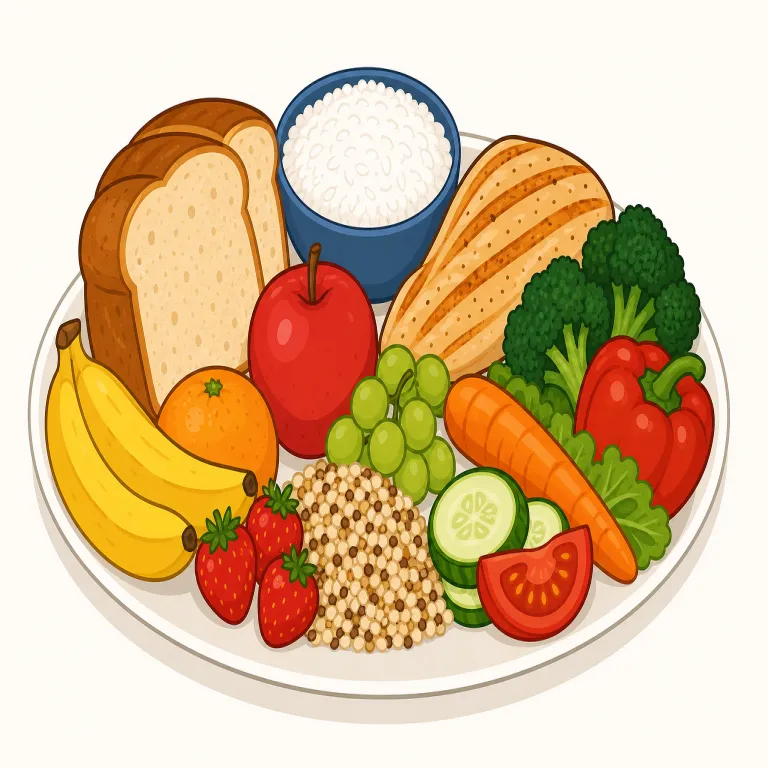
food
food は英検5級・英検7級レベルの英単語で、「食べ物」という意味があります。発音記号は /fuːd/ です。
食べ物
解説 Definition
食べ物とは、人間や動物が栄養を摂取するために口にする物質全般を指します。体のエネルギー源となり、健康を維持するために欠かせないものです。文化や地域によって様々な種類があり、社会的・文化的な意義も持ちます。
Food is anything that people or animals eat to live and get energy. It usually means meals, ingredients, or things you can cook and eat. It is a very common everyday word.
覚え方のコツ Memory Tip
food はまず feed と並べて覚えると定着しやすいです。feed は「食べさせる・えさを与える」、food は「食べるもの」で、形が近いのでセットで記憶できます。使う場面はとても広く、eat food, buy food, healthy food, fast food, food and drink など頻出表現ごと覚えるのが効率的です。meal は1回の食事、dish は料理1品なので、food はもっと広い「食べ物全般」。ふつうは不可算名詞で、a food は「ある種類の食品」という感覚だと整理すると混乱しにくくなります。
Connect `food` with `feed`: food is what people or animals eat, and to feed someone is to give them food. Both words carry the idea of nourishing and keeping a living thing alive. Remember the contrast too: `food` is the general substance, while a `meal` is one occasion when you eat.
例文
This food is good.
この食べ物はおいしいです。
We need food to live.
生きるためには食べ物が必要です。
We eat food at home.
私たちは家で食事をします。
えいたんごクイズでの正答率
この語をはじめて出題された 52人 のうち 52人 が正解しました(100%)。
えいたんごクイズの回答から集計した独自データです。1人につき最初に出題されたときの1回だけを数えており、復習や2回目以降の回答、「わからない」と時間切れは含みません。 集計時点は 2026年9月19日 です。
food の類義語・関連語
food を含む表現
句動詞・イディオムなど 2 件。クリックで各表現の詳細へ。
food の語源・成り立ち Etymology
foodは古英語 fōda にさかのぼり、さらにゲルマン祖語の「養う・育てる」語根に由来する。feed や fodder と同根で、food が単なる品物ではなく「命を養うもの」だったと分かると意味が立体的に見える。
"Food" comes from Old English "foda," from an older Germanic root meaning "to nourish" or "to feed." It is related to English words like "feed" and "fodder." The idea was not just an item to eat, but something that keeps life going and helps living things grow.
同じレベルの語彙をもっと
英検5級の一覧へ →外部辞書で調べる
この英単語をクイズで覚えよう