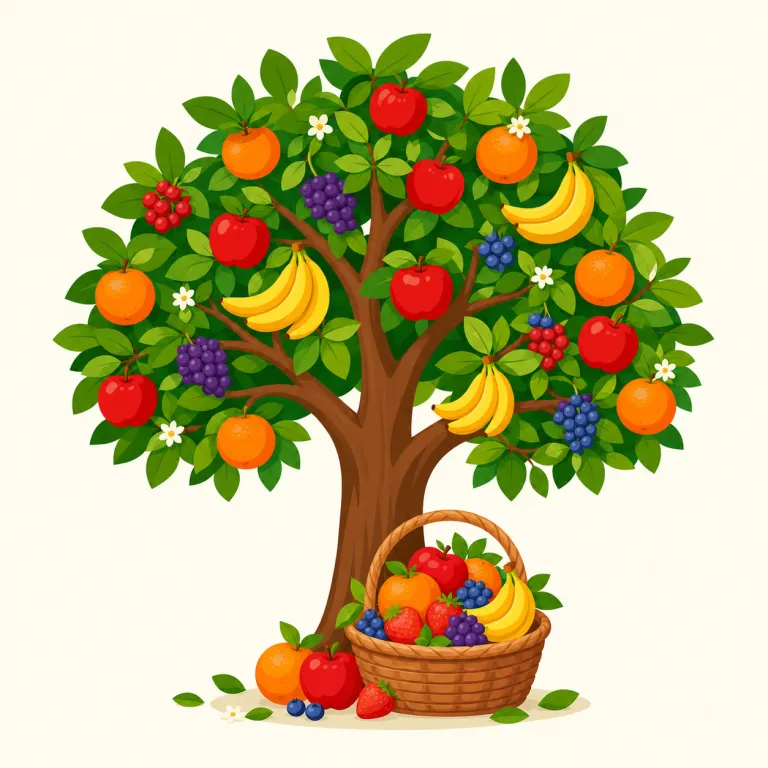
fruit
fruit は英検5級・英検6級レベルの英単語で、「果物、成果」という意味があります。発音記号は /ˈfruːt/ です。
意味一覧 (2件)
果物
解説 Definition
植物に実り、食べ物として扱われる果実を表す名詞です。りんご、バナナ、オレンジなどをまとめて指し、一般的な食事の文脈では数えない名詞として使われることがよくあります。
Fruit is the edible produce of plants, such as apples, bananas, and oranges. In ordinary food contexts, it is often used as an uncountable noun for fruit in general.
覚え方のコツ Memory Tip
apple、banana、orangeのように植物に実って食べるものをまとめた語だと覚えましょう。食事の話で some fruit や fresh fruit と言えば「果物」を表します。
Connect fruit with familiar foods such as apples, bananas, and oranges. Phrases like fresh fruit and some fruit point to the ordinary food sense.
例文
I eat fresh fruit every morning.
私は毎朝、新鮮な果物を食べます。
This fruit tastes sweet.
この果物は甘い味がします。
She put some fruit in the bowl.
彼女はボウルに果物を入れました。
えいたんごクイズでの正答率
この語をはじめて出題された 40人 のうち 40人 が正解しました(100%)。
えいたんごクイズの回答から集計した独自データです。1人につき最初に出題されたときの1回だけを数えており、復習や2回目以降の回答、「わからない」と時間切れは含みません。 集計時点は 2026年9月19日 です。
成果
(意味 2)
解説 Definition
努力、計画、活動などから生まれた成果や実りを比喩的に表す名詞です。the fruit of ... や bear fruit の形でよく使われ、何かが有益な結果を生むことを示します。
Fruit can figuratively mean a result or benefit produced by effort, planning, or activity. It commonly appears in expressions such as the fruit of something and bear fruit.
覚え方のコツ Memory Tip
果物が木の成長の末に実ることから、fruit は努力や活動が生んだ「成果」も表す。bear fruit は「実を結ぶ」から「成果を上げる」、the fruit of months of negotiation は「数か月の交渉の成果」。具体的な果物ではなく、時間をかけて得た有益な結果を思い浮かべる。
Picture effort growing like a plant and eventually producing fruit. This makes bear fruit easy to connect with achieving results, while the fruit of an effort means what that effort produced.
例文
Their years of research finally bore fruit.
彼らの長年の研究はついに成果を上げました。
The agreement was the fruit of months of negotiation.
その合意は数か月にわたる交渉の成果でした。
We are beginning to see the fruits of the reform.
私たちはその改革の成果を目にし始めています。
fruit の類義語・関連語
類義語
紛らわしい語
fruit の語源・成り立ち Etymology
fruit は古フランス語 fruit を経て、ラテン語 fructus「実り、産物」にさかのぼります。植物から得られる実を指す現在の基本義にも、「生じたもの」という古い発想が残っています。
Fruit entered English through Old French fruit and ultimately comes from Latin fructus, meaning “fruit” or “produce.” Its ordinary food sense retains the idea of something produced by a plant.
同じレベルの語彙をもっと
英検5級の一覧へ →外部辞書で調べる
この英単語をクイズで覚えよう