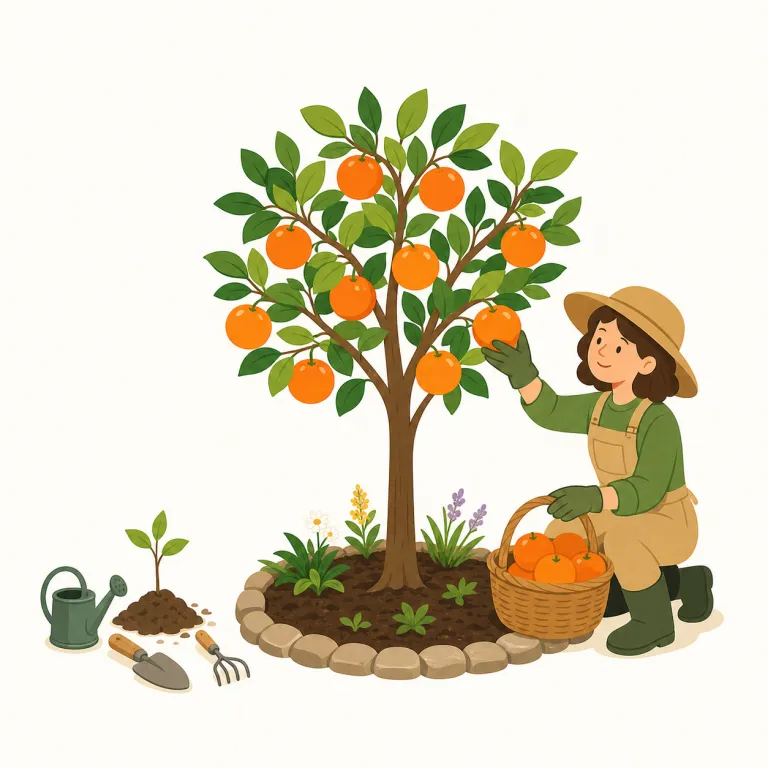
bear fruit
bear fruit は英検1級レベルの英熟語で、「成果が出る、実をつける」という意味があります。発音記号は /ˌbɛr ˈfruːt/ です。
意味一覧 (2件)
成果が出る
解説 Definition
努力や計画が成果を上げることを表すイディオムで、原義の果実が実るイメージからきている。特に長期間の準備や研究の結果が目に見える形になるときに使い、忍耐や継続を評価する文脈にぴったり。普通はプロジェクトや関係性の結果について言及するときに用いる。
If something bears fruit, it produces good results after time and effort. It is often used for plans, hard work, or investment that finally become successful. This expression is common in formal or thoughtful contexts.
覚え方のコツ Memory Tip
bear は「クマ」ではなく動詞の「運ぶ・支える・生み出す」を先に思い出すと入りやすい表現です。tree bears fruit で「木が実をつける」なので、efforts or plans bear fruit なら「努力や計画が実を結ぶ」。point は result よりも、時間をかけたものがようやく形になる感じ。research, negotiations, reforms など長期戦の名詞と相性がよく、bare fruit とつづりを混同しないことも記憶のフックになります。
Think of the verb "bear" in "a tree bears fruit," not the animal. First picture a tree slowly producing fruit, then connect that image to effort or plans finally producing results. It often fits long processes like research, talks, or reforms. Also remember the spelling: "bear fruit," not "bare fruit."
例文
Their years of research are starting to bear fruit with promising data.
長年の研究が、有望なデータという形で実を結び始めている。
Efforts to improve the workflow should bear fruit by the next quarter.
ワークフロー改善の取り組みは次の四半期には成果が出るはずだ。
Her patient efforts will eventually bear fruit.
彼女の粘り強い努力はいずれ実を結ぶだろう。
実をつける
(意味 2)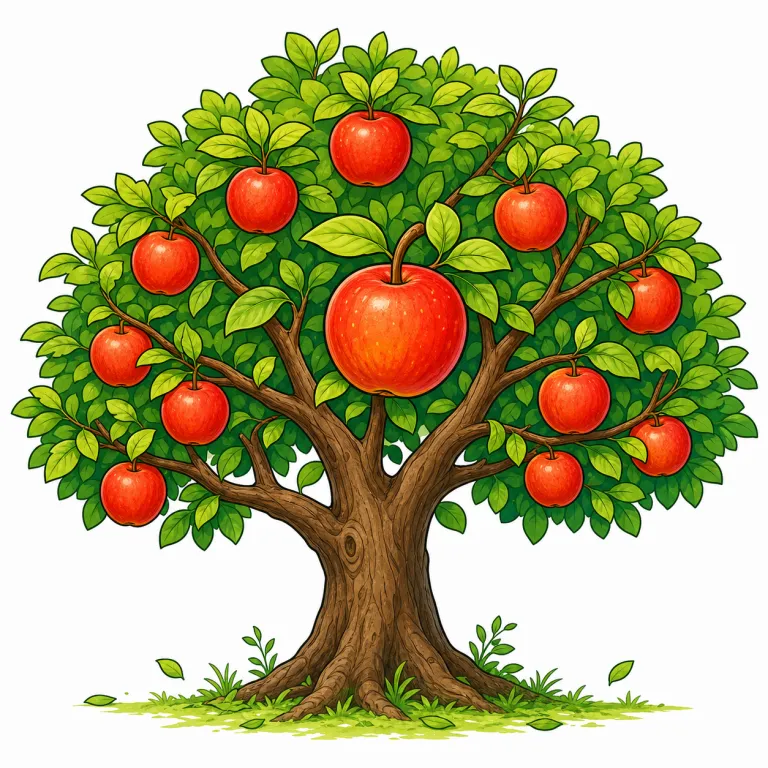
解説 Definition
植物や木が実際に果実をつけることを表す表現です。果樹や野菜などが成長して収穫できる実をならせる場面で使われ、農業や園芸の説明でもよく用いられます。比喩的に努力の成果が出るという意味ではなく、文字どおりの生育を述べる言い方です。
This describes a plant or tree producing actual fruit that can be harvested. It refers to literal plant growth, not to efforts producing successful results.
覚え方のコツ Memory Tip
bear は「クマ」ではなく動詞の「運ぶ・支える・生み出す」を先に思い出すと入りやすい表現です。tree bears fruit で文字どおり「木が果実を生む・実をつける」。努力や計画が成果を出す比喩もありますが、この語義ではリンゴの木やレモンの木が実際に実をならせる場面が中心です。bare fruit とつづると「裸の fruit」になってしまうので、bear=生むで覚えると残ります。
Here, bear is a verb meaning to produce, not the animal. Picture a tree producing apples, and remember that bare fruit would use the wrong spelling.
例文
The apple trees in our yard bear fruit every autumn.
うちの庭のリンゴの木は毎年秋に実を結ぶ。
These young lemon trees will not bear fruit this year.
この若いレモンの木は今年は実を結ばない。
With enough sunlight, the tomato plants should bear fruit soon.
十分な日光があれば、そのトマトの苗はまもなく実を結ぶはずだ。
bear fruit の類義語・関連語
対義語
bear fruit の語源・成り立ち Etymology
bearは古英語beran(運ぶ、生む)、fruitはラテン語fructus(果実、収穫)が仏語経由で英語に入った。木が実を結ぶ様子から「努力が成果を生む」という比喩表現になった。関連語:fertile(肥沃な)、fructose(果糖)。
The verb "bear" comes from Old English "beran," meaning "to carry" or "to produce." "Fruit" came into English through Old French from Latin "fructus," meaning "fruit" or "harvest." The phrase first referred to trees producing fruit, then widened into a metaphor for effort producing results. Related English words from the same Latin root include "fruition" and "fructose."
同じレベルの語彙をもっと
英検1級の一覧へ →外部辞書で調べる
この英熟語をクイズで覚えよう