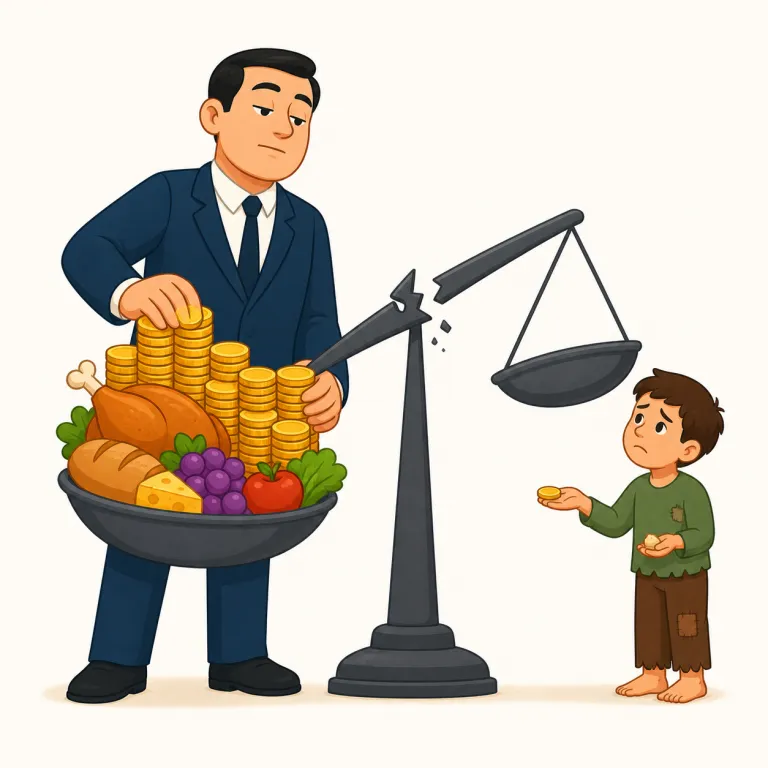
不当な、非道な
解説 Definition
道徳的に到底許されないほど不当で、良心の欠如を強く感じさせる様子を表す形容詞。価格、契約、扱いなどが常識外れにひどく、公平さや人道性を著しく欠いていると非難するときに使う強い語である。
Unconscionable describes something that is extremely unfair, cruel, or morally unacceptable. It is often used about behavior, prices, demands, or actions that go far beyond what most people think is reasonable. The word is strong and usually shows clear moral criticism.
覚え方のコツ Memory Tip
まず conscience「良心」を軸に覚えるとよい。with a clear conscience(後ろめたさなく)と言える状態の反対で、un- が付いて「良心では到底OKできない」感覚になる。単なる unfair よりかなり強く、法外な値段・契約や人道的にひどい扱いを非難するときに使う語。unconscious と形が少し似るが、こちらは conscious 系でも意味の核は「意識」より「良心」。an unconscionable price / delay / act の形で固めると残りやすい。
The key inside this word is `conscience`, meaning your moral sense. Add `un-`, and it becomes something your conscience cannot accept. That is why `an unconscionable price` or `an unconscionable act` sounds much stronger than just `unfair`.
例文
The unconscionable contract exploited vulnerable workers.
その不当な契約は弱い立場の労働者を搾取した。
It was unconscionable to charge such high prices for essential goods.
生活必需品にそのような高値をつけるのは非道だった。
The unconscionable treatment of prisoners sparked international outrage.
受刑者への非道な扱いは国際的な怒りを招いた。
unconscionable の類義語・関連語
unconscionable の語源・成り立ち Etymology
un-「否定」+conscience+-ableから成る語です。conscienceは古フランス語経由でラテン語conscientia「内に知っていること」にさかのぼり、良心が知っていても許せないほどひどい、つまり「良心的でない」という意味になります。関連語はconscious、science。
Unconscionable is built from un-, conscience, and -able. Conscience comes through Old French from Latin conscientia, meaning "knowledge within oneself" or "inner awareness," from the same root as conscious and science. The word developed the sense of something so wrong that it cannot be accepted by a person's conscience.
同じレベルの語彙をもっと
外部辞書で調べる
この英単語をクイズで覚えよう