
意味一覧 (3件)
味
解説 Definition
食べ物や飲み物が口に入ったときに感じる風味やおいしさを表す名詞です。甘い、苦い、辛いのような具体的な味の種類を述べるときや、料理全体の味わいを評価するときに使われます。単に舌で感じる刺激だけでなく、料理や飲み物の特徴そのものを指すことも多いです。
The quality of food or drink that you experience in your mouth, such as sweetness or bitterness. This noun can also describe the overall flavor of a dish or drink.
覚え方のコツ Memory Tip
taste は、食べ物や飲み物を口にしたときに感じる「味・風味」です。舌に触れた一瞬だけでなく、料理全体が持つ味わいも指します。the taste of fresh bread のように taste of+食品で「〜の味」、have a rich/sweet/bitter taste で「濃厚な/甘い/苦い味がする」と組み立てます。flavor が香りも含む風味を表しやすいのに対し、まず taste は口で感じる味を中心に押さえましょう。薬を飲んだ後に bitter taste が残る場面も記憶に有効です。
Imagine the bitterness that remains in your mouth after taking medicine, and connect it with a bitter taste. Use the taste of followed by a food, or describe it with phrases such as a sweet taste and a rich taste.
例文
The soup has a rich taste.
そのスープはこくのある味がする。
I like the taste of fresh bread.
私は焼きたてのパンの味が好きです。
The medicine left a bitter taste in my mouth.
その薬を飲むと、口の中に苦い味が残った。
好み、趣味
(意味 2)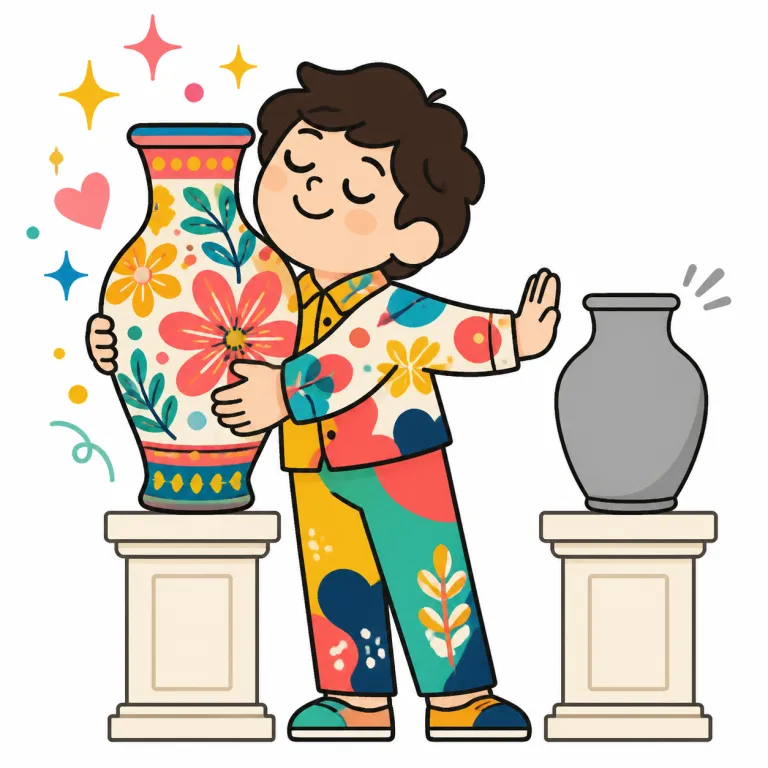
解説 Definition
名詞のtasteは、食べ物の味そのものではなく、音楽・服装・芸術・デザインなどに対する個人の好みや趣味、物事を良いと感じる感覚を表すことがある。洗練されている、趣味が合うといった言い方にもつながる語で、価値判断やセンスのニュアンスを含む。
Taste means a person's personal preference in things such as food, clothes, music, art, or style. It is commonly used when talking about what someone likes or chooses. It can also suggest an ability to recognize good quality or style.
覚え方のコツ Memory Tip
まず基本の「味」を起点にすると覚えやすい語です。食べ物を味わうと、自然に『何が好きか・どう感じるか』が出るので、そこから noun の taste は「好み・趣味・センス」に広がります。like が単に好き嫌いを言うのに対し、taste は音楽・服・デザインなどへの選び方や感覚まで含みやすいのが特徴。have similar taste in music, show good taste, expensive taste などの形で覚えると、「個人の好み」の語感が定着します。食べ物の味そのものだけで固定しないのがポイントです。
When `taste` means personal style, it often comes with `in`: `taste in music`, `taste in clothes`. That helps you remember it is not just liking something, but having a sense of what seems good or attractive. Useful fixed phrases are `good taste` and `expensive taste`.
例文
Her taste in music leans toward classical and jazz.
彼女の音楽の好みは、クラシックやジャズ寄りだ。
The interior design reflects the owner's sophisticated taste.
そのインテリアデザインには、持ち主の洗練された趣味が表れている。
Everyone has different tastes, so it is hard to please everyone at once.
人それぞれ好みが違うので、全員を一度に満足させるのは難しい。
えいたんごクイズでの正答率
この語をはじめて出題された 39人 のうち 38人 が正解しました(97%)。
えいたんごクイズの回答から集計した独自データです。1人につき最初に出題されたときの1回だけを数えており、復習や2回目以降の回答、「わからない」と時間切れは含みません。 集計時点は 2026年9月19日 です。
味覚
(意味 3)
解説 Definition
舌で甘さや苦さなどを感じ取る感覚そのもの、またはその能力を表す名詞です。五感の一つとして話すときや、病気・体調の変化で味が分かりにくいことを述べる文脈でよく使われます。食べ物の味そのものではなく、それを感じる側の感覚に重点があります。
The sense that allows you to recognize sweetness, bitterness, and other flavors with your tongue. It is one of the five senses and may be affected by illness.
覚え方のコツ Memory Tip
taste はここでは食べ物の「味」そのものではなく、それを舌で感じ取る「味覚」として覚えます。taste and smell, lose your sense of taste, affect taste のように、五感や体調の話でよく出ます。good taste in music の「趣味・センス」とは違い、こちらは好き嫌いの判断ではなく、甘い・苦い・酸っぱいなどを感じる能力のこと。sense of taste とセットにすると、感覚としての語義がはっきり定着します。
Learn taste in the phrase 'sense of taste' to connect it with your tongue's ability to recognize flavors. Picture identifying something sweet or bitter, and remember expressions such as 'lose your sense of taste' and 'affect taste'.
例文
A bad cold can affect taste.
ひどい風邪は味覚に影響することがある。
Taste and smell work closely together.
味覚と嗅覚は密接に関係している。
The patient slowly regained his sense of taste.
その患者は少しずつ味覚を取り戻した。
taste の類義語・関連語
taste の語源・成り立ち Etymology
taste は古フランス語 taster「触れて確かめる・味わう」から入り、さらに俗ラテン語 *tastare にさかのぼる。もとは「舌で試す」より広く「感触で確かめる」感覚で、そこから「味」や「好み」の意味へ広がった。関連語は tasteful、distaste。
Taste comes from Old French taster, meaning to touch, test, or sample. The source traces it further to the reconstructed Vulgar Latin form *tastare, connecting the broader idea of testing by touch with experiencing flavor.
同じレベルの語彙をもっと
外部辞書で調べる
この英単語をクイズで覚えよう