意味一覧 (2件)
味付けする
/ noun 名詞 風味、味
解説 Definition
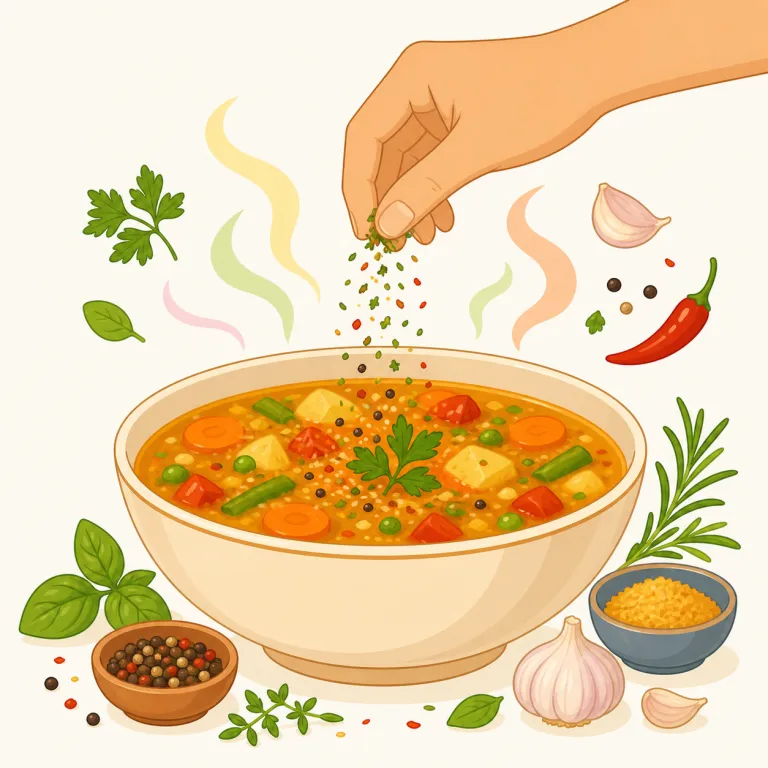
flavor は動詞では、食べ物や飲み物に味や香りを加えることを意味します。ハーブ、香辛料、調味料などを使って、料理に風味をつける場面で使います。名詞では「風味」の意味もありますが、ここでは「味付けする」という動作が主軸です。
Flavor is the particular taste of a food or drink. It can also mean a special quality or style that gives something its own character.
覚え方のコツ Memory Tip
flavor は名詞の「風味」だけでなく、動詞では「風味をつける」と覚えると例文に合います。She flavored the soup with garlic. なら、にんにくを加えてスープの味や香りを作ったということ。taste が舌の味に寄るのに対し、flavor は香りまで含むので、flavor a dish with herbs は「ハーブで料理に味付けする」。名詞の flavor=風味と切り分けつつ、「風味を与える動作」が動詞だと押さえると残りやすいです。米式は flavor、英式は flavour です。
Think of `flavor` as adding a special taste, often in the pattern `flavor A with B`. For example, you flavor soup with garlic or tea with lemon. Compared with `season`, `flavor` focuses more on giving a particular taste character.
例文
She flavored the soup with garlic and herbs.
彼女はニンニクとハーブでスープに味付けしました。
The chef skillfully flavored the dish to perfection.
シェフは完璧に料理に味付けしました。
You can flavor the rice with soy sauce and sesame oil.
醤油とごま油でご飯に味付けできます。
えいたんごクイズでの正答率
この語をはじめて出題された 34人 のうち 34人 が正解しました(100%)。
えいたんごクイズの回答から集計した独自データです。1人につき最初に出題されたときの1回だけを数えており、復習や2回目以降の回答、「わからない」と時間切れは含みません。 集計時点は 2026年9月19日 です。
特色、趣
(意味 2)
解説 Definition
物事や作品、場面などに感じられる独特の特色や趣を表す名詞。食べ物の味ではなく、雰囲気や性質にそのものらしさがあることを述べるときに使う。文化、文章、企画、地域性の話題でよく現れる。
A distinctive character or atmosphere that makes a culture, place, piece of writing, or plan feel unique. This noun refers to a recognizable quality or style, not the taste of food.
覚え方のコツ Memory Tip
flavor は食べ物だけでなく「そのものらしい味わい」と覚えると定着しやすいです。taste が舌で感じる味に寄りやすいのに対し、flavor は雰囲気や性質にも広がります。local flavor なら「土地ならではの特色」、humorous flavor なら「ユーモラスな趣」。料理の coffee flavor, vanilla flavor と同じく、抽象的な場面でも“感じ取れる持ち味”を表す語です。食べ物の風味に限定せず、文章・文化・企画の個性まで含むと押さえると忘れにくい。
Remember flavor as the figurative “taste” that gives something its individual character. In local flavor or humorous flavor, it describes a quality you can sense even though you are not tasting food.
例文
The festival has a local flavor.
その祭りには土地ならではの特色がある。
Her writing has a humorous flavor.
彼女の文章にはユーモラスな趣がある。
The new design adds a modern flavor to the room.
その新しいデザインによって、部屋がモダンな雰囲気になる。
flavor の類義語・関連語
類義語
紛らわしい語
flavor の語源・成り立ち Etymology
flavor は古フランス語 flaor「香り」から。さらに俗ラテン語を経て、ラテン語 flare「吹く」に関係するとされます。元は鼻に届く香りの感覚で、そこから食べ物の味や香りを表す「風味」へ広がり、動詞ではその風味を食べ物に加える「味付けする」という意味になった。
Flavor came into English from Old French flaor, meaning smell or scent. It goes back to a Latin root connected with blowing or breath, also seen in words like inflate. The earliest idea was a smell carried to the nose, as if blown toward someone. Later, the meaning widened from scent to the full sense of taste and aroma together.
同じレベルの語彙をもっと
外部辞書で調べる
この英単語をクイズで覚えよう
この意味を学べる単語帳
flavor の収録語義を確認して、まとめて学べる単語帳を選べます。
-
収録語義:味付けする
作成者:金子竜平