正常に作動しない、異常な動きをする
verb 動詞機械・ソフトウェア・装置などが期待どおりに動かず、不安定または異常な挙動を示すことを表します。会話的な擬人的表現で、故障が確定した場合だけでなく、一時的に調子がおかしい場合にも使われます。
社会的な行儀や礼儀に反する悪い振る舞いをすることを指します。不作法または不礼儀な行動を表します。
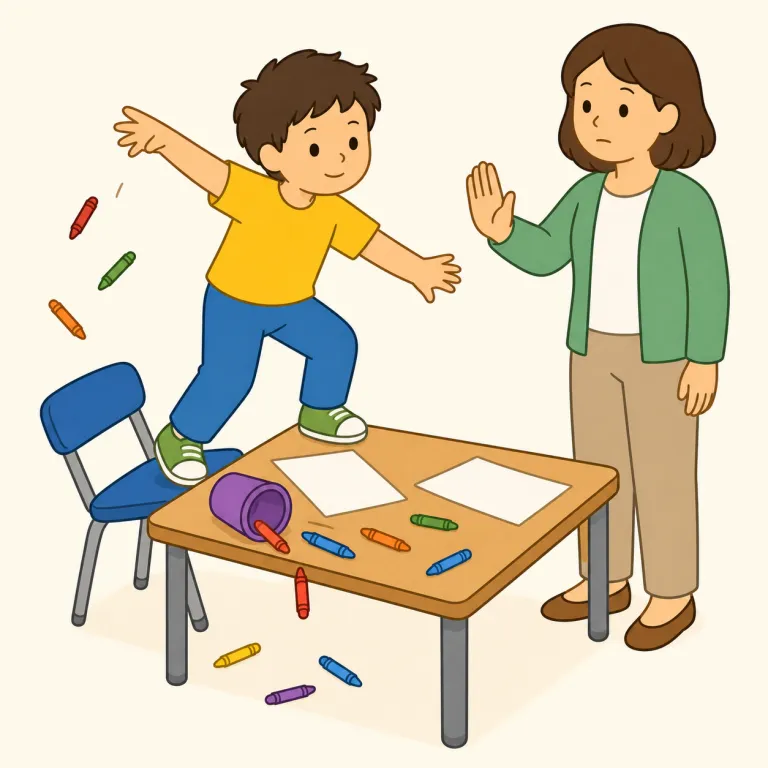
To misbehave means to act badly or break rules, especially in a way that is not socially acceptable. It is often used about children, but it can describe anyone. The word suggests poor behavior rather than serious crime.
behave を知っていれば覚えやすい語です。behave は「きちんと振る舞う」で、親が子どもに Behave yourself. と言う形が定番。そこに mis-(悪く・間違って)が付くと「行儀よくできない」= misbehave。犯罪のような重い wrongdoing ではなく、子ども・生徒・ペットが場にふさわしくなく騒ぐ、不作法に振る舞う場面でよく使います。misunderstand, misjudge などと同じく、mis- は「ズレる」と覚えると定着します。
If you know `behave`, this word is easy: add `mis-`, the common prefix for something wrong or off. The same pattern appears in `misunderstand` and `misjudge`. Think of a child, student, or pet not acting properly, and the form will stick.
The children started to misbehave during the class.
子どもたちは授業中に行儀悪く振る舞い始めました。
If you misbehave, you will be punished.
行儀の悪いことをしたら、罰を受けますよ。
The student was warned not to misbehave in the cafeteria.
その学生はカフェテリアで行儀悪く振る舞わないよう警告されました。
文脈によって、次の意味でも使われます。
機械・ソフトウェア・装置などが期待どおりに動かず、不安定または異常な挙動を示すことを表します。会話的な擬人的表現で、故障が確定した場合だけでなく、一時的に調子がおかしい場合にも使われます。
mis-は古英語・ゲルマン系の「悪く、道を外れて」、behaveはbe-+haveから発達した英語で「身を処する」。直訳は「ふるまいを誤る」で、そこから「行儀悪くする」の意味になったと分かります。関連語はmisbehavior, behavior。
Misbehave combines mis-, meaning badly or wrongly, with behave. Behave developed within English from be- and have, with the sense of conducting oneself. So the word originally meant to carry oneself in a wrong way, and from there it came to mean acting badly. Related words include behavior and misbehavior.
この英単語をクイズで覚えよう