behave
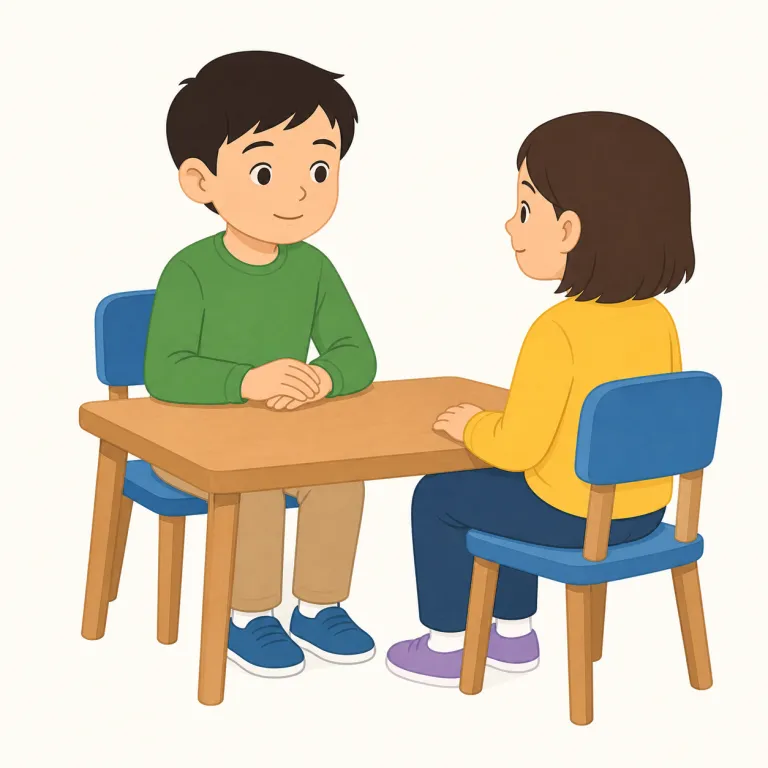
behave は英検準2級・TOEIC 730・TOEFL 60・IELTS 5.5レベルの英単語で、「振る舞う」という意味があります。発音記号は /bɪˈheɪv/ です。
振る舞う
解説 Definition
特定の方法で行動する、または特定の様子や態度を示すことを意味します。人が社会的な状況や環境に対してどのように振る舞うかを表します。
To behave means to act in a particular way. It is often used when talking about how people act in social situations, especially whether their actions are acceptable or polite. The word can describe both good and bad conduct.
覚え方のコツ Memory Tip
behave は behavior(行動)や well-behaved(行儀のよい)とセットで覚えると定着しやすい語です。中心イメージは「その場でどういう態度を見せるか」。act が一回の行動を指しやすいのに対し、behave は人の普段のふるまい・マナーまで含みます。Parents want children to behave. や behave oneself(行儀よくする)が頻出。misbehave が「行儀悪くふるまう」なので、対で覚えると混同しません。
Learn `behave` with `behavior` and `well-behaved`. The word is about how a person shows their attitude in a situation, especially in a social or polite way. That is why `behave yourself` is such a common phrase. It also helps to pair it with `misbehave`, which gives you the opposite pattern.
例文
Children should behave politely when visiting their grandparents.
子供たちは祖父母を訪ねるとき、礼儀正しく振る舞うべきです。
Please behave well at your friend's house.
友達の家では行儀よく振る舞ってください。
She always behaves well at school.
彼女は学校でいつも行儀よく振る舞います。
えいたんごクイズでの正答率
この語をはじめて出題された 44人 のうち 34人 が正解しました(77%)。
えいたんごクイズの回答から集計した独自データです。1人につき最初に出題されたときの1回だけを数えており、復習や2回目以降の回答、「わからない」と時間切れは含みません。 集計時点は 2026年9月19日 です。
behave の類義語・関連語
behave の語源・成り立ち Etymology
中英語 behaven で、接頭辞 be-(完全に)+ have(持つ・保つ)から成る。「自分自身をある状態に保つ」が原義で、そこから「振る舞う・行儀よくする」の意味に発展した。関連語に behavior(行動)や have(持つ)がある。
Behave comes from Middle English behaven, built from the prefix be- and have. The original sense was "to hold or carry oneself in a certain way." From there it developed into the general meaning "to act" or "conduct oneself," and often "to act properly." A related word is behavior.
同じレベルの語彙をもっと
英検準2級の一覧へ →外部辞書で調べる
この英単語をクイズで覚えよう