
verge
verge は英検準1級・TOEIC 990・TOEFL 100・IELTS 7.5レベルの英単語で、「瀬戸際、寸前、縁、端」という意味があります。発音記号は /ˈvɚdʒ/ です。
意味一覧 (2件)
瀬戸際、寸前
解説 Definition
verge は、何かが起こる直前のぎりぎりの状態や、変化・失敗・成功などに一歩で達しそうな瀬戸際を表す語です。特に on the verge of ... の形でよく使われ、「まさに...しそうだ」「...の寸前だ」という切迫した状況を示します。
The verge is the point just before something happens. It is most often used in the phrase "on the verge of," meaning very close to a new action, change, or result. It can describe both positive and negative situations.
覚え方のコツ Memory Tip
verge は単体で覚えるより、まず on the verge of ... をかたまりで覚えると定着しやすいです。「今にも〜しそう」「〜の寸前」という意味で、変化や危機の直前に立っている場面でよく出ます。edge が「端」なら、verge はそこから一歩で事態が変わる“瀬戸際”寄り。brink も近いですが、brink of collapse のように危険な文脈がやや多め。成功にも失敗にも使えるのが verge の便利さです。
The best way to remember `verge` is as part of the chunk `on the verge of ...`. That whole phrase means something is just about to happen. Think of it like standing at the edge before a change.
例文
Our team was on the verge of losing.
私たちのチームは負ける寸前でした。
She was on the verge of tears after the meeting.
彼女は会議のあと、泣き出す寸前だった。
She is on the verge of success.
彼女は成功を目前にしています。
えいたんごクイズでの正答率
この語をはじめて出題された 42人 のうち 25人 が正解しました(60%)。
えいたんごクイズの回答から集計した独自データです。1人につき最初に出題されたときの1回だけを数えており、復習や2回目以降の回答、「わからない」と時間切れは含みません。 集計時点は 2026年9月19日 です。
縁、端
(意味 2)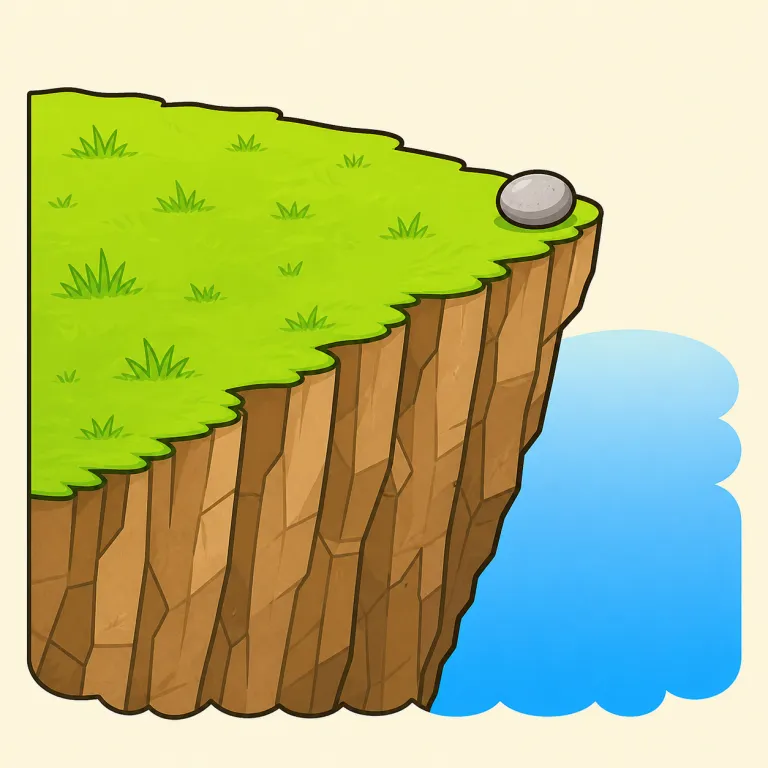
解説 Definition
道路や芝生、森、畑などの境目にある細い端の部分を指す名詞です。人工物にも自然物にも使え、何かの外側に沿って続くへりやふちという具体的な位置を表します。英国英語では road verge のように道路脇の草地を指すこともあります。
A narrow strip along the edge of a road, field, or similar area. In British English, it often refers to the grass beside a road.
覚え方のコツ Memory Tip
verge は on the verge of ... の「寸前」より先に、まず道路や芝生の“細い端”を思い浮かべると定着しやすいです。road verge は道の本体ではなく、その横に沿って続く草地やへり。edge が広く「端」なら、verge は道・畑・森などの境目にある細長いふち寄りです。そこに立つと一歩先で別の場所に入るので、抽象的な「瀬戸際」にも広がりますが、この語義では具体的な道端・縁を押さえるのが中心です。
Picture a thin strip of grass running beside a road. Remember road verge as the narrow outer strip where the road meets the surrounding land.
例文
Wildflowers grew along the verge of the road.
道路の端に沿って野の花が咲いていた。
He sat on the grassy verge and watched the cars pass.
彼は草の生えた道端に座って車が通るのを見ていた。
The path runs along the verge of the field.
その小道は畑の端に沿って続いている。
verge の類義語・関連語
類義語
対義語
紛らわしい語
verge の語源・成り立ち Etymology
verge は古フランス語 verge、さらにラテン語 virga「棒・細枝」に由来します。もとは境界を示す棒のイメージで、verger や virgate も同根。だから『verge of ...』は、何かの端や寸前に立つ感じが出ます。
Verge came into English through Old French from Latin virga, meaning "rod" or "slender branch." A rod could mark a boundary, so the word came to suggest an edge or limit. That is why verge later developed the sense of being at the border or very near to something.
同じレベルの語彙をもっと
英検準1級の一覧へ →外部辞書で調べる
この英単語をクイズで覚えよう