verging
verging はTOEIC 990・TOEFL 100・IELTS 7.5レベルの英単語で、「〜に近づいている、ほとんど〜だ」という意味があります。発音記号は /ˈvɝdʒɪŋ/ です。
〜に近づいている、ほとんど〜だ
解説 Definition
ある状態や性質に非常に近づき、「ほとんど〜だ」「〜すれすれだ」と言えることを表します。完全にその状態だとは言い切らず、境目に近いことを示します。
Verging means coming very close to a particular state or quality. It is most often used in the phrase verging on to show that something is almost becoming something else, often in a negative or extreme way.
使い方 Usage
- be verging on +名詞・形容詞の形で使います。verging は verge の ing 形で、on の後に近づいている状態を置きます。 Use be verging on followed by a noun or adjective. Verging is the -ing form of verge; the word after on names the state or quality being approached.
- rude、absurd、madness など、否定的な状態や極端な評価と結びつくことがよくあります。 It often appears with negative states or extreme judgments, such as rude, absurd, or madness.
覚え方のコツ Memory Tip
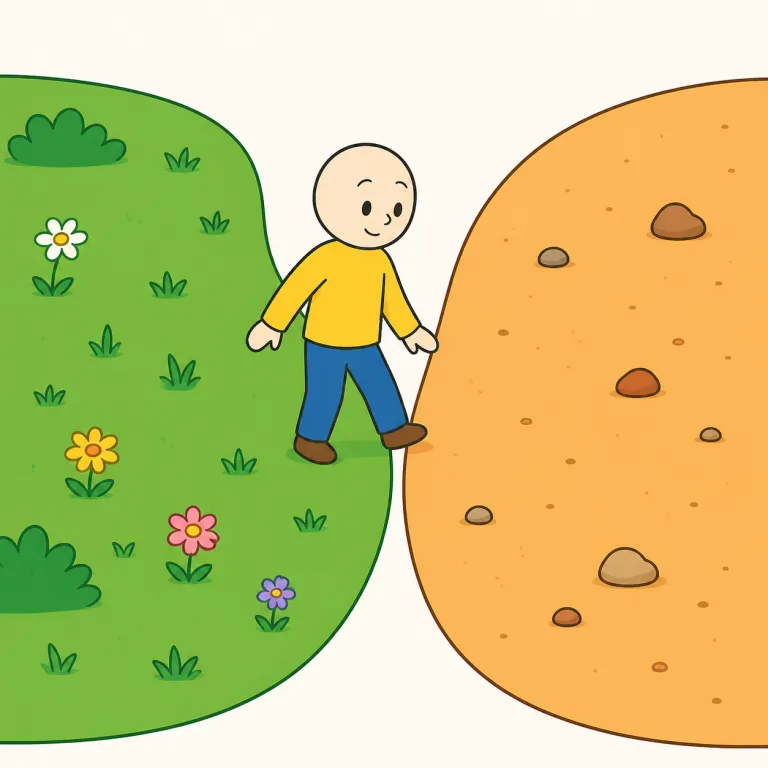
verge「境界・端」まで来ているイメージで、verging on ... をひとまとまりで覚えましょう。on the verge of ...「〜寸前」と結びつけると、境目を越える一歩手前という感覚が残ります。
Learn verging on as a chunk and picture reaching an edge without quite crossing it. Connect it with on the verge of to remember the sense of being just short of a state.
例文
His tone was verging on rude.
彼の口調は、ほとんど失礼と言えるほどだった。
The comedy sketch was so absurd it was verging on the surreal.
そのコメディーの寸劇はあまりに不条理で、ほとんどシュールな域に達していた。
verging の類義語・関連語
派生語
verging の語源・成り立ち Etymology
verging は verge「近づく・瀬戸際にある」の現在分詞で、ラテン語 vergere「曲がる・傾く・向かう」から来ています。もとは「ある方向へ傾いていく」で、そこから「〜に近づく」「今にも〜しそうだ」という意味になりました。関連語に converge、diverge があります。
Verging is the present form of verge, from Latin vergere, meaning "to bend," "lean," or "turn toward." The older image is of something inclining in a certain direction. From that, English developed the sense of "moving toward" or "coming close to" a state or limit. Related words include converge and diverge.
同じレベルの語彙をもっと
TOEIC 990の一覧へ →外部辞書で調べる
この英単語をクイズで覚えよう