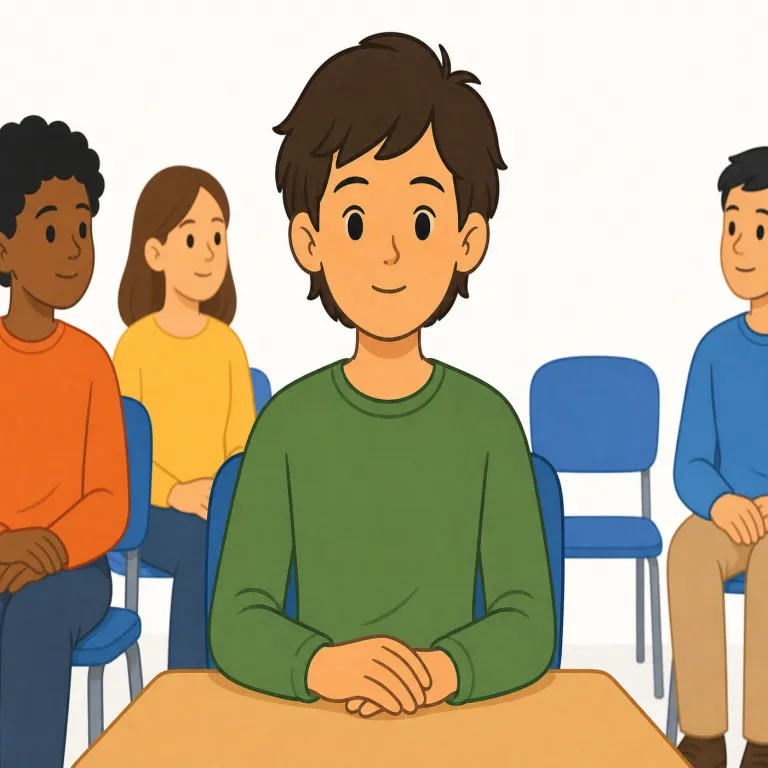
present
present は英検6級レベルの英単語で、「出席している、贈り物、提示する、現在の」という意味があります。発音記号は /ˈprɛzənt/ です。
出席している
解説 Definition
人が会議・授業・式などに実際に来て、その場にいる状態を表す形容詞です。点呼や名簿確認でよく使われ、absent の反対として「欠席していない」という意味で使われます。人について使うのが基本です。
This adjective describes a person who is physically at a meeting, class, ceremony, or other event. It means that the person is attending rather than absent.
覚え方のコツ Memory Tip
present は「目の前にいる」と考えると、「出席している」が覚えやすいです。点呼で Present! と答える場面を思い浮かべると、欠席 absent の反対として、その場に実際にいる感覚が固定されます。past / present / future の present は「現在」ですが、All students were present. のように人が主語なら「今」よりも「その場にいる、出席している」と読むのが自然です。
Imagine answering “Present!” when your name is called during attendance. When this adjective describes people at an event, it means they are there and is the opposite of absent.
例文
All students were present at the ceremony.
生徒は全員式に出席していた。
Is everyone present today?
今日は全員そろっていますか。
Only two members were present at the meeting.
会議に出席していたのは二人だけだった。
贈り物
(意味 2)
解説 Definition
人にあげる品物や金品を指す名詞です。誕生日や祝い事で渡すものを広く言えますが、日常会話では gift よりややくだけた語として使われることもあります。子ども向けの基本語でもあります。
A thing or sum of money that you give to another person. It is often given for a birthday, holiday, or other special occasion.
覚え方のコツ Memory Tip
present は「相手の前に差し出すもの」と考えると、名詞の「贈り物」が残りやすいです。birthday present は、誕生日に相手の目の前へ持っていく品物というイメージ。形容詞の present「現在の」と同形ですが、a present, birthday present, present for my sister のように冠詞や for がついて品物を指していれば「贈り物」と判断できます。
Think of a present as something placed in front of another person for them to receive. Phrases such as "a birthday present" and "a present for my sister" show that it means a gift rather than the adjective meaning "current."
例文
Thank you for the birthday present.
誕生日の贈り物をありがとう。
I bought a present for my sister.
妹への贈り物を買った。
This watch was a present from my grandfather.
この時計は祖父からの贈り物だった。
えいたんごクイズでの正答率
この語をはじめて出題された 42人 のうち 42人 が正解しました(100%)。
えいたんごクイズの回答から集計した独自データです。1人につき最初に出題されたときの1回だけを数えており、復習や2回目以降の回答、「わからない」と時間切れは含みません。 集計時点は 2026年9月19日 です。
提示する
(意味 3)
解説 Definition
情報・案・証拠・結果などを相手の前に出して見せたり、正式に述べたりする動詞です。会議で計画を示すときや、研究や授業で内容を発表するときによく使われます。口頭でも書面でも使えます。
To show or formally explain information, an idea, evidence, or results to other people. This can be done in speech, in writing, or as part of a meeting or talk.
覚え方のコツ Memory Tip
present は「相手の前に出す」と考えると、動詞の「提示する」が覚えやすいです。会議なら idea を、医師なら test results を、研究なら findings を聞き手の前に置いて見せるイメージ。present situation の「現在の」や birthday present の「贈り物」と同形ですが、present A to B の形では「AをBに正式に示す」と品詞と形で切り分けると混乱しません。
Imagine putting information in front of an audience so that they can examine it. The pattern "present A to B" means to formally show A to B and helps distinguish this verb from the noun meaning a gift.
例文
She presented her idea to the team.
彼女はチームに自分の案を提示した。
The doctor presented the test results clearly.
医師は検査結果を分かりやすく示した。
He will present his research next week.
彼は来週、自分の研究を発表する。
現在の
(意味 4)
解説 Definition
「present」は今この瞬間に存在している、または進行している状態を表す形容詞です。過去や未来ではなく、まさに現在の時間・場所に関係するものを指します。たとえば「現在の状況」や「現在時制」のように、今あるものや今行われていることを示す際に使います。
Present means happening now or existing at this time. It is used to talk about the current situation, period, or moment. This is different from the noun present, which can mean a gift.
覚え方のコツ Memory Tip
present は「今の」という基本感覚でまとめると覚えやすいです。まず past / present / future の3点セットで時間軸に置くと、「過去でも未来でもなく現在」が固定されます。さらに present situation, present system, present address, the present tense のように「いま有効・いま当てはまる名詞」とよく結びつけて覚えると定着します。名詞の「贈り物」や動詞の「提示する」と同形なので、品詞で見分ける意識も持つと混乱しません。
Connect present with the time line: past, present, future. The present is the middle point between what was before and what comes next. Watch for "the present," which helps you remember the time-word use.
例文
Our present situation needs action from everyone.
現在の状況では、全員の行動が必要です。
Life is very different in the present age.
現代の生活は昔とは大きく異なります。
She dislikes her present job and wants a new one.
彼女は現在の仕事が嫌で、新しい仕事を探しています。
present の類義語・関連語
present の語源・成り立ち Etymology
present はラテン語 praesentem に由来し、prae-「前に」+ esse「ある」で「目の前にある」が原義です。presence や absent と並べると分かりやすく、「目の前の場にいる」ことから、人について「出席している」という意味になりました。
Present comes from Latin praesentem, associated with prae- meaning “before” and esse meaning “be.” The idea of being before someone developed into the sense of being at a particular place.
同じレベルの語彙をもっと
英検6級の一覧へ →外部辞書で調べる
この英単語をクイズで覚えよう