edge
edge は英検準2級・TOEIC 730・TOEFL 60・IELTS 5.5レベルの英単語で、「端、縁、優位、刃」という意味があります。発音記号は /ɛdʒ/ です。
意味一覧 (3件)
端、縁
解説 Definition
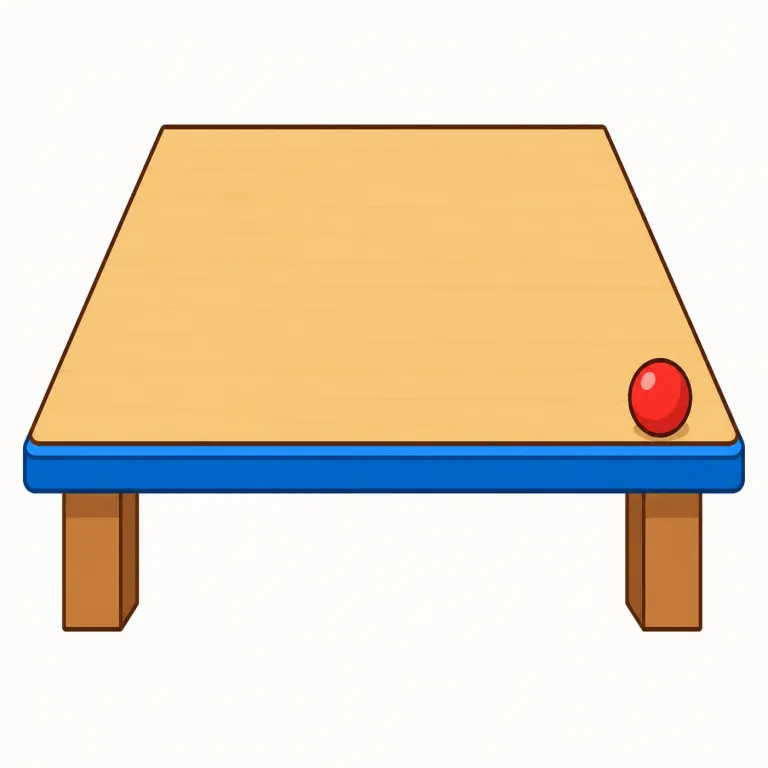
物の端や縁、境界にあたる部分を指す名詞。机や崖のふちのような具体的な場所に使うほか、地域や紙面の端、何かと何かの境目にも使える。比喩的には、危険や限界に近い際どい位置、またはわずかな優位を表すこともある。
The edge is the outer line or border of something. It can also mean the sharp side of a blade or tool. It is commonly used when talking about shape, position, or anything that has a clear boundary.
覚え方のコツ Memory Tip
まず基本は「細いふち」を表す concrete な名詞として覚えると広がりやすいです。the edge of the table, the edge of a cliff のように、物や場所のいちばん外側の線を指します。border や boundary よりも「ぎりぎりの端」の感覚が強いのがポイント。そこから on the edge で「際どい状態」、have an edge over ... で「…より少し優位」、cutting-edge で「最先端」へ意味が伸びる、とまとめると定着しやすいです。
Picture the thin outer line of something: the edge of a table, a cliff, or a knife. That helps you remember the core feeling of edge: the very outer limit, often with a sharp or risky sense. From there, phrases like on the edge and have an edge over someone are easier to connect.
例文
The cup is near the edge.
カップは端の近くにあります。
Do not sit on the edge.
端に座らないでください。
The cat walks along the edge.
猫は縁に沿って歩きます。
えいたんごクイズでの正答率
この語をはじめて出題された 39人 のうち 33人 が正解しました(85%)。
えいたんごクイズの回答から集計した独自データです。1人につき最初に出題されたときの1回だけを数えており、復習や2回目以降の回答、「わからない」と時間切れは含みません。 集計時点は 2026年9月19日 です。
優位
(意味 2)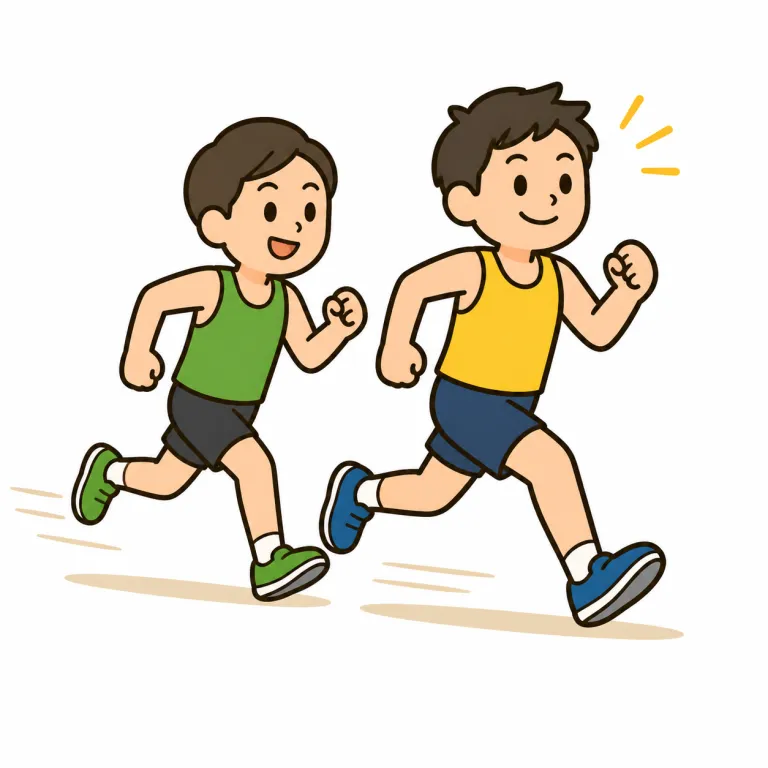
解説 Definition
競争や比較の場面で、相手より少し有利な立場にあることを表す名詞。have an edge over ... の形でよく使われ、経験・技術・情報などが勝負を左右する文脈で用いられる。
A small advantage over someone else in a competition or comparison. Experience, skill, or information can provide it and improve your chance of success.
例文
Our team has an edge in this game.
この試合では私たちのチームが優位だ。
Her practice gives her an edge.
練習のおかげで彼女は優位に立てる。
Our speed gives us an edge.
速さでは私たちのほうが優位だ。
刃
(意味 3)
解説 Definition
ナイフ・剣・はさみなどで、実際に物を切るために鋭くなっている部分を指す名詞。道具全体ではなく切断に使う細い部分を表し、knife edge のような形でもよく現れる。
The narrow, sharp part of a knife, sword, or similar tool that cuts things. It refers specifically to the cutting part rather than the whole tool.
覚え方のコツ Memory Tip
edge はこの語義では、ナイフや剣の「切るための鋭いふち」を指すと覚えるとよい。the edge of the knife はナイフ全体ではなく、実際に物に当たって切る細い部分。table や cliff の edge は「端・縁」だが、刃の edge はその端が鋭くなっているもの、と切り分ける。sharp edge, cutting edge, knife edge の形で覚えると、ただの境界線ではなく“切れる線”の感覚が残りやすい。
Picture the thin line on a knife that actually cuts into food. Learn knife edge and sharp edge together to connect this sense with a sharp cutting surface.
例文
Be careful with the edge of the knife.
ナイフの刃に気をつけて。
The cook checked the edge before cutting the meat.
その料理人は肉を切る前に刃の状態を確かめた。
This tool has a very sharp edge.
この道具にはとても鋭い刃がある。
edge の類義語・関連語
edge の語源・成り立ち Etymology
edge は古英語 ecg にさかのぼり、「刃・鋭い縁」を表した語です。もともと“切っ先”の感覚があるので「端」や「優位」の意味にも広がり、関連語に edgy、edging があります。
"Edge" comes from Old English "ecg," which meant a blade or sharp cutting side. The word first had the sense of something sharp, then widened to mean a border or outer line. Later, this idea of a sharp outer part also helped create figurative uses like advantage or intensity, as in related words such as "edgy."
同じレベルの語彙をもっと
英検準2級の一覧へ →外部辞書で調べる
この英単語をクイズで覚えよう