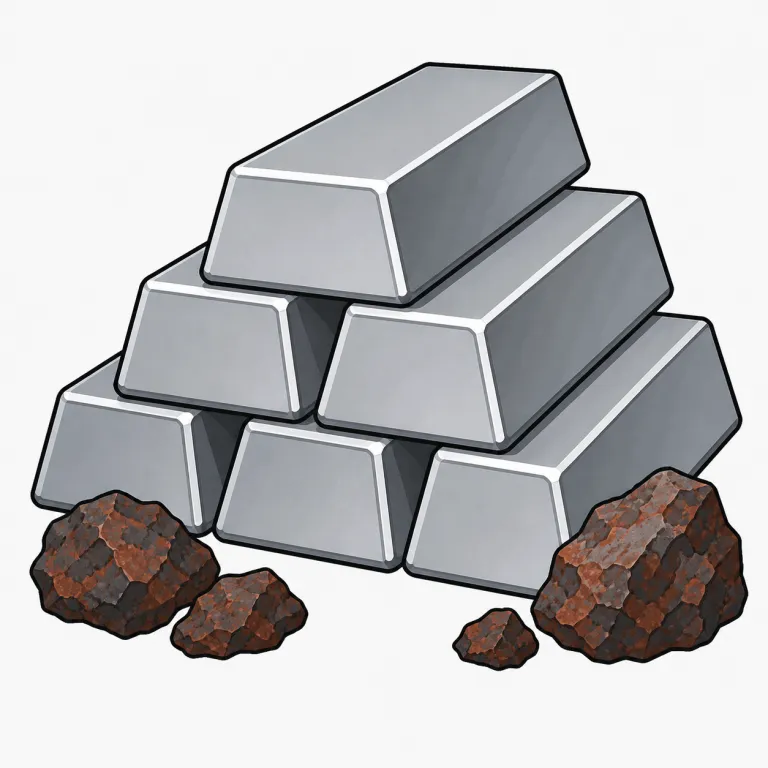
iron
iron は英検3級・TOEIC 730・TOEFL 60・IELTS 5.5レベルの英単語で、「鉄、アイロンをかける」という意味があります。発音記号は /ˈaɪɚn/ です。
意味一覧 (2件)
鉄
解説 Definition
かたくて重い金属の一つで、道具や建物、機械などに広く使われます。さびやすい性質がありますが、強くて加工しやすいため、昔から人の生活を支えてきた材料です。
A hard, heavy metal used to make tools, buildings, machines, and many other things. It is strong but can rust.
覚え方のコツ Memory Tip
iron は、道具や建物に使われる、硬くて重い金属の「鉄」です。カタカナの「アイアン」はゴルフクラブなどで知られますが、中心にあるのは鉄という材料のイメージ。iron bars「鉄格子」、an iron gate「鉄の門」のように、別の名詞の前に置くと「鉄製の」を表せます。Iron is a strong metal. と、黒っぽく重い門や棒を持つ場面を思い浮かべましょう。元素記号 Fe と iron を同じカードの表裏にすると、理科の知識とも結びついて定着しやすいです。
Think of a strong metal used in bridges, gates, and machines. That metal is iron.
例文
This gate has iron bars.
この門には鉄の棒があります。
Iron is a strong metal.
鉄は強い金属です。
The box has an iron key.
その箱には鉄のかぎがあります。
アイロンをかける
(意味 2)
解説 Definition
「iron」は動詞として、衣類などに「アイロンをかける」行為を表します。熱を使ってシワを伸ばし、衣類を整える家事の一つです。きちんとした身だしなみや清潔感を保つために行われる作業で、正式な場面での服装準備に特に重要です。
To iron clothes means to make them smooth by pressing them with a hot iron. It is usually done to remove wrinkles from shirts, pants, and other fabric items. This word is mainly used in household and clothing contexts.
覚え方のコツ Memory Tip
名詞のiron「鉄・アイロン」を知っていれば、動詞はその道具を“使う”感覚で覚えると定着しやすいです。hammerが「ハンマーで打つ」になるのと同じで、ironも「アイロンをかける」。よく一緒に使うのは iron a shirt / dress / clothes。wash→dry→iron の家事の流れで置くと記憶に残ります。irony とは無関係で、名詞と動詞の切り替えに注意すると混同しにくいです。
Think of the noun "iron" first: the tool itself. Then the verb is simple, like "hammer" becoming "hammer a nail"; "iron" means use an iron on clothes. It often appears in home routine phrases like "wash, dry, iron" or "iron a shirt."
例文
She ironed her shirt before the job interview.
彼女は就職面接の前にシャツにアイロンをかけました。
He irons his clothes every Sunday evening.
彼は毎週日曜日の夜に服にアイロンをかけます。
It takes practice to iron a dress shirt properly.
ドレスシャツに上手にアイロンをかけるには練習が必要です。
iron の類義語・関連語
類義語
対義語
iron の語源・成り立ち Etymology
古い英語の iren に由来する語です。さらに古いゲルマン系の語から来たと考えられ、昔から大切な金属を表す言葉として使われてきました。
Iron comes from Old English iren. It is related to older Germanic words for the metal and has been used for this important material since ancient times.
同じレベルの語彙をもっと
英検3級の一覧へ →外部辞書で調べる
この英単語をクイズで覚えよう