しわを伸ばす
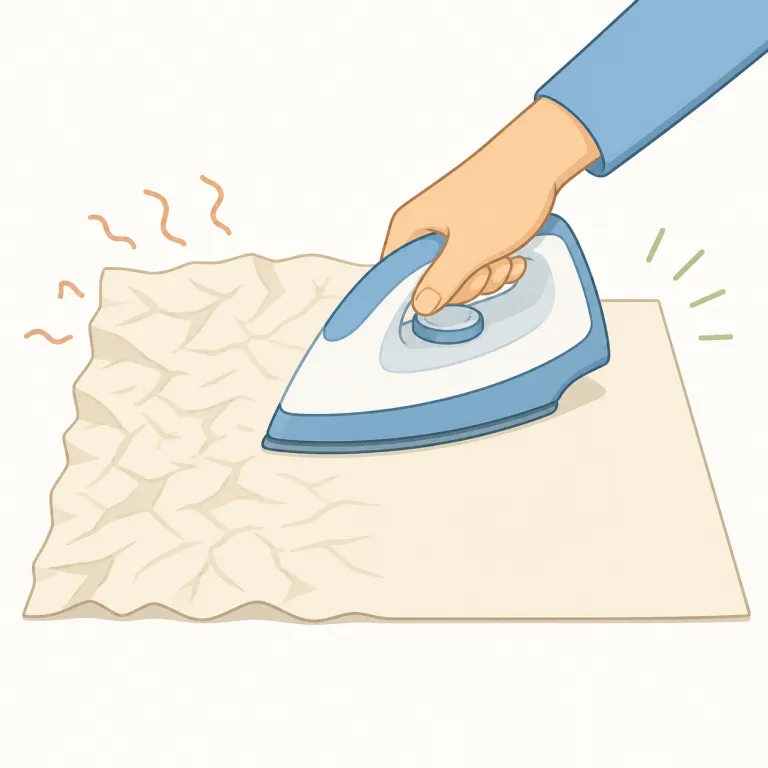
phrasal_verb 句動詞アイロンをかけて衣類や布のしわを伸ばし、平らに整えること。iron out the creases や iron out the wrinkles の形で具体的なしわを目的語に取り、問題を解消する比喩的用法とは区別される。
iron out は英検1級・TOEIC 730・TOEFL 60・IELTS 5.5レベルの英熟語で、「解決する」という意味があります。発音記号は /ˈaɪərn ˈaʊt/ です。
意見の相違や問題点を話し合いで解決すること。
To iron out something means to solve small problems or remove difficulties. It is often used when people are improving a plan, agreement, or process before it works smoothly. The phrase usually suggests careful discussion or adjustment rather than a sudden fix.
iron out は、服のしわを iron でのばして表面をなめらかにする場面を思い浮かべると残りやすい表現です。人間関係や計画でも、意見のズレや細かな問題を一つずつ平らにしていく感じ。solve より『対立や不一致を調整して丸く収める』ニュアンスが強めです。iron out our differences, iron out a problem, iron out the details などの形でよく出ます。work out が答えを見つける寄りなのに対し、iron out は摩擦やしこりをなくす寄りです。
Think of using an iron to remove wrinkles from clothes. `Iron out` means making something smooth by removing small problems one by one. It often appears with `differences`, `details`, or `problems`, where the idea is adjustment, not just a simple answer.
The two sides met to iron out their differences before signing the deal.
双方は契約締結前に意見の相違を解決するために会合した。
We still need to iron out a few details in the agreement.
合意の細部をまだいくつか詰める必要がある。
The team ironed out the technical issues before the product launch.
チームは製品発売前に技術的な問題を解決した。
文脈によって、次の意味でも使われます。
アイロンをかけて衣類や布のしわを伸ばし、平らに整えること。iron out the creases や iron out the wrinkles の形で具体的なしわを目的語に取り、問題を解消する比喩的用法とは区別される。
iron は古英語 īsern 系で、ケルト語由来とみられる古い金属名、out は古英語 ūt「外へ・すっかり」。句としては「しわをアイロンで外へ押し出して平らにする」が原感覚で、問題をなめらかに解決する意味へ伸びました。関連語は ironing、ironclad。
"Iron" comes from Old English isern or īsern, an old word for the metal, probably from a Celtic source. "Out" adds the sense of fully removing or smoothing away. The phrase first referred to pressing wrinkles flat with an iron, and later it was used figuratively for solving problems and smoothing difficulties.
この英熟語をクイズで覚えよう