
sort out
sort out は英検準1級・TOEIC 730・TOEFL 60・IELTS 5.5レベルの英熟語で、「解決する、整理する、選り分ける」という意味があります。発音記号は /ˈsɔːrt ˈaʊt/ です。
解決する
解説 Definition
問題やトラブルを整理して解決すること。きちんと処理すること。
To sort out means to organize something or solve a problem. It is often used for confusing situations, arguments, plans, or practical tasks. The meaning can be either putting things in order or dealing with a difficulty successfully.
覚え方のコツ Memory Tip
まず sort が「分類する・仕分ける」と分かれば覚えやすい句動詞です。out が付くと「外に出して、はっきりさせる」感じになり、ごちゃごちゃした問題を一つずつ分けて片づける→「解決する」。solve が答えを出す感じなのに対し、sort out は混乱した状況を整理して収める語。sort out a problem, sort out the schedule, We’ll sort it out. の形でまとめて覚えると定着しやすいです。
Start with sort = put things into groups. Add out, and the picture becomes taking a messy situation and separating it until it becomes clear. That is why sort out often fits problems, schedules, or confusion: "sort out a problem," "sort out the schedule," "We’ll sort it out."
例文
We need to sort out this problem before the event.
イベントの前にこの問題を解決しなければならない。
It took hours to sort out all the paperwork.
書類をすべて整理するのに何時間もかかった。
Can you help me sort out this misunderstanding?
この誤解を解くのを手伝ってくれますか?
整理する
(意味 2)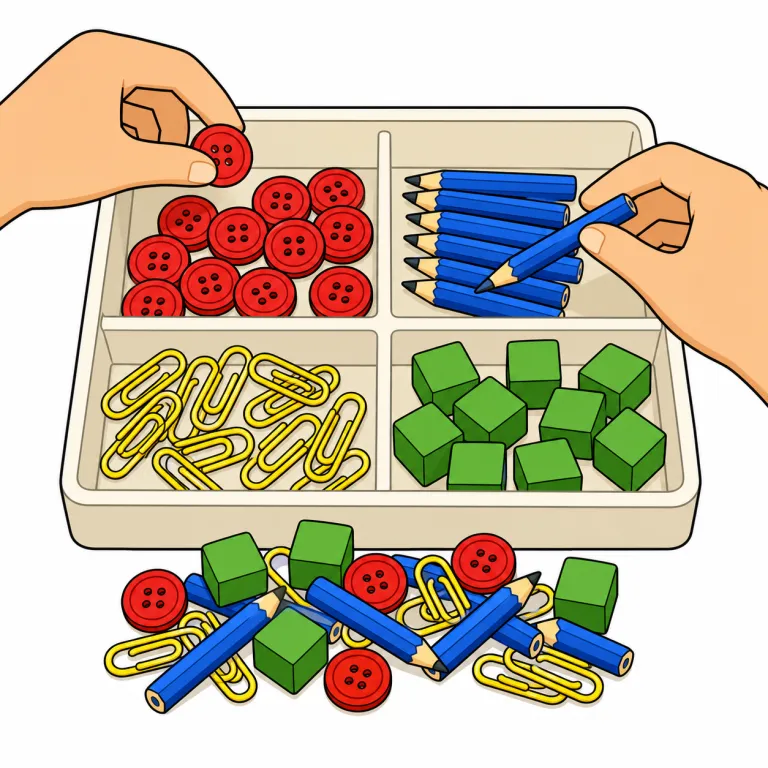
解説 Definition
物や書類、情報などをきちんと整えて扱いやすくすることを表す。散らかったものをまとめたり、内容を確認しながら順序立てたりするときによく使う。
To organize objects, documents, or information so that they are neat and easy to use. It can involve clearing a messy space or arranging items in a useful order.
覚え方のコツ Memory Tip
sort は「分類する・仕分ける」なので、sort out はごちゃごちゃしたものを分けて、扱いやすい状態に整えるイメージです。files, documents, desk, clothes など、物や情報を整理する場面でよく使います。問題を sort out すると「解決する」の意味にもなりますが、ここではまず、散らかったものを分類して整える「整理する」と覚えます。
Think of sort as putting things into groups and out as making the result clear. Picture arranging scattered files, clothes, or papers into an orderly and manageable state.
例文
I need to sort out these files before the meeting.
会議の前にこのファイルを整理する必要がある。
She spent the afternoon sorting out her desk.
彼女は午後ずっと机の上を整理していた。
Can you help me sort out the documents by date?
書類を日付順に整理するのを手伝ってくれる?
えいたんごクイズでの正答率
この語をはじめて出題された 39人 のうち 23人 が正解しました(59%)。
えいたんごクイズの回答から集計した独自データです。1人につき最初に出題されたときの1回だけを数えており、復習や2回目以降の回答、「わからない」と時間切れは含みません。 集計時点は 2026年9月19日 です。
選り分ける
(意味 3)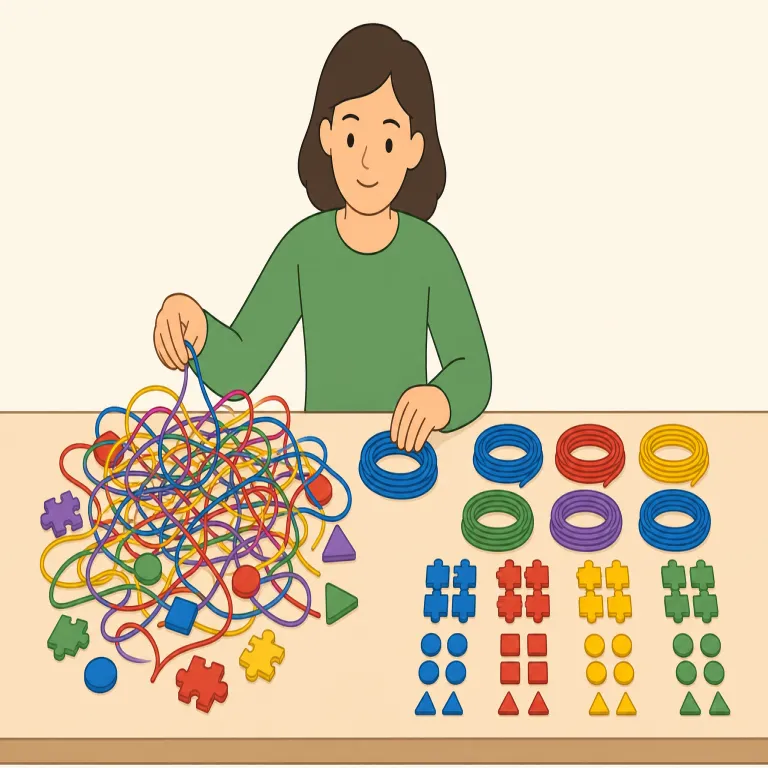
解説 Definition
多くの物の中から種類や条件に応じて分けたり、必要なものを選び出したりする意味で使う。郵便物、衣類、データなどを分類するときに自然な表現。
To separate items into groups or select particular ones from a larger mixed collection. It is naturally used for classifying mail, clothes, materials, or data according to a condition.
覚え方のコツ Memory Tip
sort が「種類ごとに分ける」、out が「外へ取り出す」と分かれば、この語義はそのままです。山になった物の中から、良いりんごを悪いりんごから外へ分け出すイメージで sort out。問題を解決する sort out ではなく、この行では郵便物・衣類・材料などを条件で選り分ける動作そのものに注目すると、sort out metal from plastic の形で残りやすいです。
Think of sort as dividing by type and out as pulling selected items from a mixture. Picture separating good apples from bad ones or metal from plastic, rather than generally tidying a space.
例文
They sorted out the good apples from the bad ones.
彼らは良いりんごと悪いりんごを選り分けた。
The machine sorts out metal from plastic.
その機械は金属とプラスチックを選り分ける。
Please sort out the emails that need a reply.
返信が必要なメールを選り分けてください。
sort out の類義語・関連語
sort out の語源・成り立ち Etymology
sort out は sort「種類ごとに分ける」+ out「外へ、はっきりと」。sort は古フランス語 sorte、さらにラテン語 sors「割り当て・種類」に由来し、混乱を外へより分ける感覚から「整理して解決する」になった。関連語は assort, assortment。
"Sort out" joins "sort" and "out." "Sort" came into English through Old French "sorte," from Latin "sors," meaning a lot, share, or kind. The idea was first to separate things clearly into groups, and from that it came to mean solving or organizing a confusing situation; related words include "assort" and "assortment."
同じレベルの語彙をもっと
英検準1級の一覧へ →外部辞書で調べる
この英熟語をクイズで覚えよう