
irony
irony は英検準1級レベルの英単語で、「皮肉、皮肉なこと」という意味があります。発音記号は /ˈaɪrəniː/ です。
意味一覧 (2件)
皮肉
解説 Definition
他人の言葉や行動に対して、字面とは反対の意味を暗黙のうちに表現すること。話者の真の意図と異なることを言うことで、聞き手を楽しませたり、風刺したりする表現技法です。
Irony is a situation or comment in which the result or meaning is very different from what people expect. It often involves a surprising, amusing, or critical contrast between appearance and reality.
覚え方のコツ Memory Tip
"irony" は "ironic" の名詞形としてセットで覚えると定着しやすい語です。核は「表面の言葉・見た目の状況」と「本当の意味・現実」がねじれている感覚。単なる悪口ではなく、失敗した相手に "Great job" と言うような逆向きの表現や、期待と結果のズレにも使えます。似た sarcasm は相手を刺す意地悪さが強めで、irony はもっと広く、会話の皮肉にも状況の皮肉にも使える語。"the irony is that ..." や "ironic twist" をまとめて覚えると実戦で出しやすいです。
Learn it together with `ironic`. `Irony` is the gap between what appears to be true and what is really true, or between what is said and what is meant. The pattern `the irony is that ...` is very common and easy to remember.
例文
His praise for the terrible meal was pure irony.
ひどい食事を褒めた彼の言葉は、まさに皮肉でした。
The coach used irony after the player missed an easy shot.
選手が簡単なシュートを外すと、コーチは皮肉を言いました。
Literature often employs irony to create a deeper meaning and engage readers.
文学はしばしば皮肉を使って、より深い意味を作り出し、読者を引き込みます。
皮肉なこと
(意味 2)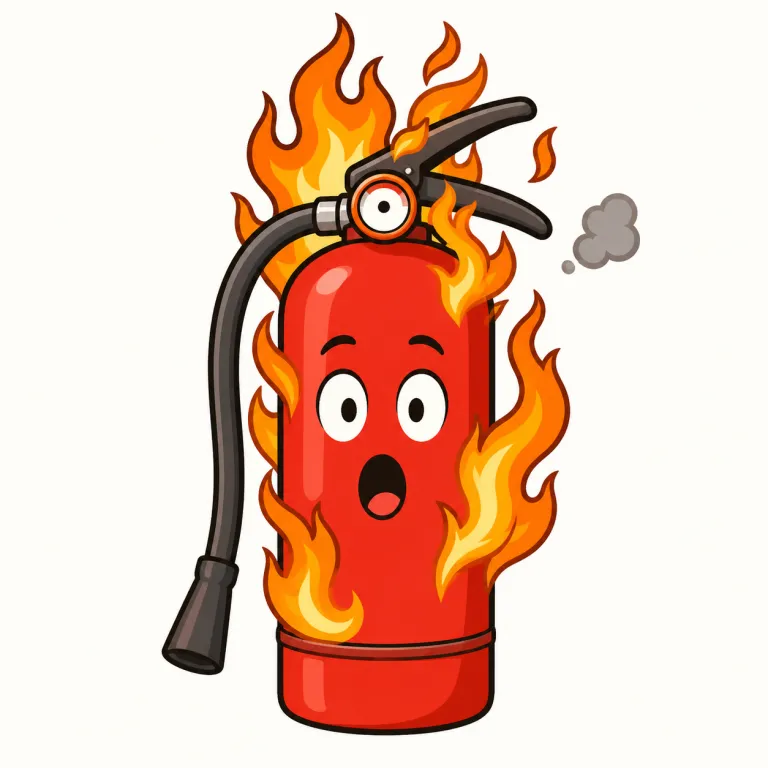
解説 Definition
期待された結果とは逆のことが起きたために、状況全体が妙に皮肉に見える場合を指す名詞です。人の発言そのものより、出来事や巡り合わせの食い違いを述べるときによく使います。特に、よい目的や立場が思わぬ反対の結果を生んだ場面で使われます。
A striking mismatch between what would reasonably be expected and what actually happens. It often involves an outcome that reverses someone's purpose or clashes with their role.
例文
The irony is that the safety expert caused the accident.
安全の専門家がその事故を起こしたというのは皮肉なことだ。
She smiled at the irony of losing her map on the day she taught navigation.
道案内を教える日に地図をなくしたという皮肉な巡り合わせに、彼女は苦笑した。
There is a bitter irony in the fact that the town flooded after cutting down its trees.
町が木を切り倒したあとで洪水に見舞われたという事実には、苦い皮肉がある。
irony の類義語・関連語
irony の語源・成り立ち Etymology
irony はギリシャ語 eironeia に由来し、もとは「知らないふりをしてとぼけること」を表しました。そこから思っていることを正面から言わず逆向きに示す「皮肉」へ育った語で、ironic や ironist に同じ演技めいた核が残ります。
Irony comes from Greek eironeia, which first meant dissembling or pretending not to know. It described a kind of indirect or playful pretence in speech. Over time, this developed into the modern idea of saying something in a way that points to a different or opposite meaning.
同じレベルの語彙をもっと
英検準1級の一覧へ →外部辞書で調べる
この英単語をクイズで覚えよう