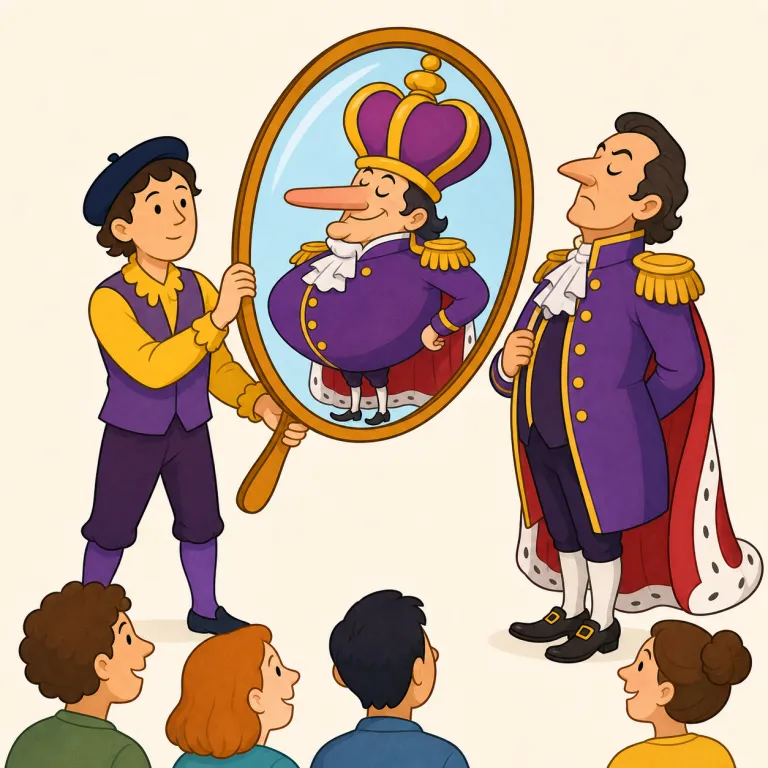
satire
satire は英検準1級レベルの英単語で、「風刺」という意味があります。発音記号は /ˈsæˌtaɪɚ/ です。
風刺
解説 Definition
風刺とは、社会の欠点や不正を面白く、皮肉的に批判する表現方法です。文学、アート、メディアなど様々な形で使われます。
Satire is a way of criticizing people, society, or politics by using humor, irony, or exaggeration. It is common in writing, film, television, and art. The purpose is often not just to entertain, but to show faults or make people think.
覚え方のコツ Memory Tip
satire は「ただ悪口を言う」語ではなく、社会や権力の欠点を笑いと皮肉で突く表現だと押さえる。sarcasm は相手への刺すような皮肉、parody はまねして笑わせるものだが、satire はその奥に批判や問題提起がある点が核。political satire, biting satire の形で見かけやすい。satirize(風刺する)、satiric(風刺的な)まで語族でまとめて覚えると定着しやすい。
Remember `satire` as criticism hidden inside humor. It is not just sharp personal mockery like `sarcasm`, and not just imitation like `parody`; it usually points at social or political problems. The word family also helps: `satire`, `satiric`, `satirize`.
例文
The movie used satire to criticize corruption in government.
その映画は、政府の腐敗を批判するために風刺を用いました。
Political satire uses humor to criticize leaders.
政治風刺はユーモアを使って指導者を批判します。
The author's satire of modern society was clever and funny.
その作家による現代社会の風刺は、巧みで面白いものでした。
えいたんごクイズでの正答率
この語をはじめて出題された 35人 のうち 20人 が正解しました(57%)。
えいたんごクイズの回答から集計した独自データです。1人につき最初に出題されたときの1回だけを数えており、復習や2回目以降の回答、「わからない」と時間切れは含みません。 集計時点は 2026年9月19日 です。
satire の類義語・関連語
類義語
対義語
派生語
紛らわしい語
satire の語源・成り立ち Etymology
satire はラテン語 satura(ごちゃまぜの盛り合わせ、雑多な作品)から来た語で、もとは「いろいろ詰め込んだもの」の感覚でした。そこから人や社会の欠点を盛り込んで皮肉る文学を指すようになり、今の「風刺」になりました。関連語は satiric, satirize。
Satire comes from Latin satura, which meant a mixed dish or a varied collection. The early sense was not specifically about humor, but about something full of different elements. From that idea, it came to mean a literary work that mixes sharp comment and criticism, and it is related to satiric and satirize.
同じレベルの語彙をもっと
英検準1級の一覧へ →外部辞書で調べる
この英単語をクイズで覚えよう