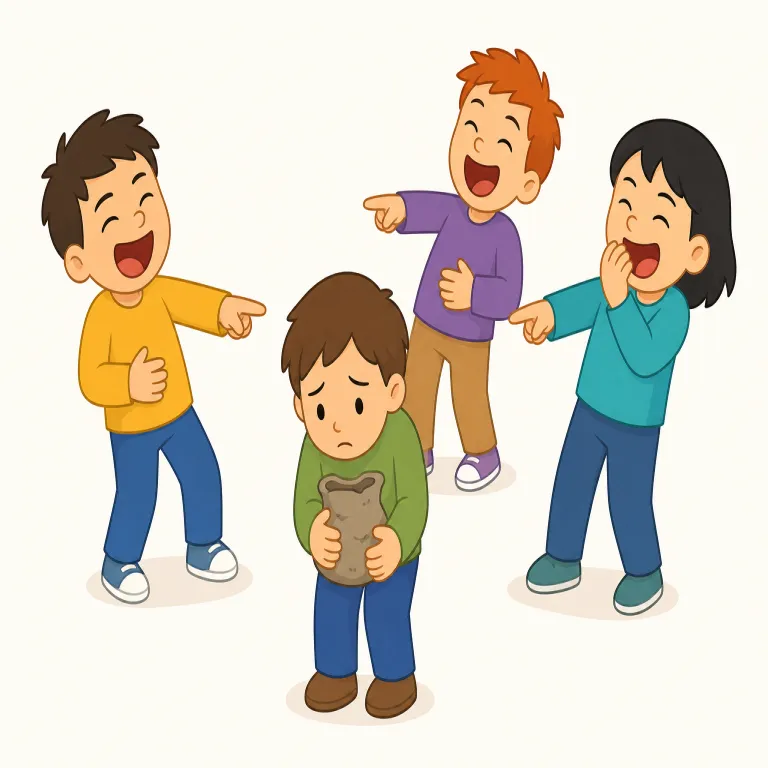
mockery
mockery は英検1級レベルの英単語で、「嘲笑、茶番、見せかけ」という意味があります。発音記号は /ˈmɑːkəriː/ です。
意味一覧 (2件)
嘲笑
解説 Definition
誰かを笑いの対象にして、ばかにしたり、からかったりする行為のことです。相手を傷つけることが多い否定的な行動です。
Mockery is unkind laughter or comments that show you are making fun of someone or something. It is often used when a person is treated with ridicule instead of respect. The word has a negative feeling.
覚え方のコツ Memory Tip
mock が分かれば覚えやすい語です。mock someone で「人をからかう・まねしてばかにする」、そこに名詞化の -ery が付いて、そうした嘲笑行為そのものを表します。単なる joke や playful teasing より悪意が強く、ridicule に近い否定的な語感です。be the subject of mockery のように「笑いものになる」の形でもよく出るので、人ではなく行為・状態を指す名詞だと押さえると定着します。
Start with the verb `mock`, which means to laugh at or copy someone in an unkind way. Add `-ery`, a noun ending, and you get the act itself: `mockery`. Remember it as stronger and colder than a simple joke, often in phrases like `be the subject of mockery`.
例文
The mockery from his classmates hurt his feelings.
同級生からの嘲笑は彼の気持ちを傷つけました。
She was tired of the constant mockery and decided to leave.
彼女は絶え間ない嘲笑にうんざりし、その場を離れることにしました。
The mockery in his tone made it clear he didn't believe her.
彼のあざけるような口調から、彼が彼女を信じていないことは明らかでした。
茶番、見せかけ
(意味 2)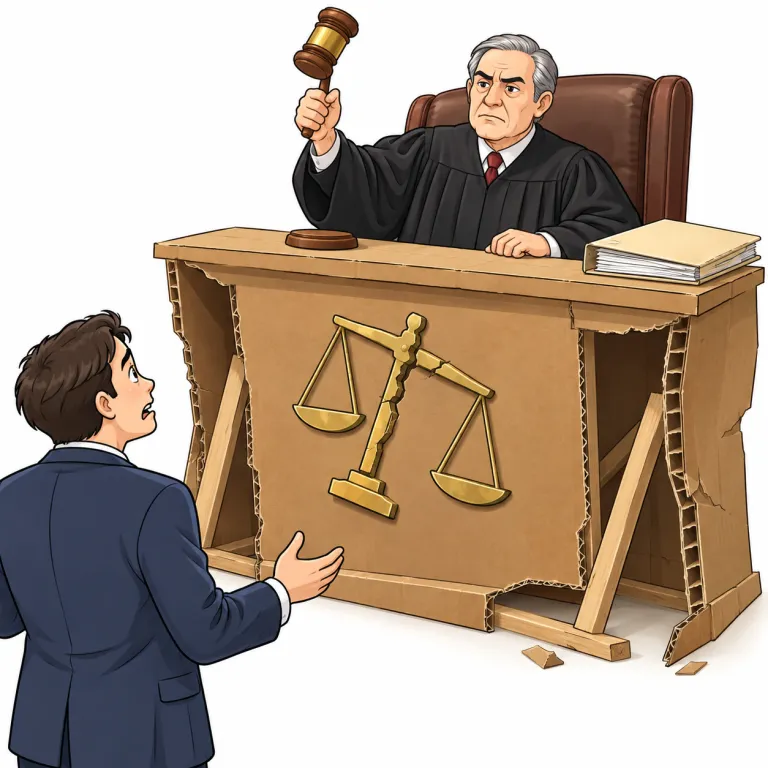
解説 Definition
名目や外見だけは整っていても、中身が伴わず、本来あるべき価値や機能を失っている状態を表す名詞。とくに a mockery of ... の形で、制度・約束・正義などが形骸化していることを強く非難するときに使う。
This noun describes a false or shamefully inadequate version of something that should have real value or purpose. It is especially used in the phrase a mockery of when strongly criticizing an empty institution, promise, or principle.
覚え方のコツ Memory Tip
mock が分かれば覚えやすい語です。mock someone は「人をからかう・ばかにする」ですが、a mockery of justice のように使うと、正義や制度が本物らしく見えるだけで中身が伴わない「茶番・見せかけ」を表します。単なる joke ではなく、本来あるべき価値を台無しにしている強い非難の語感です。make a mockery of the rules / be a mockery of democracy の形で覚えると、人への嘲笑ではなく、仕組みや行為が形だけになっている名詞だと定着します。
Connect it with mock, but remember that this sense is not merely about laughing at someone. In phrases such as a mockery of justice, it means that something has the outward form of the real thing while destroying its proper value.
例文
The trial was a mockery of justice.
その裁判は正義とは名ばかりの茶番だった。
Their apology was a mockery, offered only after the cameras arrived.
彼らが謝罪したのはカメラが到着してからで、見せかけにすぎなかった。
Paying workers so little makes labor law a mockery.
労働者にそんな低賃金しか払わないのでは、労働法は形だけのものになってしまう。
mockery の類義語・関連語
mockery の語源・成り立ち Etymology
mockeryはmock「ばかにする」に名詞化の-eryが付いた語。mockは古フランス語moquerに由来し、相手をまねて笑いものにする感覚から「嘲笑」になった。同系にmockingやmockerがある。
Mockery comes from mock with the noun ending -ery. Mock came into English through Old French moquer, meaning to laugh at or make fun of someone, often by copying them. The idea developed from imitation used for ridicule to the general sense of scorn or teasing. Related words include mocking and mocker.
同じレベルの語彙をもっと
英検1級の一覧へ →外部辞書で調べる
この英単語をクイズで覚えよう