えいたんごクイズ

descendant

/dɪˈsɛndənt/

descendant はTOEIC 860・TOEFL 80・IELTS 6.5レベルの英単語で、「子孫、末裔、後継者、遺産相続人」という意味があります。発音記号は /dɪˈsɛndənt/ です。

意味一覧 (4件)

noun

子孫しそん

解説 Definition

親などの先祖から生まれた子孫を指します。世代を通じて続く家系の後継者を表します。

A descendant is a person related to someone who lived in the past, such as a child, grandchild, or later family member. The word is often used when talking about family history, famous people, or earlier generations.

覚え方のコツ Memory Tip

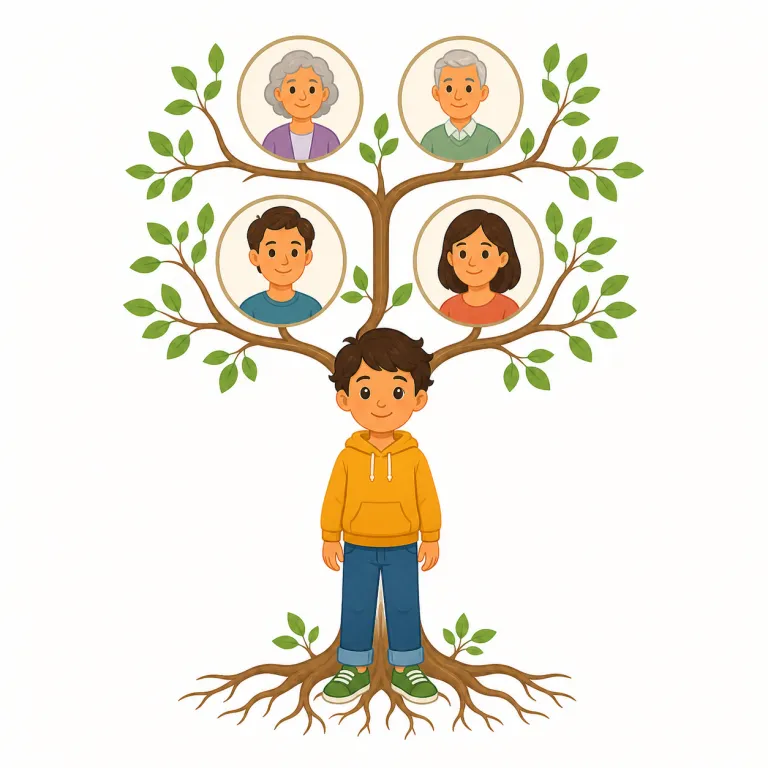
descendant は、親・祖父母・先祖から血筋が続いて生まれた「子孫」を表す名詞です。動詞 descend「下りる」を手がかりに、家系図で祖先から子、孫、さらに下の世代へ線が伸びるイメージを持つと覚えやすいです。反対語 ancestor「先祖」と組にし、a descendant of ...「…の子孫」、direct descendant「直系の子孫」の形で定着させましょう。

Use the verb descend as your memory hook. In a family tree, the line goes down from ancestors to children and grandchildren, so a descendant is someone who comes from an earlier family member. Learn it together with the opposite word ancestor and phrases like a descendant of and direct descendant.

例文

The descendants of the royal family still live in the palace.

王族の子孫はまだ宮殿に住んでいます。

Many descendants visited the ancestral home.

多くの子孫が先祖の家を訪ねました。

He is a direct descendant of the founder.

彼は創業者の直系の子孫です。

noun

末裔まつえい

(意味 2)

解説 Definition

descendant は、昔の人物・一族・民族などから血筋や系統を受け継いだ人を指します。特に「有名な先祖の末裔」「移民の末裔」のように、何世代も後のつながりをやや改まって述べる場面でよく使います。

A descendant is a person who comes from an earlier person, family, or group by blood. It is often used when talking about someone connected to a famous ancestor, an old family line, or a group of migrants many generations later. The word sounds a little formal and is common in historical, cultural, and family contexts.

覚え方のコツ Memory Tip

descendant は descend「下りる」から考えると覚えやすい語です。家系図では祖先を上に、その後の世代を下に描くため、「先祖から代を下って来た人」が descendant です。ancestor「祖先」と反対方向の語として整理しましょう。末裔は特に、歴史上の人物・一族・移民集団などから何世代も後につながる人を指す文脈で自然です。

Think of descend, which means "go down." In a family tree, ancestors are usually shown at the top and later generations below them, so a descendant is someone who has come down from an earlier ancestor. You can remember it as the opposite direction of ancestor.

例文

She is a descendant of a well-known samurai family.

彼女は有名な武家の末裔です。

Many people in the town are descendants of Irish immigrants.

その町にはアイルランド移民の末裔が多くいます。

The museum invited a descendant of the writer to speak at the event.

その博物館はその作家の末裔を講演に招きました。

noun

後継者こうけいしゃ

(意味 3)

解説 Definition

ある人から代々つながる血族に属する人。祖先から生まれた直接の子孫。

例文

He is a direct descendant of the founder.

彼は創設者の直系の子孫です。

Archaeological evidence proved they were descendants of early settlers.

考古学的証拠は彼らが初期入植者の子孫であることを証明した。

She researched her family tree to find all her descendants.

彼女は自分のすべての子孫を見つけるために家系図を研究した。

noun

遺産相続人いさんそうぞくにん

(意味 4)

解説 Definition

相続権を持つ人。先祖から遺産や財産を受け継ぐ法的な権利を持つ者。

例文

The eldest descendant had the right to claim the inheritance.

最年長の遺産相続人は相続財産を請求する権利があった。

As a legal descendant, she was entitled to the estate.

法的な遺産相続人として、彼女はその不動産を相続する権利があった。

The will named three descendants who would share the property.

遺言は3人の相続人を指名し、財産を分け合うことになった。

descendant の語源・成り立ち Etymology

descendant はラテン語 descendere「下へ降りる」から来て、de-「下へ」+ scandere「登る」+ -ant「〜する者」の形です。ascend や descend と同根で、家系では祖先から代を下って「降りてきた者」だから「子孫」になると分かると、縦の系譜が見えてきます。

Descendant comes from Latin descendere, meaning "to go down" or "come down." It combines de- ("down") with scandere ("to climb"), and the ending -ant means "one who does." In family history, the idea became someone who comes down through the generations from an ancestor. It is related to descend and ascend.

外部辞書で調べる

この単語を英単語クイズで覚えよう