wrongful
不当な
解説 Definition
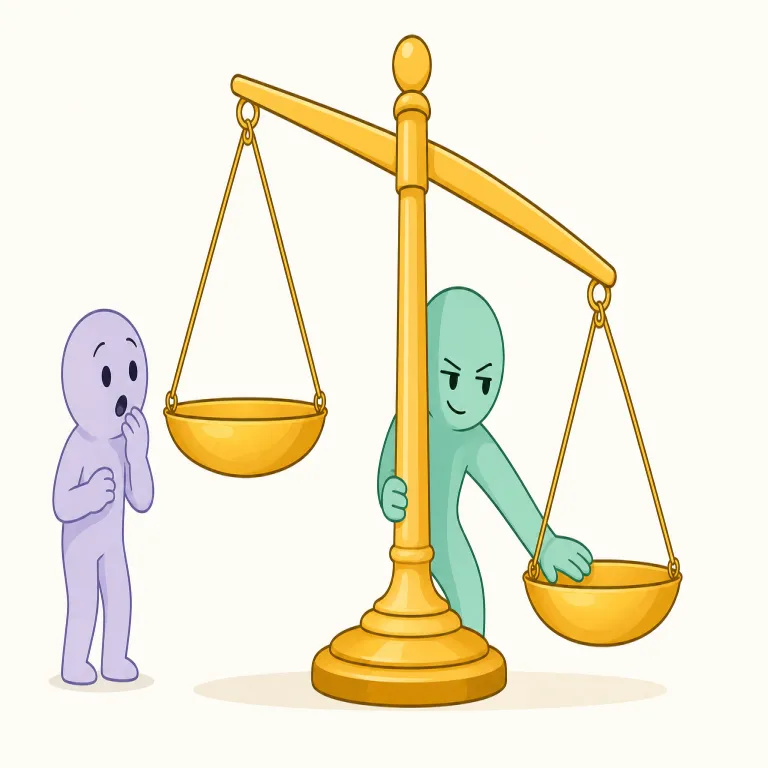
法律や道徳の規範に反する行為や状態を指す形容詞です。正当な根拠や権限がないのに行われた振る舞いや措置に使われ、裁判や規則の場面でしばしば見られます。たとえば、不当な解雇や正当性のない死の扱いなどに用いられます。
Wrongful means unfair, illegal, or morally wrong. It is often used in legal or formal contexts, such as wrongful arrest or wrongful dismissal. The word emphasizes that an action should not have happened.
覚え方のコツ Memory Tip
wrong を知っていれば核はつかみやすい語。-ful は「〜に満ちた」で、wrongful は「wrong な性質を帯びた=単なる間違いではなく、不当・違法寄りの悪さ」と覚えると定着しやすい。人のうっかりミスより、権利侵害や処分の文脈で使われ、wrongful dismissal, wrongful arrest, wrongful conviction, wrongful death などが頻出。incorrect や mistaken は事実誤認でも使えるが、wrongful は「してはいけないのにした」という法的・道徳的な非難を含みやすい。
Build it from `wrong` plus `-ful`. But this word is stronger than just "incorrect" and often appears in legal or moral contexts, not simple mistakes. Common phrases like `wrongful arrest` and `wrongful dismissal` help fix the feeling of the word.
例文
She filed a lawsuit claiming wrongful dismissal from her job.
彼女は不当解雇を主張して訴訟を起こした。
The court ruled that the arrest was wrongful because the police lacked evidence.
裁判所は、警察に証拠がなかったため、その逮捕は不当だったと判断した。
His family sought compensation for his wrongful imprisonment.
彼の家族は不当な投獄に対する賠償を求めた。
wrongful の類義語・関連語
類義語
派生語
wrongful の語源・成り立ち Etymology
wrongfulは古ノルド語rangr由来のwrongに、形容詞語尾-ful「…に満ちた」が付いた語。もとは「曲がった」が「正しくない」へずれ、道徳の逸脱を表すようになった。関連語wrongly、wrongnessにも、まっすぐでないこと=不正という感覚が残る。
Wrongful comes from wrong, which came from Old Norse rangr, plus the English ending -ful. The older idea behind wrong was "bent" or "crooked," which later shifted into "not right" in a moral or legal sense. Wrongful developed from that sense of being full of wrong or marked by it. Wrongly and wrongness are closely related forms.
同じレベルの語彙をもっと
外部辞書で調べる
この英単語をクイズで覚えよう