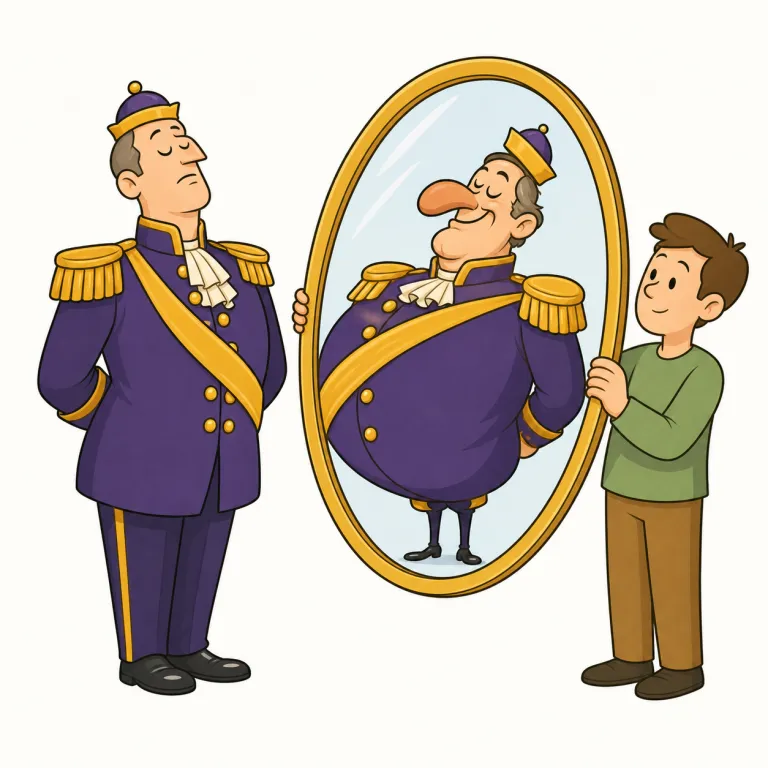
satirical
風刺的な
解説 Definition
「satirical」は、社会や人物の欠点・矛盾を皮肉や風刺を使って批判・揶揄する表現のことです。文学、映画、コメディなどで、権力者や社会問題を間接的に批判する手法として使われます。ユーモアを交えながらも鋭い批評を含むのが特徴です。
Satirical describes something that uses humor, irony, or exaggeration to criticize people, society, or politics. It is common in writing, art, and media that point out problems in a clever or mocking way.
覚え方のコツ Memory Tip
satirical は satire(風刺)を形容詞にした形だと押さえると覚えやすいです。似た語の sarcastic は相手への直接的で刺々しい皮肉ですが、satirical は社会・政治・人間の欠点を、笑いや誇張、物語を使って間接的に突く語。単に『おもしろい』ではなく『批判の矛先があるユーモア』が核です。satirical comedy, a satirical novel のように、作品や表現全体を述べる場面と結びつけると定着します。
Think of `satirical` as coming from `satire`. Satire uses humor to attack problems in society, politics, or human behavior. Unlike `sarcastic`, which often sounds direct and sharp, `satirical` is often used for books, shows, or comedy: `a satirical novel`, `satirical comedy`.
例文
The TV show gives a satirical view of modern politics.
そのテレビ番組は現代政治を風刺的に描いている。
His satirical novel made fun of rich people.
彼の風刺小説は金持ちをからかった。
The satirical cartoon criticized people's shopping habits.
その風刺的な漫画は、人々の買い物の仕方を批判した。
えいたんごクイズでの正答率
この語をはじめて出題された 31人 のうち 28人 が正解しました(90%)。
えいたんごクイズの回答から集計した独自データです。1人につき最初に出題されたときの1回だけを数えており、復習や2回目以降の回答、「わからない」と時間切れは含みません。 集計時点は 2026年9月19日 です。
satirical の類義語・関連語
satirical の語源・成り立ち Etymology
satirical は satire「風刺」+ -ical から成る語で、satire はフランス語を経てラテン語 satira / satura にさかのぼります。もとは「盛り合わせ・ごった煮」の意で、そこから批判や嘲りを織り交ぜた文体を指すようになったため、「風刺的な」という意味になります。関連語は satire, satirize.
Satirical comes from satire plus the adjective ending -ical. Satire came into English through French from Latin satira or satura, which originally meant a mixed dish or medley. From the idea of a mixed form full of different elements, it developed into a style that blends criticism and mockery. Related words include satire and satirize.
同じレベルの語彙をもっと
外部辞書で調べる
この英単語をクイズで覚えよう