concrete
concrete は英検準2級・TOEIC 860・TOEFL 80・IELTS 6.5レベルの英単語で、「コンクリート、具体的な」という意味があります。発音記号は /ˈkɑːŋkriːt/ です。
意味一覧 (2件)
コンクリート
解説 Definition
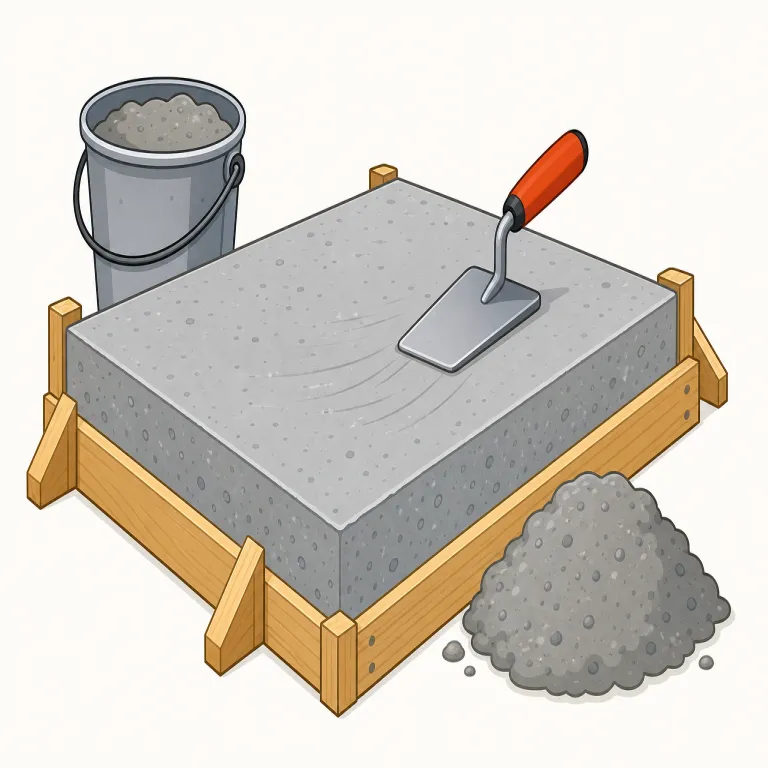
「コンクリート」としての「concrete」は建築材料を指し、セメント・砂・砂利・水を混ぜて固めた建設材料です。建物・橋・道路など現代インフラに欠かせない素材で、日本語でもカタカナでそのまま使われています。硬くて丈夫なイメージがあります。
Concrete is a hard building material made by mixing cement, sand, small stones, and water. It is commonly used for roads, walls, floors, and large structures. As a noun, it refers to the material itself, not the idea of something specific.
覚え方のコツ Memory Tip
日本語の「コンクリート」とほぼ同形なので、まず音で覚えやすい語です。記憶の軸は「セメントなどを混ぜて固めた、完成した建材」。cement は材料の一部、concrete は道路・壁・橋に使う出来上がったもの、と対比すると定着します。英語では pour concrete, a concrete bridge, concrete pavement などでよく見ます。さらに形容詞 concrete が「具体的な」を表すので、「抽象ではなく、手で触れられるほど実体がある」という感覚で名詞と一緒に覚えると忘れにくいです。
`Concrete` is easy to remember because it looks and sounds close to the word many learners already know. A useful memory hook is the contrast with `cement`: cement is one material, but concrete is the finished hard mix used for roads, walls, and bridges. Common pairs like `pour concrete` and `concrete bridge` help it stay in memory.
例文
Concrete is hard and gray.
コンクリートは硬くて灰色です。
Workers pour concrete here.
作業員がここにコンクリートを流します。
This wall is concrete.
この壁はコンクリートです。
えいたんごクイズでの正答率
この語をはじめて出題された 35人 のうち 35人 が正解しました(100%)。
えいたんごクイズの回答から集計した独自データです。1人につき最初に出題されたときの1回だけを数えており、復習や2回目以降の回答、「わからない」と時間切れは含みません。 集計時点は 2026年9月19日 です。
具体的な
(意味 2)
解説 Definition
抽象的・あいまいではなく、内容や形がはっきりしていて実際にイメージしやすいことを表します。計画、説明、証拠、例などについて、細部まで明確で現実的だと言いたいときによく使います。
Specific and clearly defined rather than abstract or vague. It describes plans, examples, explanations, or evidence with details that are easy to understand or picture.
覚え方のコツ Memory Tip
concrete は建材の「コンクリート」と同じ語です。形がなくぼんやりした考えを、コンクリートのように固く、目で捉えられる形にしたものが「具体的な」だと覚えます。abstract「抽象的な」、vague「あいまいな」と反対に置くと意味が鮮明です。concrete plan「具体的な計画」、concrete example「具体例」、concrete evidence「明確な証拠」が頻出の組み合わせ。「いつ、誰が、何をするか」まで書かれた計画書を思い浮かべ、We need a concrete plan と一文で固定すると定着しやすいです。
Use the building material concrete as a visual reminder: imagine a vague idea taking a firm, visible shape. Picture a concrete plan that states who will do what and when.
例文
We need a concrete plan before we start.
始める前に具体的な計画が必要です。
Please give me some concrete examples.
いくつか具体的な例を挙げてください。
The report offers concrete evidence of the problem.
その報告書は問題の具体的な証拠を示しています。
concrete の類義語・関連語
concrete の語源・成り立ち Etymology
ラテン語 concretus(固まった)が語源。con-(共に)+ crescere(成長する)の過去分詞形で、「一緒に固まって成長したもの」が原義。関連語: increase(増える)、crescent(三日月=成長する形)。抽象の対義語として「具体的な」の意味も同根から生まれた。
Concrete comes from Latin concretus, meaning "grown together" or "hardened." It is formed from con- "together" and crescere "to grow." The original image was things joining and becoming solid, which led to the material name and also to the idea of something definite rather than abstract. Related words include increase and crescent.
同じレベルの語彙をもっと
英検準2級の一覧へ →外部辞書で調べる
この英単語をクイズで覚えよう