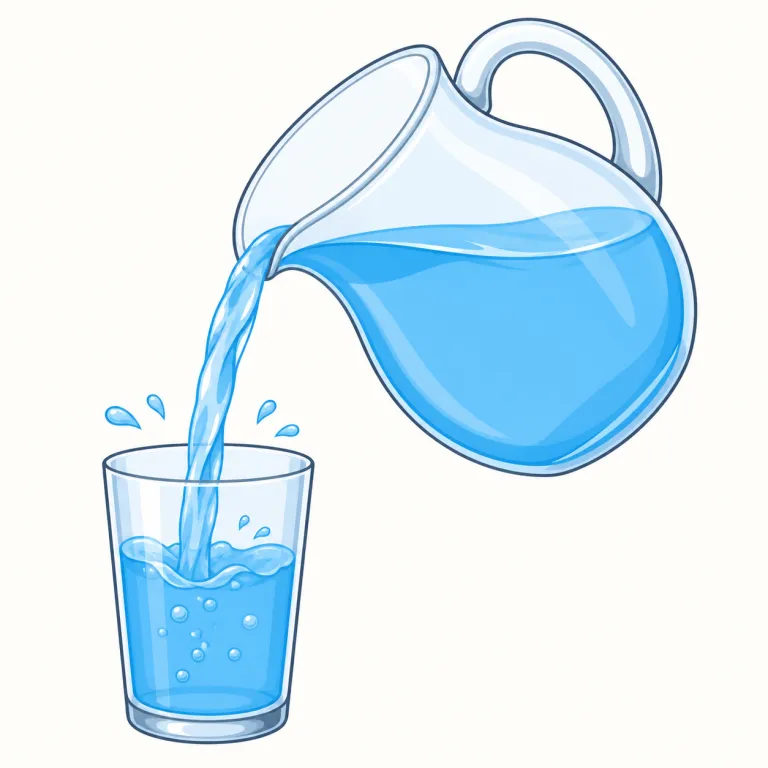
pour
pour は英検準2級・TOEIC 600レベルの英単語で、「注ぐ、殺到する、激しく降る」という意味があります。発音記号は /pɔːr/ です。
意味一覧 (3件)
注ぐ
解説 Definition
容器を傾けるなどして、中の液体を別の容器や場所へ流し出すことを表します。飲み物をコップに入れたり、液体を物の上にかけたりするときに使います。
To pour means to make liquid flow from one container into another or onto something. It is common in cooking, serving drinks, and other everyday actions with liquids. It can also describe rain falling heavily.
覚え方のコツ Memory Tip
pour は「中身が細くではなく、まとまって勢いよく流れる」と捉えると覚えやすい。pour coffee, pour water into a glass の基本から、rain is pouring で「土砂降り」、people poured into the station で「人がどっと流れ込む」、pour out one’s feelings で「感情を吐き出す」までつながる。spill はうっかりこぼす、fill は満たすなので別物。「液体→雨→人や感情」の順に広がる語として整理し、into / out を伴う形ごと覚えると定着しやすい。
Think of `pour` as a strong, smooth flow, not just a few drops. Start with simple phrases like `pour water` or `pour coffee`, then extend it to `rain is pouring` and `people poured into the station`. That pattern helps you remember how the word grows from liquid to movement and even emotions, as in `pour out your feelings`.
例文
She poured water into the glass.
彼女はグラスに水を注ぎました。
Could you pour me another cup of coffee?
コーヒーをもう一杯注いでくれますか。
He poured the sauce over the vegetables.
彼は野菜の上にソースをかけました。
えいたんごクイズでの正答率
この語をはじめて出題された 50人 のうち 38人 が正解しました(76%)。
えいたんごクイズの回答から集計した独自データです。1人につき最初に出題されたときの1回だけを数えており、復習や2回目以降の回答、「わからない」と時間切れは含みません。 集計時点は 2026年9月19日 です。
殺到する
(意味 2)
解説 Definition
人や物、情報などが一気にある場所へ多量に流れ込むときに使う。店や会場に人が押し寄せる場面や、問い合わせ・注文・苦情などが次々と届く場面でよく用いられる。
To arrive or move into a place in large numbers or quantities, like a strong stream. It describes crowds entering somewhere or messages, orders, and complaints arriving rapidly.
例文
Fans poured into the stadium after the gates opened.
ゲートが開くと、ファンがどっとスタジアムに押し寄せた。
Complaints poured in after the announcement.
その発表のあと、苦情が殺到した。
Tourists poured out of the station at noon.
正午になると、観光客が駅からどっとあふれ出た。
激しく降る
(意味 3)
解説 Definition
雨が非常に強い勢いで降ることを表す用法。特に it is pouring の形でよく使われ、短時間にどしゃ降りになる場面や、外出しにくいほどの強い雨を述べるときに自然である。
To rain very heavily. It describes a downpour, often strong enough to make going outside difficult.
例文
It started pouring just as we left the house.
家を出たちょうどそのとき、雨が激しく降り始めた。
Rain poured all night and flooded the streets.
雨が一晩中激しく降り、通りが冠水した。
Take an umbrella. It's pouring outside.
傘を持っていって。外はどしゃ降りだ。
pour の類義語・関連語
pour の語源・成り立ち Etymology
pour は古英語にはなく、中英語期に古フランス語方言 purer「ふるう・注ぎ出す」から入ったと考えられ、さらにラテン語 purare「清める」につながる説があります。液体を流して不要物を分ける発想が背景にあると見ると、「さらさら注ぐ」意味がつかみやすい語です。関連語は pure, purify です。
Pour entered English in the Middle English period, probably from an Old French dialect form such as purer. It may be connected with Latin purare, "to cleanse" or "purify," with an early idea of letting liquid flow in order to separate or clean. From that physical action, the word developed the general meaning of making liquid flow out. It may be related to pure and purify.
同じレベルの語彙をもっと
英検準2級の一覧へ →外部辞書で調べる
この英単語をクイズで覚えよう