より純粋な
解説 Definition
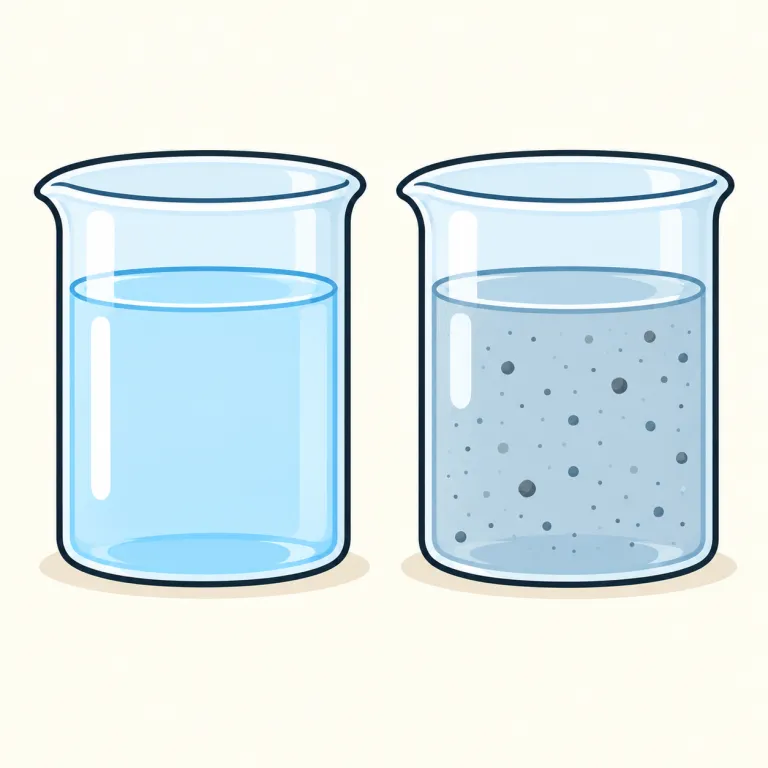
purer は pure(純粋な、混じりけのない)の比較級です。二つ以上のものを比べて、より純度が高い、またはより純粋であることを表します。
The comparative form of pure, used to say that something contains fewer unwanted substances or is more completely free from mixture, corruption, or unnecessary complexity than something else.
覚え方のコツ Memory Tip
pure「純粋な・混じりけのない」に比較級の -er を付けた形で、語末の e を残して purer と綴ります。発音は /ˈpjʊrər/ または /ˈpjʊərər/。purer than this sample のように than と組み合わせ、二つの水・試料・形を比べて「より純度が高い」と覚えます。
Start with pure, meaning free from unwanted material or mixture, and add the comparative ending -er: pure becomes purer, with the final e retained. Think of two laboratory samples or two sources of water being compared: the one with fewer contaminants is purer. The common pattern is purer than, as in “purer than yesterday’s sample.” In abstract contexts, it can also describe a design or motive that is less complicated or corrupted, but the central idea remains a higher degree of purity.
例文
This sample is purer than the one we tested yesterday.
この試料は、昨日検査したものより純度が高いです。
The mountain spring provides purer water than the city wells.
その山の泉は、市内の井戸よりも純粋な水をもたらします。
The second version of the design had a purer and simpler form.
そのデザインの第2版は、より純粋で簡潔な形になっていました。
purer の類義語・関連語
purer の語源・成り立ち Etymology
purer は pure「純粋な」に比較級の接尾辞 -er が付いた形です。pure は古フランス語 pur を経てラテン語 purus「清い・混じりけのない」に由来し、-er は古英語以来の「より〜」を表す形。つまり「いっそう混じりけがない」がそのまま意味になります。関連語は purity, purify。
Purer is formed transparently from the adjective pure plus the native English comparative suffix -er, meaning “more.” Pure entered English through Old French pur and comes from Latin purus, meaning “clean, clear, or unmixed.” Thus, purer literally indicates a greater degree of being unmixed or clean. Related formations include purity, the noun for this quality, and purify, the verb meaning to make something pure.
同じレベルの語彙をもっと
外部辞書で調べる
この英単語をクイズで覚えよう