意図を前もって悟らせる
verb 動詞行動に移す前に、意図や次の動きを相手にはっきり悟らせることを指します。スポーツで攻撃を予告するような動きをする場合や、計画を不用意に見透かされる場合に使われ、実際の電信送信とは異なる比喩用法です。
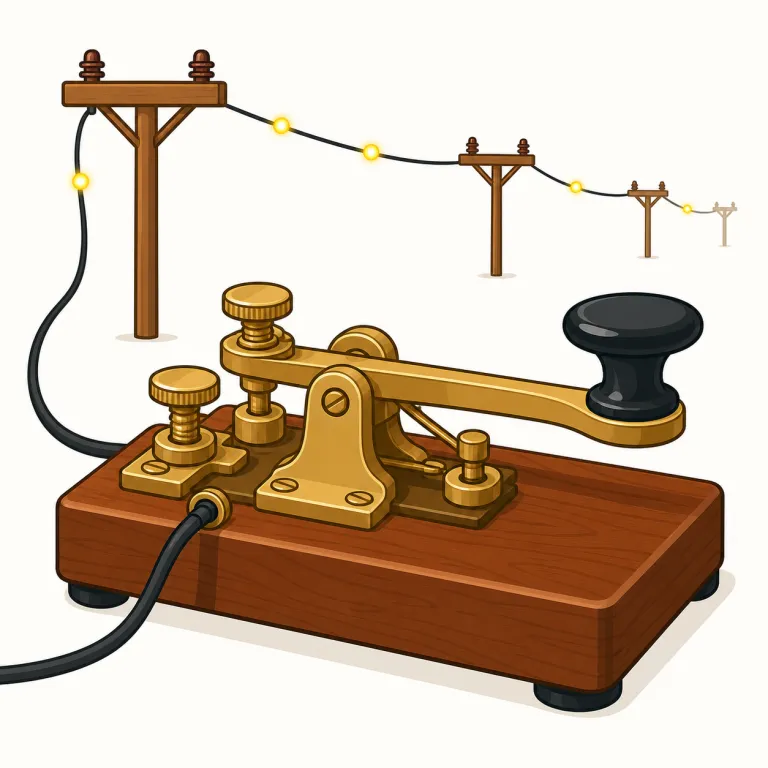
電信とは、電気を利用して距離を離れた場所に信号やメッセージを送信する通信方法です。19世紀から20世紀初期の重要な通信手段でした。
A telegraph is an old communication system that sent messages over long distances by electrical signals. It was an important method of fast communication before the telephone became common. The word is mainly used in history or discussions of early technology.
まず `tele-` を見たら telephone, television と同じ「遠くに届く」仲間だと捉えると覚えやすいです。さらに `graph` は photograph, graphic などの「書く・記録する」側の語感。合わせて telegraph は「遠くへ文字情報を送るもの」。意味は電話のような音声ではなく、短い文面を信号で送る通信手段だと整理すると定着します。`telegram` は送られるメッセージ本体、`telegraph` はその仕組み・装置寄り、という区別もセットで覚えると混同しにくいです。
Use the parts of the word: tele- means far, like in telephone and television, and -graph connects to writing or recording. So telegraph is about sending written information over a distance. Also separate it from telegram: the telegram is the message, while the telegraph is the system or machine.
The telegraph was invented in the 19th century.
電信は19世紀に発明されました。
People sent messages by telegraph over long distances.
人々は電信を使って遠くまでメッセージを送りました。
Before the telephone, people used the telegraph to communicate.
電話が発明される前、人々は電信を使って連絡を取り合っていました。
この語をはじめて出題された 48人 のうち 45人 が正解しました(94%)。
えいたんごクイズの回答から集計した独自データです。1人につき最初に出題されたときの1回だけを数えており、復習や2回目以降の回答、「わからない」と時間切れは含みません。 集計時点は 2026年9月19日 です。
文脈によって、次の意味でも使われます。
行動に移す前に、意図や次の動きを相手にはっきり悟らせることを指します。スポーツで攻撃を予告するような動きをする場合や、計画を不用意に見透かされる場合に使われ、実際の電信送信とは異なる比喩用法です。
telegraph はギリシャ語の tele「遠く」+ graph「書く」に由来し、フランス語 télégraphe を経て英語に入りました。原義は「遠くへ書いて伝えるもの」で、離れた場所に情報を送る装置だから「電信」となります。関連語に telephone, graphic があります。
Telegraph comes from Greek roots: tele, meaning "far," and graph, meaning "write." It entered English through French télégraphe. The name originally meant something like "writing at a distance." Related words include telephone and graphic, which share the same Greek parts.
この英単語をクイズで覚えよう