disadvantage
disadvantage は英検2級レベルの英単語で、「デメリット」という意味があります。発音記号は /ˌdɪsədˈvæntɪdʒ/ です。
デメリット
解説 Definition
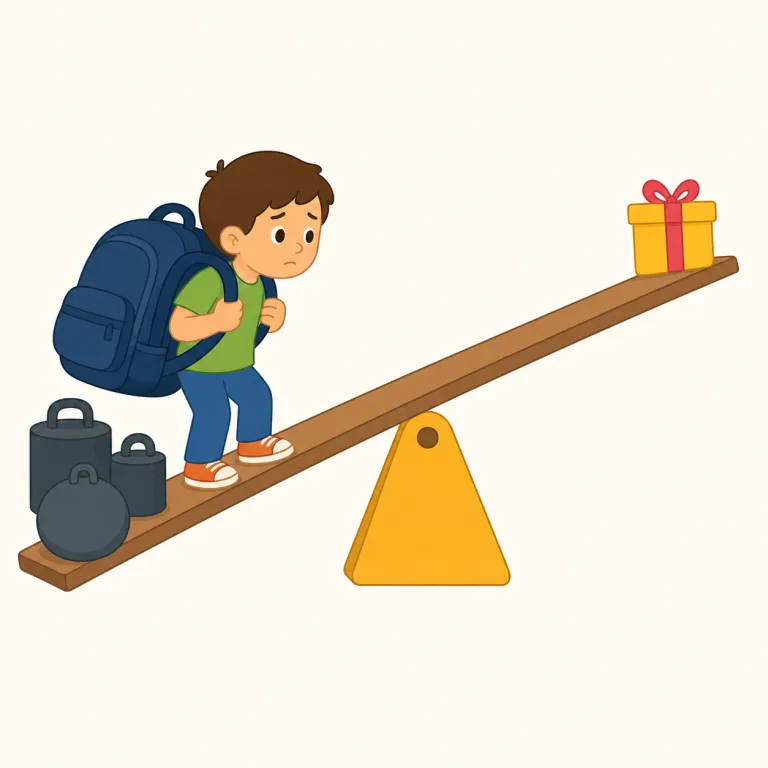
何かをするときに不利な状態や条件です。ある状況で勝ち目が薄かったり、利益や優位性を失った立場を指します。
A disadvantage is something that creates difficulty or makes a situation less favorable. It is the opposite of an advantage. The word is often used when comparing choices, conditions, or personal circumstances.
覚え方のコツ Memory Tip
まず基準語を advantage「有利さ」として固定し、dis- が付くと「その有利さが外れる」と考えると覚えやすいです。意味は単なる欠点というより、比較の中で不利な立場に置かれる感じ。the disadvantage of A や put A at a disadvantage の形が頻出です。欠陥そのものを言う defect、単なる不便さの inconvenience とは少し違い、「競争・選択・交渉で不利」という場面を思い浮かべると定着します。
Fix advantage first, then add dis- to flip it. The word often appears in comparisons, where someone is in a weaker position, not just facing a small problem. Remember useful patterns like the disadvantage of A and put someone at a disadvantage.
例文
The team started the game at a disadvantage due to missing players.
そのチームは選手が欠けているため、ゲームを不利な状態で始めました。
Working from home has some disadvantages compared to office work.
リモートワークはオフィスワークと比べていくつかの欠点があります。
She was at a disadvantage because she didn't have experience.
彼女は経験がなかったため不利な立場にありました。
えいたんごクイズでの正答率
この語をはじめて出題された 35人 のうち 32人 が正解しました(91%)。
えいたんごクイズの回答から集計した独自データです。1人につき最初に出題されたときの1回だけを数えており、復習や2回目以降の回答、「わからない」と時間切れは含みません。 集計時点は 2026年9月19日 です。
disadvantage の類義語・関連語
類義語
対義語
紛らわしい語
disadvantage の語源・成り立ち Etymology
disadvantage はフランス語 avantage「利益」を土台に、dis-「反対・欠如」が付いた語です。avant「前へ」が背景にあり、本来は「前に出る利」が advantage、そこから外れるので不利になり、advance や vantage にも同じ前進の感覚があります。
Disadvantage was formed by adding `dis-`, meaning reversal or lack, to `advantage`, a word that came through French. The older root is linked to the idea of being in front or moving ahead, which is also seen in `advance` and `vantage`. So the word originally suggested the loss of a favorable position, and it came to mean an unfavorable condition or lack of benefit.
同じレベルの語彙をもっと
英検2級の一覧へ →外部辞書で調べる
この英単語をクイズで覚えよう