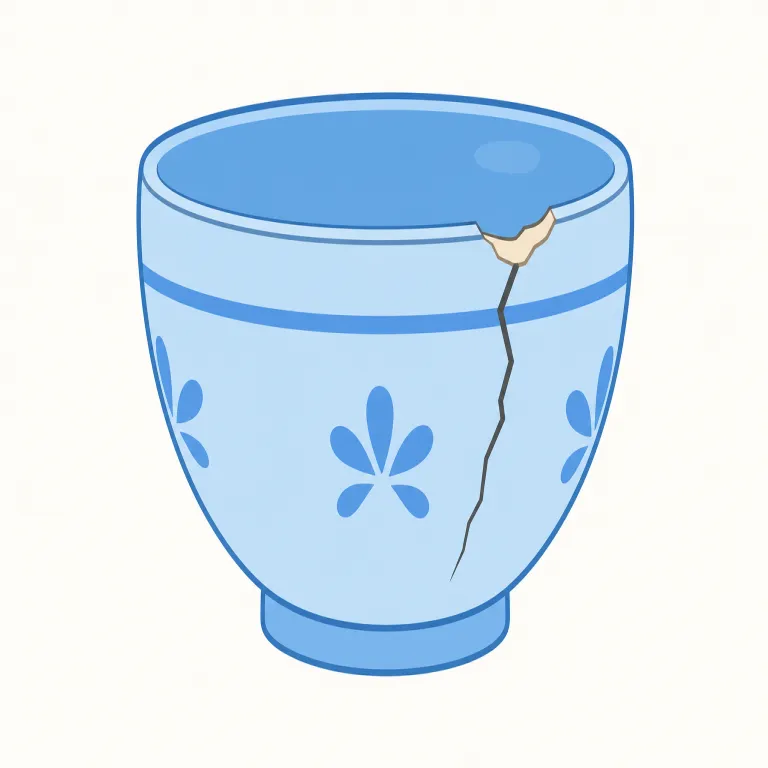
defect
defect は英検準1級・TOEIC 730・TOEFL 60・IELTS 5.5レベルの英単語で、「欠陥、亡命する、離反する」という意味があります。発音記号は /ˈdiːfɛkt/ です。
意味一覧 (3件)
欠陥
解説 Definition
製品や制度、計画などに備わっている不完全な点や不具合を指す名詞です。品質上の問題や設計上の弱点を述べるときによく使われ、単なる小さなミスより構造的な問題を含むことがあります。
覚え方のコツ Memory Tip
まず動詞 defect「離反する」を知っていると混乱しやすいので、ここでは名詞で「本来あるべきものが欠けている部分」と覚える。de- は「離れる・下がる」の感覚で、完璧な状態から一部が外れているイメージ。machine defect, battery defect のように、製品や仕組みの中にある不完全な点を指す。亡命や離反ではなく、品質や設計の「欠け・不具合」として定着させると混同しにくい。
例文
The engineer found a serious defect in the machine.
その技術者は機械に重大な欠陥を見つけた。
The company recalled the phones because of a battery defect.
その会社はバッテリーに欠陥があったため、その携帯電話を回収した。
A small defect in the design caused the bridge to fail.
設計上の小さな欠陥が原因で橋が崩落した。
亡命する
(意味 2)解説 Definition
故国を離れ、他の国に亡命することを意味する動詞。政治的な理由や迫害から逃げるため、異なる国に移住する。
To defect means to leave your country, group, or organization and join another one, often because of political or military disagreement. It is commonly used in serious situations involving governments, armies, or public figures. The word suggests a clear change of loyalty.
覚え方のコツ Memory Tip
まず名詞 defect「欠陥」を知っていると混乱しやすいので、ここでは動詞で「体制・陣営から離れて相手側へ移る」と覚える。de- は「離れる」の感覚。deficit / deficient と同じ仲間だと思うと「本来の側から外れる」イメージが残る。ニュースでは defect to another country, defect from the regime が典型で、emigrate のような一般の移住ではなく、忠誠や所属を捨てる政治的な離反・亡命を表す。
Use the prefix `de-` as a clue for "away" or "leave." A person who `defects` leaves one side and goes to another side, often in politics or government news. Remember the pattern `defect from` one group and `defect to` another.
例文
The political dissident defected to a neighboring country.
その政治的反対派は隣国に亡命した。
Many artists defected during the war to escape the regime.
戦争中、多くの芸術家がその政権から逃れるために亡命した。
He defected with sensitive government documents.
彼は政府の機密文書を持って亡命した。
離反する
(意味 3)解説 Definition
所属していた組織、陣営、国などを見限って離れ、別の側につくことを表します。政治、軍事、競争関係などで、忠誠や支持を捨てて寝返るというニュアンスで使われます。
覚え方のコツ Memory Tip
まず名詞 defect「欠陥」と同形なので、ここでは動詞で「体制・陣営から離れて相手側へ移る」と切り分けて覚えましょう。de- の「離れる」感覚を手がかりに、本来いた側から離れて忠誠や所属を捨てるイメージを作ると残りやすいです。ニュースでは defect to another country, defect from the regime が典型で、emigrate のような一般の移住ではなく、政治的・軍事的な離反や亡命を表します。
例文
Several soldiers defected to the enemy side.
数人の兵士が敵側に離反した。
A senior official defected during the civil war.
その高官は内戦中に離反した。
Some voters may defect from the ruling party.
一部の有権者は与党から離反するかもしれない。
defect の類義語・関連語
defect の語源・成り立ち Etymology
defect はラテン語 deficere に由来し、de-「離れて」+ facere「する・作る」から成ります。原義は「役目から離れる・不足する」で、deficit や deficient も同根なので、そこから本来満たすべき状態に足りない部分、つまり「欠陥」という意味が生まれました。
同じレベルの英単語をもっと
英検準1級の一覧へ →外部辞書で調べる
この単語を英単語クイズで覚えよう