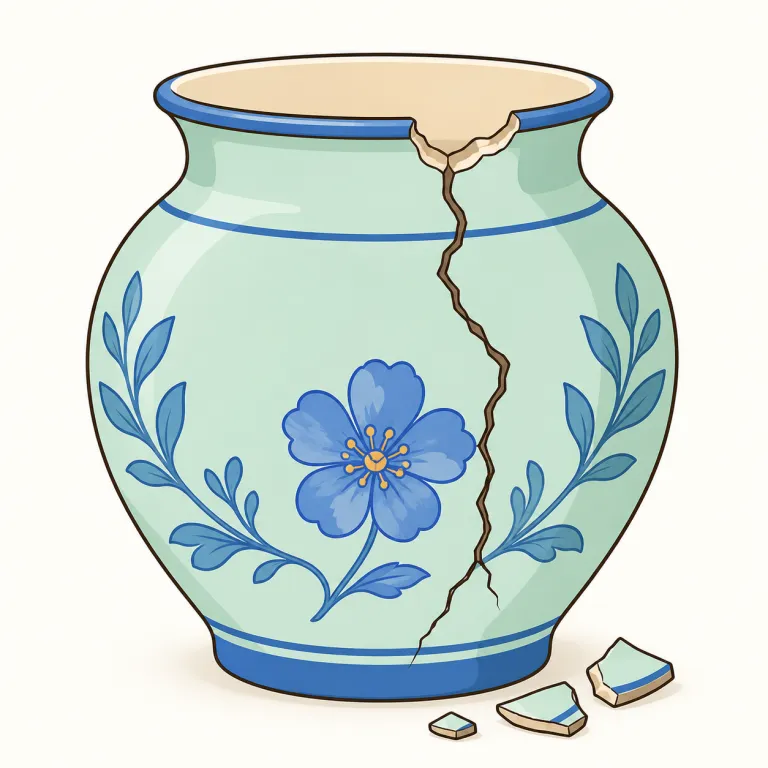
flaw
flaw は英検準1級・TOEIC 860・TOEFL 80・IELTS 6.5レベルの英単語で、「欠陥」という意味があります。発音記号は /flɔː/ です。
欠陥
解説 Definition
何かに不完全さがあったり、欠けている部分があることを意味します。理想的ではない部分や改善の余地があることを表します。人格や物体の弱点を指すこともあります。
A flaw is a weakness, fault, or small defect in something. It can refer to a physical problem in an object or a mistake in a plan, system, or person's character.
覚え方のコツ Memory Tip
flaw は flaw-less(欠点がない)とセットで覚えると定着しやすい語です。flaw があれば flawless ではない、と対で押さえるのが近道。使い方は a design flaw, a fatal flaw, flaws in the argument が頻出で、「設計・計画・議論の中にある弱点」という場面でよく出ます。fault よりも、その場のミスより「もともと内在する欠陥」に寄りやすく、crack のような目に見える割れそのものではなく、そこから見つかる欠点を指すことが多いです。
Remember it with the opposite-style word `flawless`: if something is flawless, it has no flaw. A `flaw` is often a built-in weakness, so phrases like `design flaw` and `fatal flaw` are useful memory hooks. It is often less about one mistake and more about a weak point inside something.
例文
The diamond had a small flaw on its surface.
そのダイヤモンドの表面には小さな傷があった。
No one is perfect; everyone has some flaws.
誰も完璧ではない。皆何らかの欠点を持っている。
The main flaw in his argument was the lack of evidence.
彼の主張の主な欠点は証拠の不足だった。
えいたんごクイズでの正答率
この語をはじめて出題された 36人 のうち 28人 が正解しました(78%)。
えいたんごクイズの回答から集計した独自データです。1人につき最初に出題されたときの1回だけを数えており、復習や2回目以降の回答、「わからない」と時間切れは含みません。 集計時点は 2026年9月19日 です。
flaw の類義語・関連語
類義語
紛らわしい語
flaw の語源・成り立ち Etymology
flaw は中英語を経て古ノルド語系の「裂け目・欠け」にさかのぼる語とされ、もとは物のひびを指しました。そこから「見えない傷」へ広がって欠陥の意に。関連語に flake, flag があり、はがれる感覚が通じます。
Flaw probably comes from a Scandinavian source through Middle English, and it first referred to a crack, splinter, or break in a material object. From the idea of a visible split or damage, it later came to mean any fault or weakness. The shift is from a physical mark to an abstract defect. It may be loosely connected in sense to words like flake, which suggest breaking off.
同じレベルの語彙をもっと
英検準1級の一覧へ →外部辞書で調べる
この英単語をクイズで覚えよう