意味一覧 (3件)
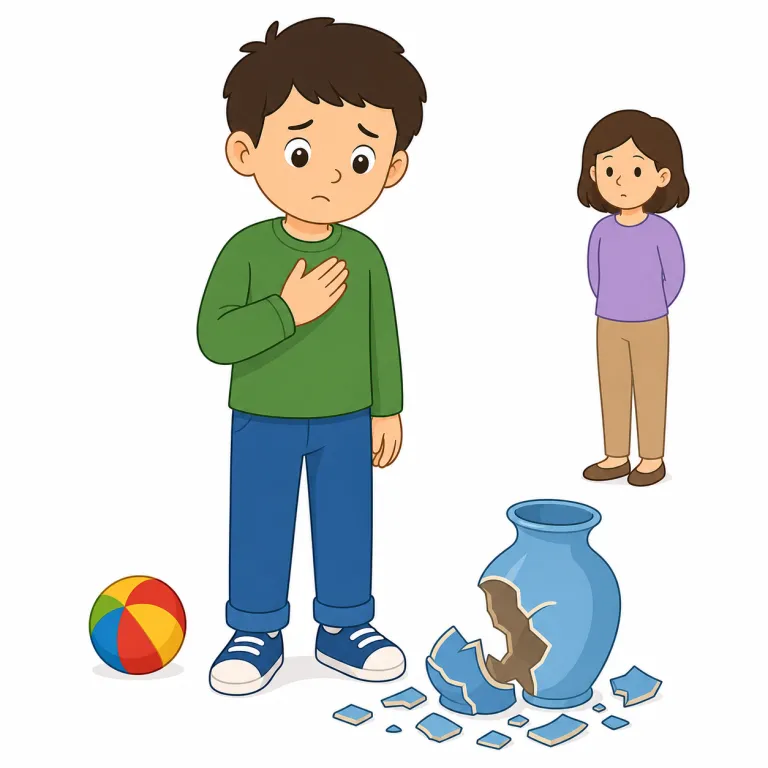
責任
解説 Definition
問題や失敗について、原因や非が誰にあるかを表す名詞。所有格を伴って自分や相手の落ち度を示し、誰の責任かを述べるときによく使う。強い非難にも軽い謝罪にも使えるため、日常会話でも文章でも責任の所在を示す語として非常に頻出する。
Responsibility for causing a problem, failure, or accident. It often follows a possessive form to identify whose action or carelessness caused what happened.
覚え方のコツ Memory Tip
fault はまず「どこかが正常ではない状態」とひとまとめにすると覚えやすいです。そこから機械なら「故障」、物なら「欠陥」、人なら「落ち度・責任」に広がります。fail や default と同じく「うまく働かない/基準から外れる」仲間だと見ると定着しやすいです。使い方は a fault in the system, find/fix a fault が頻出で、会話では It’s my fault. や be at fault も非常によく出ます。mistake が一回のミス寄りなのに対し、fault は原因・欠陥そのものを指しやすい、と区別すると混同しにくいです。
Think of something going wrong and ask who caused it. Phrases such as "my fault," "her fault," and "be at fault" identify the person who bears responsibility.
例文
It was my fault that we missed the train.
電車に乗り遅れたのは私の責任だった。
Don't blame her; the mistake wasn't her fault.
彼女を責めないで。そのミスは彼女のせいではなかった。
The accident was partly his fault.
その事故については、彼にも一部責任があった。
欠点
(意味 2)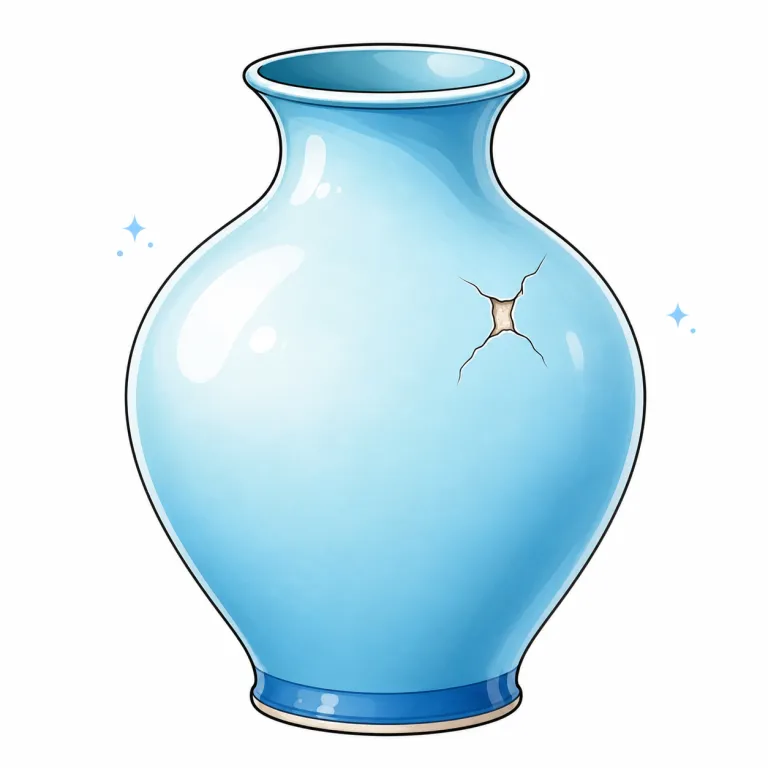
解説 Definition
人や物事にある望ましくない点や、不十分で問題を生む部分を指す名詞。性格上の弱み、計画の穴、設計や文章の欠陥など、機械の故障ではなく質や内容の不完全さを述べるときに使う。改善すべき点を客観的に挙げる響きがある。
An undesirable or imperfect part of a person's character, a plan, a design, or another thing. It is a weakness in quality or content that may cause problems and should be improved.
例文
His only fault is that he trusts people too easily.
彼の唯一の欠点は、人を簡単に信じてしまうことだ。
The report points out several faults in the plan.
その報告書は、その計画のいくつかの欠点を指摘している。
The design has a serious fault.
その設計には重大な欠陥がある。
故障
(意味 3)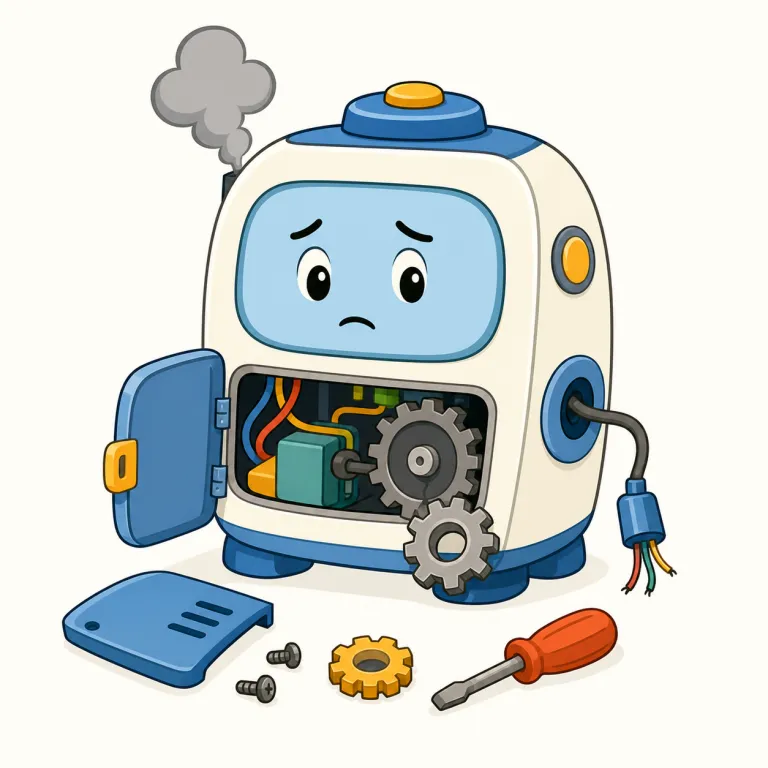
解説 Definition
故障とは、機械や装置が正常に動作しなくなった状態を指します。電子機器、車、パソコンなど、様々なものに対して使われます。
A fault is a problem or defect that stops a machine, system, or device from working correctly. It is commonly used when talking about technical trouble, damage, or failure. In this meaning, it is close to malfunction or breakdown.
例文
The engine has a fault and needs to be repaired.
そのエンジンは故障があり、修理が必要です。
There is a fault in the electrical system of the building.
その建物の電気システムに故障があります。
The washing machine developed a fault after a year of use.
洗濯機は1年使った後に故障しました。
fault の類義語・関連語
対義語
紛らわしい語
fault の語源・成り立ち Etymology
古フランス語 faute を経て、俗ラテン語 fallita、さらにラテン語 fallere(欺く、期待を外す)にさかのぼります。もとは「うまくいかない」「欠けがある」という感覚で、そこから欠点や責任、機械の「故障」という意味にも広がりました。関連語は fail、default です。
It came through Old French faute and Vulgar Latin fallita from Latin fallere, meaning "to deceive" or "to disappoint." The idea of something going wrong developed into the sense of responsibility for that problem.
同じレベルの語彙をもっと
外部辞書で調べる
この英単語をクイズで覚えよう