blame
blame は英検準2級・英検2級・英検準1級・TOEIC 600レベルの英単語で、「責める、責任、非難、非難」という意味があります。発音記号は /bleɪm/ です。
意味一覧 (3件)
責める
解説 Definition
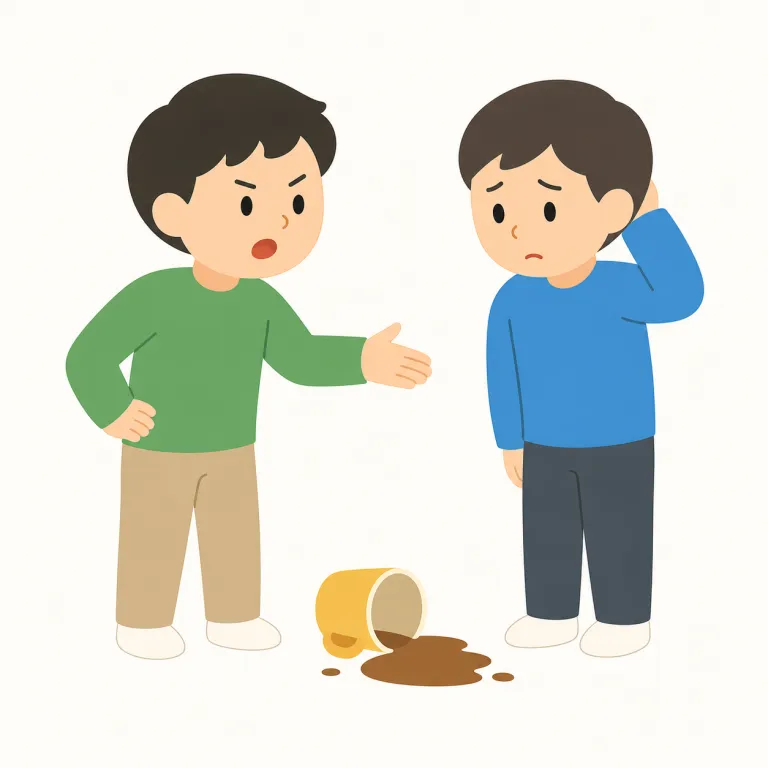
悪い結果や問題について、原因や責任を人・物・状況に結びつけて「〜のせいだ」と責める動詞です。感情的に非難する場合にも、冷静に責任を指摘する場合にも使われます。
To blame someone means to say that they are responsible for a mistake, problem, or bad result. It is often used in situations involving criticism or fault. The word can also be used for blaming yourself or blaming something for causing trouble.
覚え方のコツ Memory Tip
動詞 blame は blame A for B の形で覚えるのが実用的です。A が責められる相手、B がその理由で、「BについてAを責める」となります。名詞の「責任・非難」を相手に向ける動作が動詞化したものと考えると自然です。criticize は内容を批判するだけの場合もありますが、blame は悪い結果の原因を相手に割り当てる感じが中心です。
Picture someone lightly pulling your leg just to make you lose balance for a second. That image helps you remember this is playful, not cruel. You often hear it in the question `Are you pulling my leg?` when someone says something hard to believe.
例文
The media blamed the politician for the scandal.
メディアはスキャンダルについてその政治家を非難した。
She blamed him for the accident.
彼女は事故について彼を非難した。
Don't blame others for your mistakes.
自分の過ちについて他の人を非難してはいけません。
責任、非難
(意味 2)解説 Definition
事故・失敗・不祥事のあとで問題になる「責任の所在」や、そこに向けられる非難を表す名詞です。take the blame は自分が引き受ける責任、put/place the blame on ... は責任を相手に置く表現です。
To dip something means to put part of it into a liquid for a short time and then take it out. You might dip a brush into paint, bread into soup, or your toes into water. The key idea is a quick touch, not pushing the whole thing deeply under.
覚え方のコツ Memory Tip
名詞の blame は、責める声そのものよりも「誰のせいと見なされるか」という重みを表す語として覚えると整理しやすいです。take the blame なら、結果の悪さを自分の責任として受けること。share the blame なら、責任が一人に限られない状況です。fault が「落ち度」に近いのに対し、blame は周囲から向けられる非難や責任追及の空気まで含みます。
Think of common patterns like dip a brush in paint or dip bread into soup. Dip often involves only part of something and only for a moment. Unlike immerse or submerge, it feels light and brief, which also makes it easier to understand the noun dip for a sauce you put food into.
例文
She dipped the bread into the soup.
彼女はパンをスープに浸した。
He dipped his brush in the paint before touching the canvas.
彼はキャンバスに触れる前に、筆を絵の具につけた。
I dipped my feet in the cold water after the long walk.
長く歩いたあと、私は冷たい水に足を浸した。
非難
(意味 3)解説 Definition
名詞のblameは、ある人や組織に向けられる非難やとがめを指すこともある。責任の所在そのものより、周囲が否定的に評価して責め立てるニュアンスが強い。receive blame や face blame の形で、世間や他人からの厳しい反応を述べるときによく使う。
As a noun, blame means criticism or disapproval directed at a person, group, or organization because something bad has happened. It often focuses less on the exact legal responsibility and more on the negative reaction from other people. It is common in phrases such as receive blame or face blame when someone is strongly criticized by the public or by others.
覚え方のコツ Memory Tip
まず名詞でも blame は「非難・責任」で、動詞でも形が同じ。blame A for B は「BのことでAを責める」、be to blame は「責任がある」という定番セットで覚えると使い回しやすい。ポイントは、ただ怒るのではなく「原因をその人のせいにする」こと。blame yourself / blame the weather / blame the government のように、失敗の原因へ責任を向ける場面を思い浮かべると定着する。accuse は犯罪・不正を告発する響きが強く、blame のほうが日常的な非難。
Remember that blame can be both a noun and a verb with the same form. Useful patterns are blame A for B, meaning to criticize A because of B, and be to blame, meaning to be responsible. The key idea is not just being angry, but putting the cause of a problem on someone or something, as in blame yourself, blame the weather, or blame the government. Accuse sounds stronger and is often linked to crimes or wrongdoing, while blame is more common in everyday criticism.
例文
The manager received much of the blame for the failed project.
その失敗した計画について、管理者が多くの非難を受けた。
After the accident, the company faced blame from local residents.
事故の後、その会社は地元住民から非難を浴びた。
There was plenty of blame to go around, but no one wanted to accept it.
非難されるべき点は多かったが、誰もそれを受け入れようとしなかった。
blame の類義語・関連語
blame の語源・成り立ち Etymology
古フランス語 blasmer から。さらに後期ラテン語 blasphemare(冒涜する)、ギリシャ語 blasphēmein に遡る。「神を冒涜する→非難する→責める」と意味が一般化した。関連語:blaspheme(冒涜する)、blameless(非の打ちどころのない)。
Blame came from Old French blasmer, which goes back to Late Latin blasphemare and Greek blasphēmein. It originally had the strong sense of speaking badly or irreverently, especially in religious language. Over time, the meaning became more general, changing from "blaspheme" to "criticize" and then "hold responsible."
外部辞書で調べる
この単語を英単語クイズで覚えよう