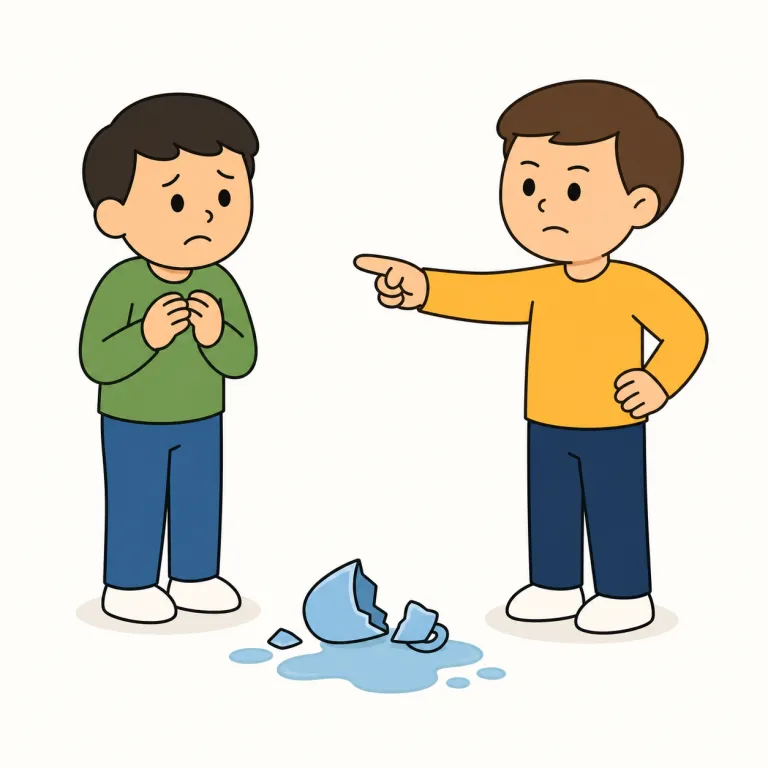
blame for
blame for は英検2級・TOEIC 600レベルの英単語で、「責める、せいにする、非難する」という意味があります。発音記号は /ˈbleɪm ˈfɔːr/ です。
責める
解説 Definition
何か悪い結果に対して責任があると人や物事のせいにする表現。行動や判断を咎めるために使われ、口語でも書き言葉でも頻繁に登場する。たとえばミスの原因を明らかにするときに「blame for ~」を続ける。
To blame someone for something means to say or believe that they are responsible for a mistake, problem, or bad result. It is commonly used when talking about fault, and it often has a negative emotional tone.
覚え方のコツ Memory Tip
このエントリでは、blame for を「人や物事に責任を負わせる、せいにする」という感覚で覚えるとよいです。基本義の「非難する」と近い形ですが、ここでは非難の言葉そのものより、悪い結果の原因や責任をどこに置くかが中心です。blame A for B の型で、A が責任を向けられる対象、B が問題や行動を表します。No one can blame her for leaving. のように「そうしても無理はない」という形でもよく出ます。
Think of `for` as the marker that shows the reason: `blame A for B`. You blame someone for a result, action, or problem. Compare it with `accuse ... of ...`, which often sounds stronger and more connected to crime or wrongdoing.
例文
The manager blamed the team for the missed deadline and asked for a recovery plan.
マネージャーは期日に間に合わなかったことをチームのせいにして、立て直し案を求めた。
No one can blame her for wanting a quieter neighborhood after the last experience.
前の出来事の後で静かな住まいを望む彼女の気持ちは責められない。
せいにする
(意味 2)解説 Definition
悪い結果や問題の原因を、ある人・物・出来事に求めるときの表現です。相手を強く非難するというより、「それが原因だった」と見なして責任や理由をそこに置く文脈でよく使われます。ニュースや会話では、遅れ・失敗・事故などの理由を述べるときに自然です。
"Blame for" is used when you say that a person, thing, or event was the cause of a bad result or problem. It often appears when talking about delays, mistakes, accidents, or failures. The expression does not always sound very strong or emotional; it can simply mean that you see something as the reason. It is common in both everyday conversation and news reports.
覚え方のコツ Memory Tip
まず blame を単体で「非難する」と押さえ、for は「何の件で責めるのか」を示す目印として覚えると整理しやすいです。形は blame A for B で「AをBのことで責める」。I can’t blame him for leaving. のように、行動の理由への評価でよく出ます。accuse ... of ... は「罪・不正を आरोपする」感じで強め、blame ... for ... はもっと広く失敗や悪い結果の責任を向ける表現です。
First remember blame by itself as "say someone is responsible" or "criticize." Then use for as a marker that introduces the reason: blame A for B means "say A is responsible for B." This helps you separate it from accuse ... of ..., which is usually stronger and often used for crimes or dishonest actions.
例文
Many people blame the heavy traffic for the delay.
多くの人がその遅れをひどい渋滞のせいにした。
She was blamed for the mistake, even though she was not working that day.
彼女はその日働いていなかったのに、そのミスのせいにされた。
The report blames poor maintenance for the accident.
その報告書は事故の原因を整備不足にあるとしている。
非難する
(意味 3)解説 Definition
blame A for B は、問題や失敗の原因をAにあるとして非難する表現。人だけでなく、制度・状況・判断などを悪い結果の原因として取り上げる場面でも使われる。特に責任の所在を示す文脈でよく出る。
"Blame A for B" means to say that A is responsible for a problem, mistake, or bad result. You can use it for people, but also for systems, situations, decisions, or other things that caused something negative. It often appears when you want to show where responsibility lies.
覚え方のコツ Memory Tip
blame は単体で「悪い結果の責任を向ける」と考えると覚えやすいです。for は「何について非難するのか」を示す合図で、形は blame A for B。「AをBのことで非難する」と整理できます。criticize は欠点を批判する広い語、accuse は罪や不正を責め立てる強めの語。blame for は失敗・事故・問題の原因を誰かや何かに結びつける場面で特によく使います。
Think of blame as pointing responsibility for something bad at a person or thing. The word for gives the reason: blame A for B. This helps you remember the pattern as "blame someone or something for a problem, mistake, or bad result."
例文
Many people blame the government for the sudden rise in prices.
多くの人が物価の急な上昇を政府のせいだと非難している。
She was blamed for the team’s failure, even though the decision was not hers alone.
その判断は彼女だけのものではなかったのに、チームの失敗を彼女のせいだと非難された。
Some critics blame poor planning for the delays in the project.
その計画の遅れは準備不足が原因だと非難する批評家もいる。
blame for の語源・成り立ち Etymology
blame は古フランス語 blasmer からで、さらに後期ラテン語 blasphemare、ギリシャ語 blasphemein「悪く言う」にさかのぼります。もとは「ののしる・非難する」で、そこに for が付いて「その件で責任を負わせる」つまり「責める」になりました。関連語は blaspheme、blameless です。
Blame comes through Old French blasmer from Late Latin blasphemare and Greek blasphemein, originally meaning "to speak badly of." It first had the sense of insulting or criticizing someone. In English, it developed into assigning fault, and with for it clearly marks the reason or act someone is held responsible for; related words include blaspheme and blameless.
外部辞書で調べる
この単語を英単語クイズで覚えよう