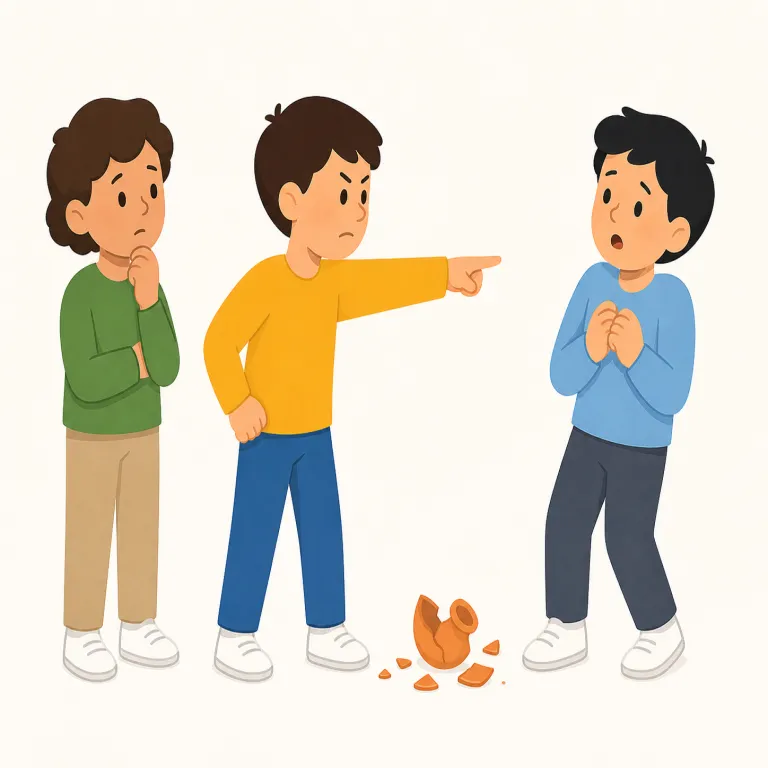
accuse
accuse は英検2級・TOEIC 730・TOEFL 60・IELTS 5.5レベルの英単語で、「告発する、非難する」という意味があります。発音記号は /əˈkjuːz/ です。
意味一覧 (2件)
告発する
解説 Definition
人を非難する、罪に問う。ある人が悪いことをしたと指摘したり、告発したりすることです。
To accuse someone means to say that they have done something wrong, illegal, or dishonest. This word is often used in legal, social, and personal situations, and it does not always mean the person is proven guilty.
覚え方のコツ Memory Tip
accusation(告発・非難)や accused(被告)とセットで覚えると定着しやすい語です。語頭の ac- は ad- 系の形で、後ろの cause を見て「理由・根拠を相手に突きつける」感覚を持つと意味がまとまります。基本形は accuse A of B(AをBで告発する)。単なる blame が「悪いと責める」なのに対し、accuse は罪や不正をはっきり指摘する強い語。crime, theft, lying など具体的な内容と一緒に覚えると使い所が見えます。
Remember `accuse` together with its word family: `accusation` and `the accused`. The most useful pattern is `accuse A of B`, so memorize the whole frame, not just the word alone. It is stronger and more formal than `blame`, especially with things like crime, theft, or lying.
例文
The police accused him of stealing the bike.
警察は彼を自転車を盗んだとして告発しました。
She accused him of not keeping his promise.
彼女は彼が約束を守らなかったと非難しました。
Do not accuse someone without solid evidence.
確実な証拠なしで誰かを告発してはいけません。
えいたんごクイズでの正答率
この語をはじめて出題された 51人 のうち 40人 が正解しました(78%)。
えいたんごクイズの回答から集計した独自データです。1人につき最初に出題されたときの1回だけを数えており、復習や2回目以降の回答、「わからない」と時間切れは含みません。 集計時点は 2026年9月19日 です。
非難する
(意味 2)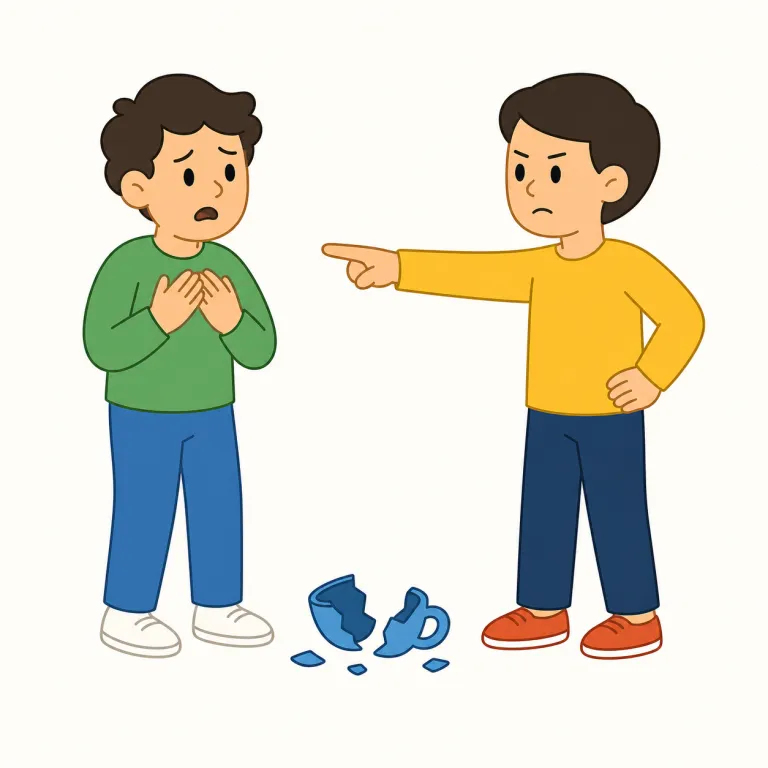
解説 Definition
人や行動に問題があるとして責任を向け、よくないと強く言う意味。犯罪として訴える場合に限らず、失敗や遅れ、無責任な態度などについて「あなたのせいだ」と責めたり非難したりする日常的な文脈でよく使う。相手への批判や不満を含みやすい。
To say that someone has done something wrong, expressing blame or criticism. In everyday disagreements, it is used to point to specific behavior such as lying, neglecting a problem, or failing to make an effort.
例文
She accused him of lying to everyone.
彼女は彼がみんなにうそをついていると非難した。
The coach accused the team of not trying hard enough.
監督は努力が足りないとしてチームを非難した。
He was accused of ignoring the problem for too long.
彼はその問題を長く放置したとして非難された。
accuse の類義語・関連語
accuse の語源・成り立ち Etymology
古フランス語 acuser を経て、ラテン語 accusare に由来します。ad-「〜へ」+ causa「訴訟・理由」からできており、「相手に罪の理由を持ち出して訴える」感覚から「告発する」になりました。関連語は cause、accusation。
Accuse came into English through Old French acuser from Latin accusare. It is linked to causa, meaning "reason," "case," or "legal charge," with the sense of bringing a case against someone. The meaning then narrowed to formally saying that a person did something wrong. Related words include cause and accusation.
同じレベルの語彙をもっと
英検2級の一覧へ →外部辞書で調べる
この英単語をクイズで覚えよう