義務を免除する、負担から解放する
verb 動詞人を義務、金銭的負担、職務などから正式に解放すること。通常は exonerate A from B の形を取り、法律や契約などの硬い文脈で使われる。無実を証明して非難を解く用法とは異なる。
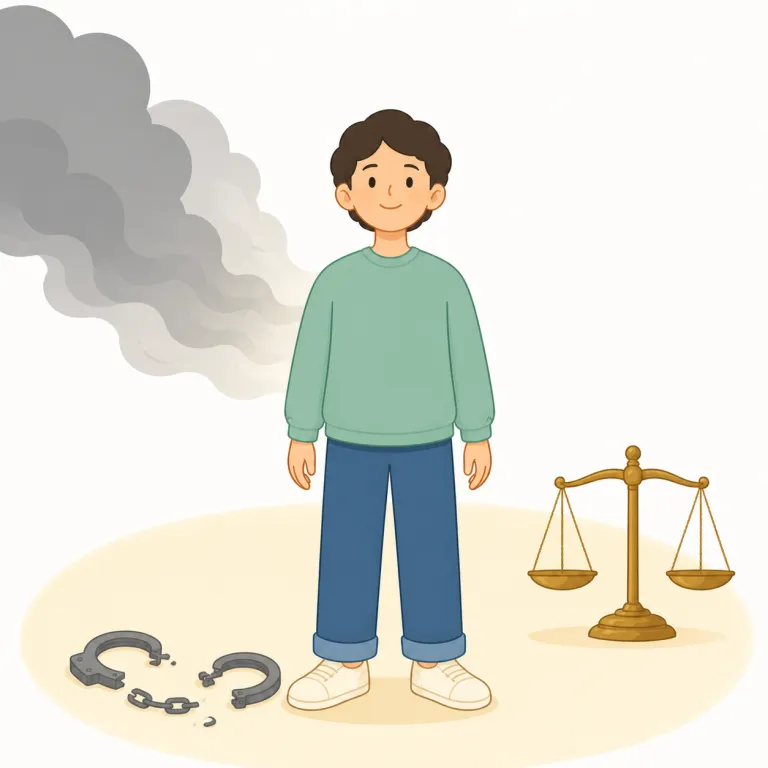
exonerate は英検1級レベルの英単語で、「無実を証明する、容疑を晴らす」という意味があります。発音記号は /ɪɡˈzɑːnəˌreɪt/ です。
人にかけられた罪や責任、疑いが事実ではないと示し、その人を非難や処罰の対象から外すことを表す語です。特に法律や捜査の文脈で、証拠や調査結果によって無実が正式に明らかになり、責任を問えないと判断される場合によく使われます。
To exonerate means to officially show that someone is not guilty of a crime, blame, or wrongdoing. It is often used in legal or formal situations when evidence clears a person. The word suggests complete removal of blame.
exonerate は「疑い・責任をその人から外す」と捉えると覚えやすい。ex- は exit / exclude のように「外へ」の感覚があり、容疑を外してやる動き。日常の軽い excuse や defend ではなく、証拠や再調査で正式に潔白が示されるときに使う。be exonerated by new evidence, exonerate the suspect の形で見ると定着しやすい。clear より法的で、acquit と近いが、無実をはっきり裏づける感じが強い。
Use the prefix `ex-`, which often suggests moving something out or away. In `exonerate`, the idea is taking blame or suspicion away from a person. It sounds more official than `excuse` and often appears with legal phrases like `exonerated by new evidence`.
The new evidence helped exonerate the wrongly convicted prisoner.
新たな証拠は、不当に有罪判決を受けた囚人の無実を証明する助けとなった。
The investigation completely exonerated her of any wrongdoing.
その調査により、彼女に不正行為がなかったことが完全に証明された。
The DNA test was able to exonerate the suspect in the case.
DNA検査により、その事件の容疑者の無実が証明された。
文脈によって、次の意味でも使われます。
人を義務、金銭的負担、職務などから正式に解放すること。通常は exonerate A from B の形を取り、法律や契約などの硬い文脈で使われる。無実を証明して非難を解く用法とは異なる。
exonerate はラテン語 exonerare に由来し、ex-「外へ」+ onus「荷・重荷」から成る。もとは「荷を下ろす」で、そこから罪や責任の重荷を取り除く、つまり「無罪を晴らす」となる。onus や onerous が関連語。
Exonerate comes from Latin exonerare, from ex- "out of" and onus "burden" or "load." Its earliest sense was to unload or free from a burden. From there, it developed the figurative idea of removing the burden of blame or guilt. Related English words include onus and onerous.
この英単語をクイズで覚えよう