余波、後遺症
noun 名詞大きな事件・危機・衝撃的な出来事が終わった後も続く、二次的な影響や動揺を比喩的に指す。経済危機の余波や社会的な不安などに用いられ、地震ではなく出来事の残した影響を強調する。
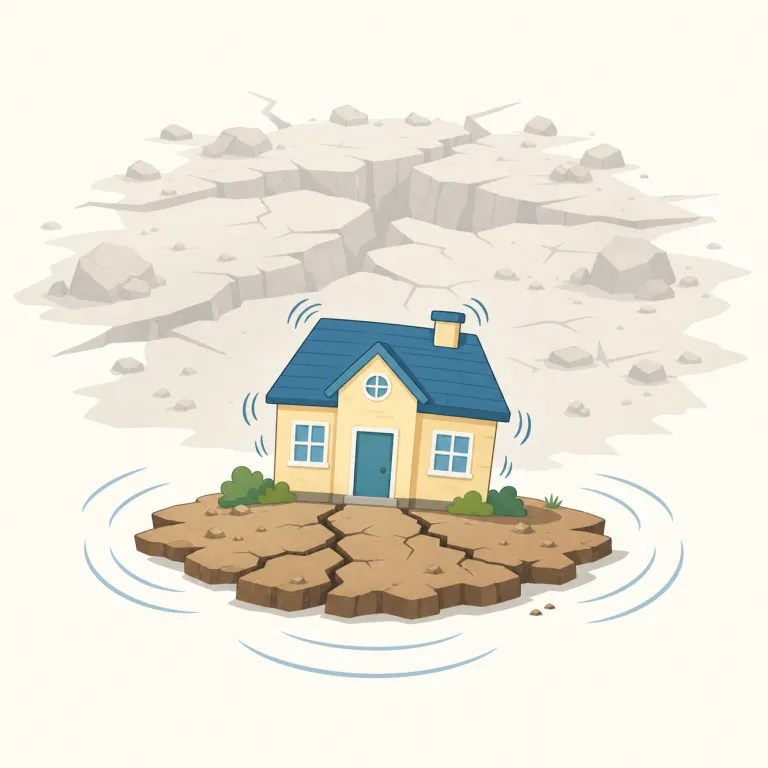
地震の後に続く比較的小さな地震を意味します。本震の後に周辺地域で起こる揺れのことです。
An aftershock is a smaller earthquake that happens after a larger one in the same area. It is caused by the ground continuing to move and settle. The word is mostly used in news, science, and disaster-related contexts.
まず after「後」と shock「衝撃」に分けると、"本震の後に来る衝撃" で意味がかなり見えます。shock 単独は突然の衝撃・ショック全般ですが、aftershock は地震の文脈にほぼ固定される語です。news では aftershocks followed the main quake の形で覚えると定着しやすいです。aftermath は「余波・ последствия・結果」で、揺れそのものではない点をセットで区別すると混同しにくくなります。
Split it into `after` + `shock`. That gives you the strong memory hook: a shock that comes after the main event. Keep it close to earthquake news, especially phrases like `aftershocks followed the main quake`.
The aftershock was felt throughout the city minutes after the main earthquake.
余震は本震の数分後に市全体で感じられました。
Scientists warned residents to prepare for possible aftershocks.
科学者は住民に余震の可能性に備えるよう警告しました。
Several aftershocks were recorded in the region following the magnitude 7 earthquake.
マグニチュード7の地震の後、その地域で複数の余震が記録されました。
文脈によって、次の意味でも使われます。
大きな事件・危機・衝撃的な出来事が終わった後も続く、二次的な影響や動揺を比喩的に指す。経済危機の余波や社会的な不安などに用いられ、地震ではなく出来事の残した影響を強調する。
aftershock は after「あとで」+ shock「衝撃」の古英語・フランス語系の複合語です。aftermath や shockwave と比べると、意味は文字どおり「後から来る衝撃」。本震のあとにもう一撃くるという時間差の像が、そのまま「余震」を言い当てています。
Aftershock is a compound of after and shock. After comes from Old English, while shock came into English through French from a word for a violent collision or blow. The meaning stayed very direct: it first meant a shock that comes later, and then became the usual word for a smaller earthquake following the main one.
この英単語をクイズで覚えよう