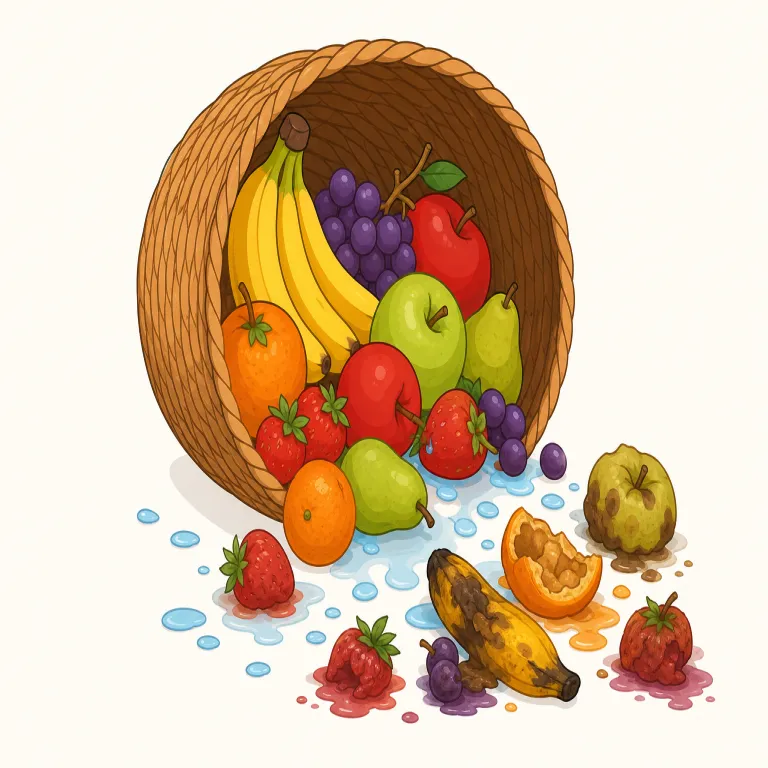
人員の自然減
noun 名詞主に英国用法で、退職・死亡などによって組織の人員が自然に減ること、またはその減少数を指す。natural wastageの形が典型で、解雇せず欠員を補充しないことで人員を縮小する文脈でも使われる。
材料・食料・時間・資源などが有効に使われず、無駄に失われたり余計に消費されたりすることを指す名詞。製造、流通、家庭など幅広い場面で、不要な損失やロスとして問題にされる。
Wastage is the amount of something that is lost, wasted, or damaged so it cannot be used. It is common in business, manufacturing, food production, and other situations where people measure efficiency and loss.
waste を知っていれば覚えやすい語。-age は「状態・量」を名詞化することが多く、wastage は「無駄にしてしまった分・ロス全体」。単なる waste より、製造・食品・時間管理で“どれだけ失われたか”をやや客観的に数える感じが出る。food wastage, material wastage, reduce wastage の形でまとめて覚えると実戦的。wasteful は「無駄の多い」という形容詞なので区別。
If you know `waste`, `wastage` is easy: `-age` often turns an idea into a thing you can measure. So this word often appears when people talk about the amount lost, especially in business, food, or materials. Remember collocations like `food wastage` and `reduce wastage`.
The company implemented measures to reduce wastage of materials.
その会社は材料のロスを減らすための対策を導入した。
Food wastage is a serious issue affecting the entire world.
食品ロスは世界全体に影響を与える深刻な問題だ。
The negligent employee caused significant resource wastage.
その従業員の不注意により、多くの資源が無駄になった。
文脈によって、次の意味でも使われます。
主に英国用法で、退職・死亡などによって組織の人員が自然に減ること、またはその減少数を指す。natural wastageの形が典型で、解雇せず欠員を補充しないことで人員を縮小する文脈でも使われる。
wastage は waste に名詞語尾 -age が付いた語で、waste は古フランス語を経てラテン語 vastus「空っぽの・荒れた」にさかのぼります。vast や devastate と同根で、物が使われず減る・荒れる感覚から「無駄遣い」「損耗」の意味が生まれました。
Wastage is built from waste and the noun ending -age. Waste came through Old French from Latin vastus, meaning "empty," "desolate," or "laid waste." From the idea of things becoming empty, ruined, or unused, the word developed the sense of loss, unnecessary use, or reduction. Related English words include vast and devastate.
この英単語をクイズで覚えよう