waste
waste は英検4級・TOEIC 730・TOEFL 60・IELTS 5.5レベルの英単語で、「廃棄物、無駄、浪費」という意味があります。発音記号は /weɪst/ です。
意味一覧 (2件)
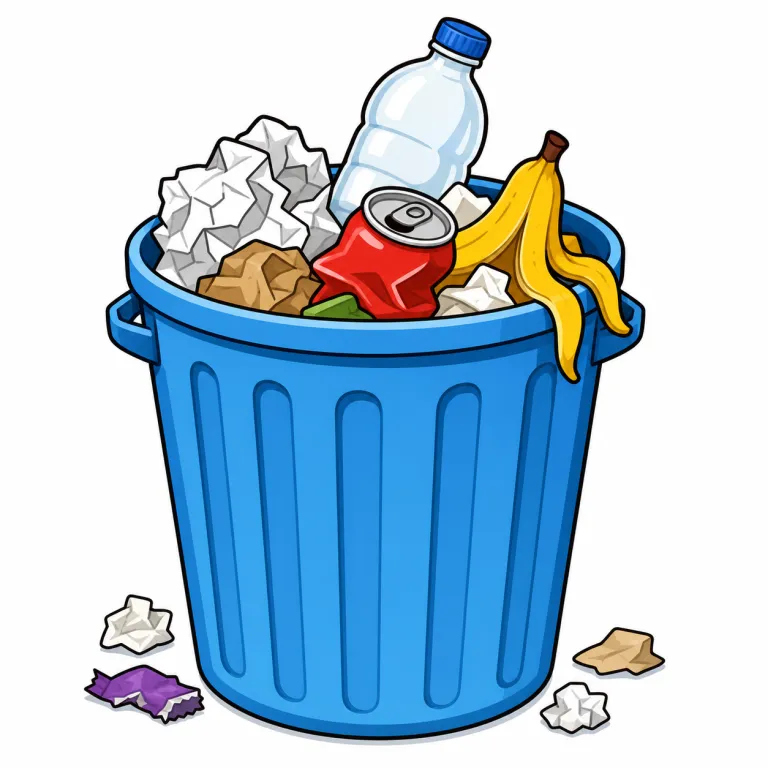
廃棄物
解説 Definition
使い終わって不要になったものや、製造・消費の過程で生じて処分が必要になる物質を指す名詞。家庭ごみや産業廃棄物のように、回収・再利用・焼却・埋め立てなどの対象となるもので、環境保全や衛生管理の文脈でよく使われる。
Waste is unwanted material that is no longer useful and is thrown away. It is often used for garbage from homes, factories, or other human activities. In environmental topics, the word can refer to problems of disposal and pollution.
覚え方のコツ Memory Tip
まず動詞の waste「無駄にする」を知っていると覚えやすいです。時間やお金を waste した結果、使い道を失って残るものが名詞の waste「廃棄物」。trash / garbage が日常の「ごみ」なら、waste は industrial waste, toxic waste, nuclear waste のように、処理・管理・環境問題の文脈でよく出ます。waste disposal, waste management とセットで見ると定着しやすいです。なお waste は「無駄」という抽象名詞にもなるので、文脈で「不要物」か「浪費」かを見分ける意識を持つと混乱しません。
If you know the verb `waste`, the noun is easier: after something is wasted, what is left may become `waste`. This word often appears in practical or environmental phrases like `industrial waste`, `toxic waste`, and `waste management`. That helps separate it from everyday words like `trash` or `garbage`.
例文
The waste is in the bag.
廃棄物は袋の中にあります。
Put waste in this box.
廃棄物をこの箱に入れなさい。
This waste smells bad.
この廃棄物は悪いにおいがします。
えいたんごクイズでの正答率
この語をはじめて出題された 46人 のうち 40人 が正解しました(87%)。
えいたんごクイズの回答から集計した独自データです。1人につき最初に出題されたときの1回だけを数えており、復習や2回目以降の回答、「わからない」と時間切れは含みません。 集計時点は 2026年9月19日 です。
無駄、浪費
(意味 2)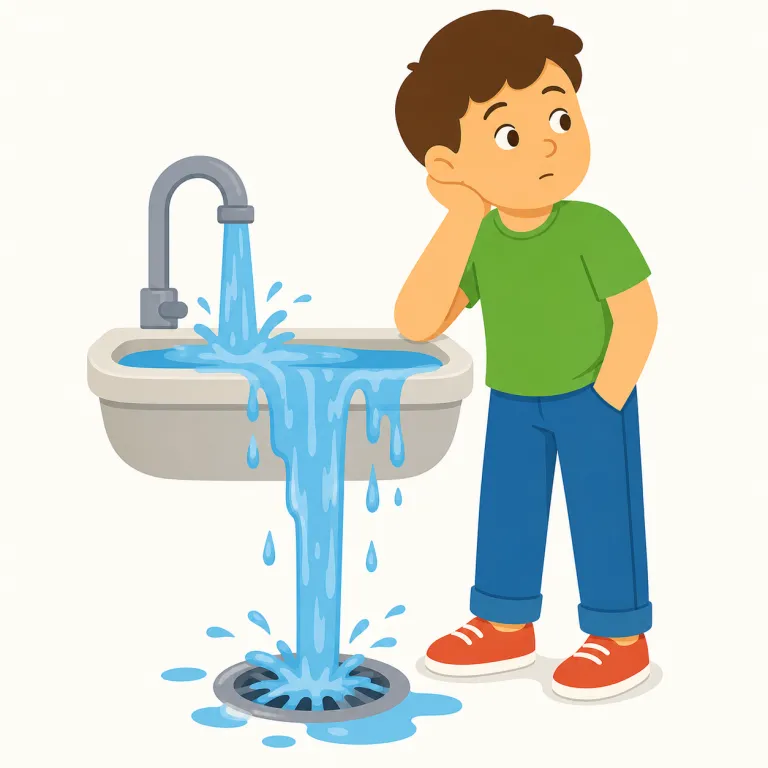
解説 Definition
必要な価値を生まずに、時間・お金・労力・資源などが費やされることを表す名詞。よく a waste of time や a waste of money の形で使い、「しても意味が薄い」「もったいない」という否定的な評価を含む。個人の行動にも、予算や工程の無駄にも使える。
The use of time, money, effort, or resources without producing enough value or benefit. This noun expresses a negative judgment that something useful has been spent unnecessarily.
覚え方のコツ Memory Tip
まず a waste of time / money の形で、「使ったのに価値が出なかったもの」と覚えると定着しやすいです。時間・お金・労力が空回りして、結果として「もったいない」と評価されるのが名詞の waste「無駄、浪費」。industrial waste のような「廃棄物」は、使い道を失った物という別方向の意味なので、抽象的に損をした感じなら「無駄」と切り分けると混乱しません。
Learn a waste of time and a waste of money as complete phrases. Picture spending hours or paying for something and getting nothing worthwhile in return. That feeling of having used something valuable for too little benefit captures this noun sense.
例文
This game is a waste of time.
このゲームは時間の無駄だ。
That toy was a waste of money.
あのおもちゃはお金の無駄だった。
That was a waste of food.
あれは食べ物の無駄だった。
waste の類義語・関連語
類義語
waste の語源・成り立ち Etymology
waste は古フランス語 wast を経てラテン語 vastus「空っぽの・荒れた」にさかのぼります。vast や devastate も同根で、中身が失われて荒れ地のようになるイメージから、「無駄」や「浪費」の感覚が生まれた語です。
"Waste" comes through Old French from Latin "vastus," meaning "empty," "desolate," or "laid bare." It first carried the idea of land left empty or ruined. From that image of loss and emptiness, it developed into the sense of useless loss, excess, or careless use. English words like "vast" and "devastate" come from the same root.
同じレベルの語彙をもっと
英検4級の一覧へ →外部辞書で調べる
この英単語をクイズで覚えよう