不毛な領域、見るべきもののない場所
noun 名詞文化・娯楽・思想などに価値あるものがほとんどない場所や分野を比喩的に指します。a cultural wasteland のように用い、土地そのものではなく、内容や活気の乏しさを強調します。
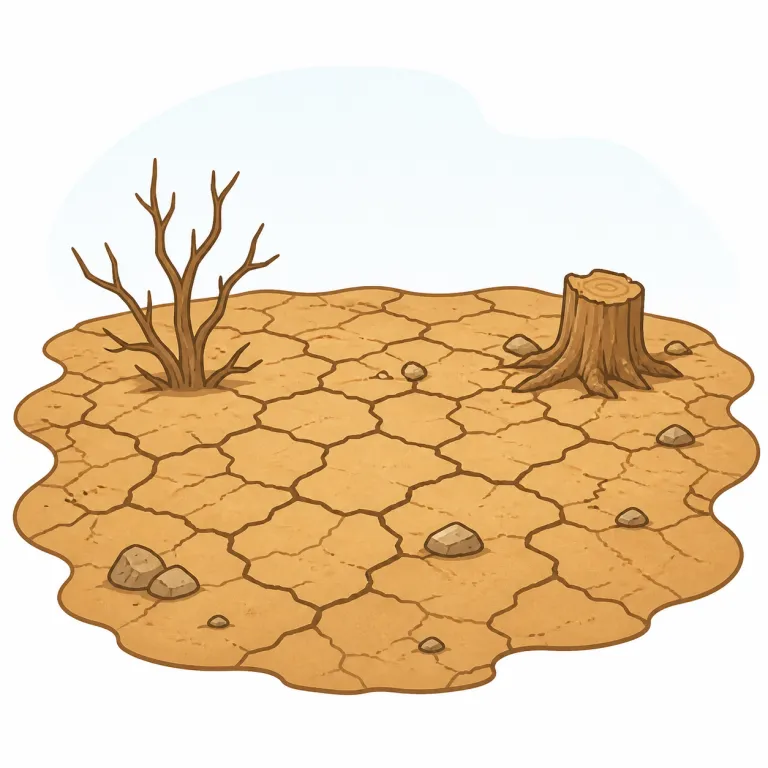
荒れ地とは、不毛で、何も生えていない、または荒廃した土地を指します。通常、自然災害や人間の影響により、生命が少なく、耕作不可能な地域です。
A wasteland is an area of land that is empty, damaged, or not useful for growing or building. It can describe places harmed by war, pollution, or natural conditions. The word is also used figuratively for something that feels hopeless or lifeless.
land はそのまま「土地」。waste を「無駄」「役に立たない」と知っていれば、wasteland はまず「使いものにならなくなった土地」と分解して覚えられます。desert が地理的な「砂漠」を指しやすいのに対し、wasteland は砂地に限らず、戦争・汚染・放置で荒廃した土地にも広く使えます。wilderness が自然のままの原野であるのと対照的に、wasteland は生命感も価値も失われた景色。post-apocalyptic wasteland や nuclear wasteland のような共起表現ごと覚えると定着しやすいです。
Split it into `waste` + `land`. That gives the image of land that has become useless, damaged, or empty. It is broader than `desert`, because a `wasteland` can come from war, pollution, or neglect, not only from dry nature.
After the war, much of the countryside became a wasteland.
戦争後、田舎の大部分は荒れ地になりました。
The abandoned factory zone had turned into a barren wasteland.
放棄された工場地帯は荒涼とした荒れ地に変わっていました。
They planted trees in the wasteland to restore the ecosystem.
彼らは生態系を回復させるために荒れ地に木を植えました。
文脈によって、次の意味でも使われます。
文化・娯楽・思想などに価値あるものがほとんどない場所や分野を比喩的に指します。a cultural wasteland のように用い、土地そのものではなく、内容や活気の乏しさを強調します。
wasteland は waste「荒れた、むだな」+ land で、waste は古フランス語を経てラテン語 vastus「空虚な、荒涼とした」にさかのぼります。つまり原義は「中身を失った土地」です。vast や devastate も同根で、「荒れ果てた広がり」が核だと分かります。
Wasteland is made from waste and land. Waste came through Old French from Latin vastus, meaning "empty," "desolate," or "laid bare." The original picture was land left empty or ruined, which developed into the idea of a barren, damaged area. Related words include vast and devastate.
この英単語をクイズで覚えよう