不遇、孤立した状態
noun 名詞政治家や組織などが権力や世間の注目から遠ざかり、影響力を失っている状態を比喩的に表す。特にin the political wildernessやyears in the wildernessなどの形で用いられる。
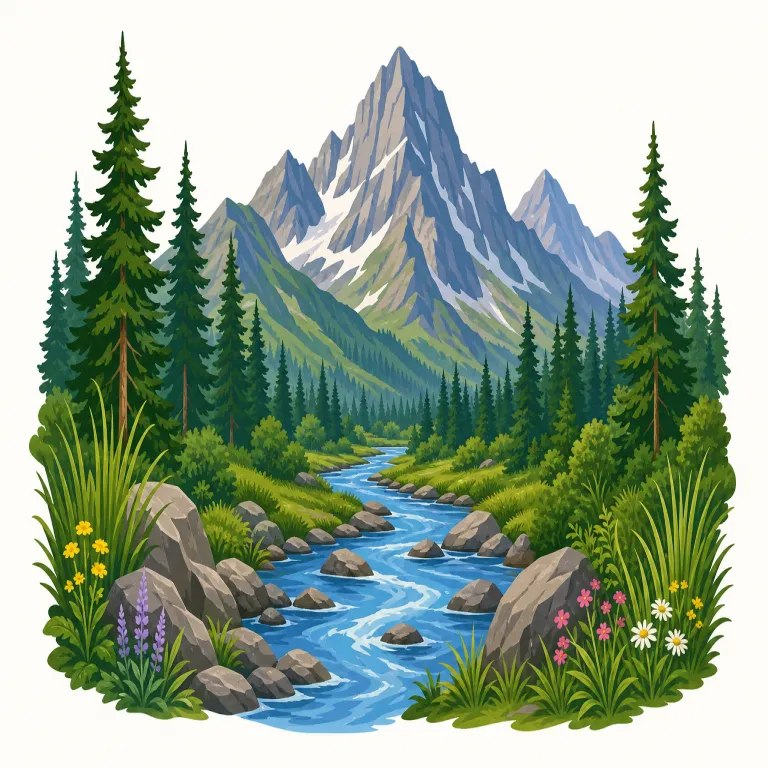
wilderness は英検準1級レベルの英単語で、「荒野」という意味があります。発音記号は /ˈwɪldɚnɪs/ です。
人間の居住が少なく、自然が支配している広大な地域。山地、砂漠、森林など、開発されていない地区を指します。
Wilderness is a large natural area that has few or no people, buildings, or roads. It often refers to wild land such as forests, mountains, or desert areas that remain undeveloped.
wild を知っていれば中心はすぐ取れる語。-ness は「状態・性質」を名詞化する定番なので、wilderness は「wild な状態の土地」→人の手がほとんど入っていない自然の広がりとつなげると覚えやすい。forest より木に限らず、desert や mountain area も含められるのがポイント。in the wilderness で「荒野で」、wilderness area で保護自然地域。wildlife と混同せず、場所そのものを指す語として押さえる。
Use the base word `wild` as your anchor. The ending `-ness` often makes a noun for a state or condition, so `wilderness` is land in a wild state. Remember that it is about the place itself, not the animals, so do not mix it up with `wildlife`.
The explorers walked into the wilderness to find new animals.
探検家たちは新しい動物を探しに荒野へ入っていきました。
The national park protects the wilderness and its wildlife.
その国立公園は荒野とそこに生息する野生動物を保護しています。
Hiking in the wilderness offers a chance to escape from city life.
荒野でのハイキングは都会生活から離れる機会になります。
文脈によって、次の意味でも使われます。
政治家や組織などが権力や世間の注目から遠ざかり、影響力を失っている状態を比喩的に表す。特にin the political wildernessやyears in the wildernessなどの形で用いられる。
wilderness は古英語 wildeornes に由来し、wild「野生の」+ deor「獣」+ -ness「状態」から成る語です。もともとは「野生の獣がいる土地」で、そこから人の手の入らない荒野を表すようになりました。関連語は wild, deer です。
Wilderness comes from Old English wildeornes, formed from wild, deor meaning "animal" or "beast," and -ness. It originally meant a place of wild beasts. From that, it developed into the broader idea of uncultivated land far from human control.
この英単語をクイズで覚えよう