林立するもの、密集
noun 名詞木のように多数の物が立ち並び、広い場所を埋めている状態を比喩的に表します。a forest of antennasやa forest of raised handsのように用い、実際の樹木ではなく、密集した物の集まりを指します。
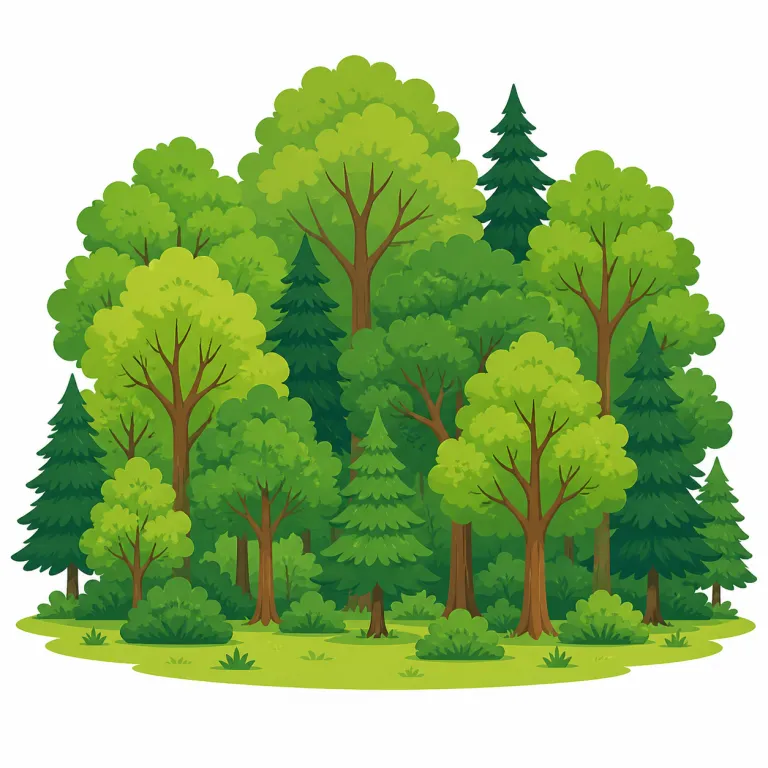
forest はTOEIC 600レベルの英単語で、「森」という意味があります。発音記号は /ˈfɔːrɪst/ です。
多くの木や植物で覆われた広い地域を指します。さまざまな動物や植物が暮らす自然の場所です。
A forest is a large area of land covered mainly with trees and other plants. It is a natural place where many animals and plants live. The word is commonly used in geography, nature, and environmental topics.
1本の木は tree、その木が広い範囲にまとまって生えている場所は forest。木材を表す wood とも結びつけ、木・材料・場所の違いで整理しましょう。
A tree is one plant; a forest is a large area full of trees. Connect wood with the material and forest with the place.
The forest is very quiet.
その森はとても静かです。
Birds live in the forest.
鳥は森に住んでいます。
We walk in the forest.
私たちは森を歩きます。
この語をはじめて出題された 35人 のうち 33人 が正解しました(94%)。
えいたんごクイズの回答から集計した独自データです。1人につき最初に出題されたときの1回だけを数えており、復習や2回目以降の回答、「わからない」と時間切れは含みません。 集計時点は 2026年9月19日 です。
文脈によって、次の意味でも使われます。
木のように多数の物が立ち並び、広い場所を埋めている状態を比喩的に表します。a forest of antennasやa forest of raised handsのように用い、実際の樹木ではなく、密集した物の集まりを指します。
ラテン語 forestis(silva)(外部の森)が語源で、foris(外に)から派生。王の狩猟用に囲われた「城外の林地」を指した。関連語:foreign(外国の)、forum(公共の広場=戸外)。「外の土地」が森の意味になった。
From Latin forestis, used for land outside the main settlement, and later for wooded land set apart for royal hunting. It entered English through French and gradually came to mean a large area covered with trees in general. The deeper root is linked to foris, meaning "outside," also seen in foreign.
この英単語をクイズで覚えよう