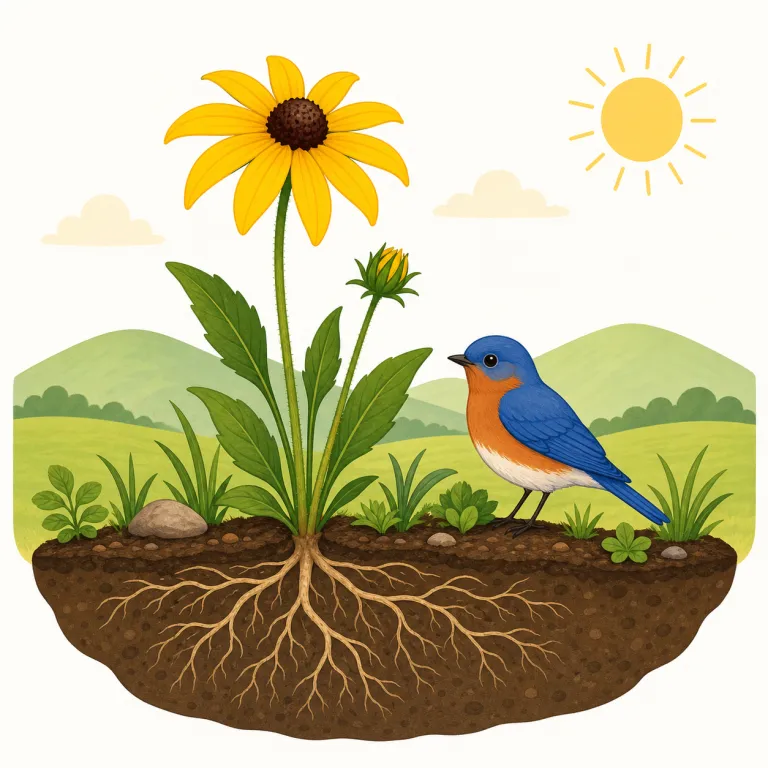
native
native はTOEIC 600レベルの英単語で、「その土地の、原産の、母語の、その土地の出身者」という意味があります。発音記号は /ˈneɪtɪv/ です。
その土地の、原産の、母語の
/ noun 名詞 その土地の出身者
解説 Definition
ある土地に生まれ育ってその土地に元から属していること、また植物や動物がその地域を本来の生息地・原産地としていることを表す形容詞。言語については、幼い頃から自然に身につけた母語としてのという意味でも使われる。
Native describes something that belongs naturally to a particular place or has existed there from the beginning. It is also used for a person's first language or country by birth. The exact meaning depends on the context.
覚え方のコツ Memory Tip
まず "native speaker" を核に覚えると広がります。native は「その場所・言語に最初から属している」感覚で、後から慣れた fluent とは違い、子どもの頃から自然に身についたニュアンスがあります。生き物なら "native plant/species"、場所なら "be native to A" が定番。local は「その土地で見られる」だけでも言えますが、native は「もともとそこ由来」という点が強い、と整理すると残りやすいです。
Start with the strong phrase `native speaker`. `Native` has the feeling of belonging from the beginning, not something learned later. Also remember patterns like `be native to` and compare it with `local`: `local` is in a place, but `native` comes from that place.
例文
This is a native plant.
これはその土地の植物です。
She speaks her native language.
彼女は母語を話します。
Native flowers grow here.
その土地の花がここで育ちます。
えいたんごクイズでの正答率
この語をはじめて出題された 41人 のうち 40人 が正解しました(98%)。
えいたんごクイズの回答から集計した独自データです。1人につき最初に出題されたときの1回だけを数えており、復習や2回目以降の回答、「わからない」と時間切れは含みません。 集計時点は 2026年9月19日 です。
native の類義語・関連語
native の語源・成り立ち Etymology
native はラテン語 nativus(生まれつきの)にさかのぼり、語根は nasci(生まれる)です。「その土地に生まれた人」がそのまま名詞化して「先住民・土地の人」の意味になりました。関連語は nation, natal で、どちらも「生まれる」の発想を共有します。
Native comes from Latin nativus, meaning "inborn" or "by birth," from nasci, "to be born." The idea first was someone or something belonging to a place by birth. Related words like nation and natal share the same root of birth.
同じレベルの語彙をもっと
TOEIC 600の一覧へ →外部辞書で調べる
この英単語をクイズで覚えよう