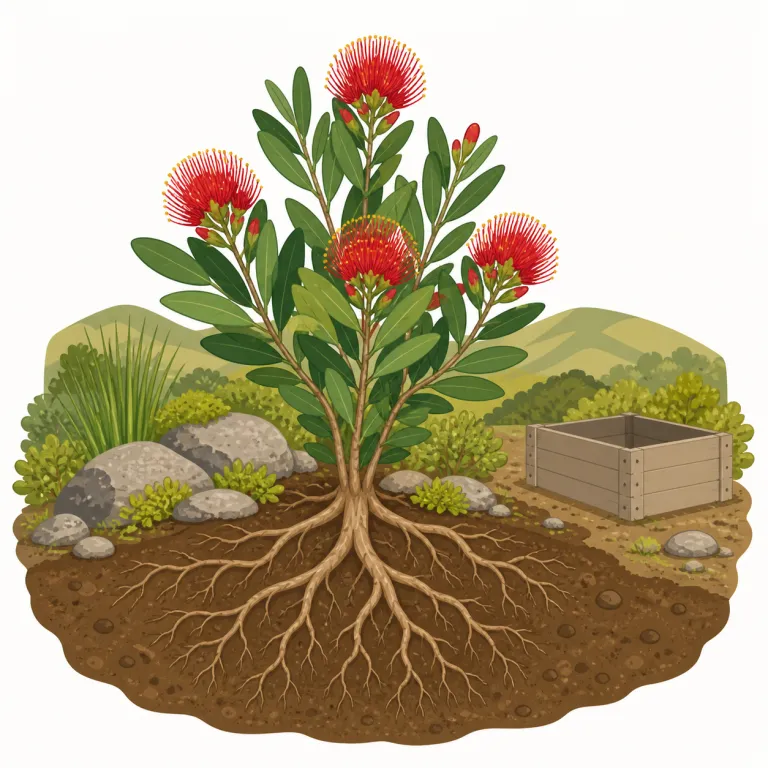
意味一覧 (2件)
固有の,原産の
解説 Definition
この語は、ある地域に自然にもともと存在し、外から持ち込まれたのではない動植物・文化・知識などについて使う。環境や歴史、地域文化の説明でよく見られ、その土地との結びつきの強さを表す。
Describes people, plants, animals, cultures, or knowledge that originated naturally in a particular region rather than being introduced from elsewhere. It often emphasizes a long-standing connection with that land.
覚え方のコツ Memory Tip
indigenous はまず indigenous people / culture / language のまとまりで覚えると定着しやすい語。ニュース、歴史、環境の文脈で「その土地に昔から根づく」という場面に出やすく、単なる local(地元の)より、歴史的な継続や先祖代々の結びつきが強い。植物や動物にも使え、indigenous species なら「外から入ったのでなく、その土地にもともといる種」。in- で始まる見た目に引っぱられて individual などと混同しないこと。native に近いが、先住民・先住文化をやや正式に述べる語として押さえるとよい。
Learn it in phrases such as "indigenous people," "indigenous culture," and "indigenous species." It is more specific than "local" because it emphasizes original presence or deep historical roots in a place.
例文
This island is home to several indigenous plants.
この島にはこの土地原産の植物がいくつか生育している。
The festival features indigenous music and crafts.
その祭りではその土地に根ざした音楽や工芸が紹介される。
Scientists are studying fish indigenous to the lake.
科学者たちはその湖に固有の魚を調べている。
先住民族の
(意味 2)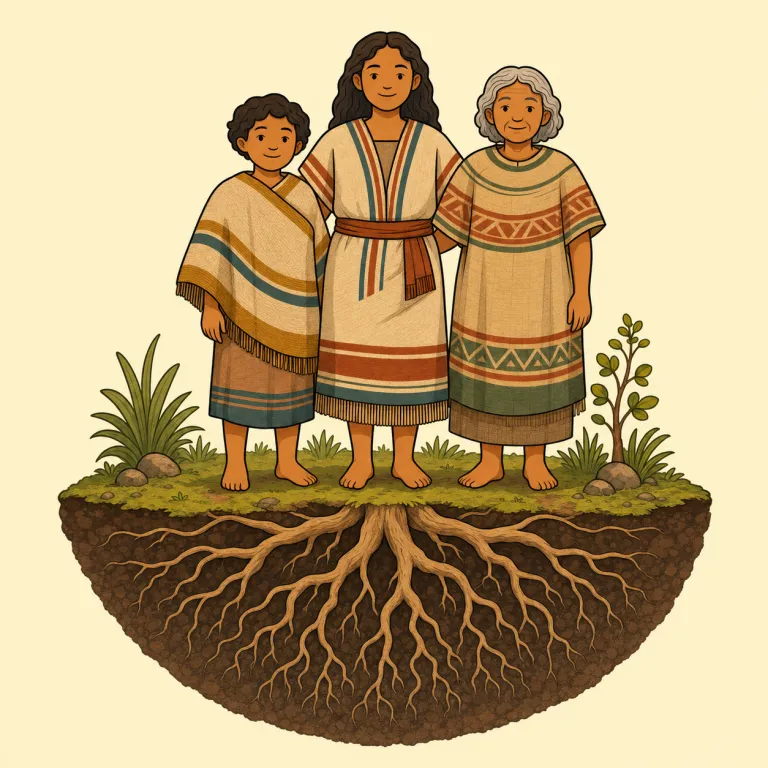
解説 Definition
ある地域や国に昔から住んでいる民族や人々を指します。先祖から受け継がれた土地や文化を持つ人たちのことです。
Indigenous means originally belonging to a particular place. It is often used for people, languages, plants, or animals that have existed in an area for a very long time. The word is common in history, culture, and environmental topics.
例文
The indigenous people of Australia have a rich cultural heritage.
オーストラリアの先住民は豊かな文化遺産を持っています。
Indigenous languages are important to preserve.
先住民の言語を保存することは重要です。
Many indigenous communities face challenges accessing education.
多くの先住民コミュニティは教育へのアクセスで課題に直面しています。
indigenous の類義語・関連語
indigenous の語源・成り立ち Etymology
ラテン語 indigenous に由来し、indu-「内に」+gignere「生む」から成る。『土地の内から生まれた』が原義で、その地にもともと根づく人々や動植物を指して「先住の」という意味になった。関連語は generate, genus。
The source traces indigenous to the Latin elements indu-, meaning "within," and gignere, meaning "to produce or give birth." Together they suggest something born within and rooted in a particular land.
同じレベルの語彙をもっと
外部辞書で調べる
この英単語をクイズで覚えよう