土着の
解説 Definition
土着のは特定の地域に元々住んでいたことを意味します。その地に古くから根付いている、またはその土地固有であることを示します。
Autochthonous means native to a particular place and not brought from somewhere else. It is often used for people, languages, plants, animals, or cultural traditions. This is a formal word commonly seen in academic or scientific writing.
覚え方のコツ Memory Tip
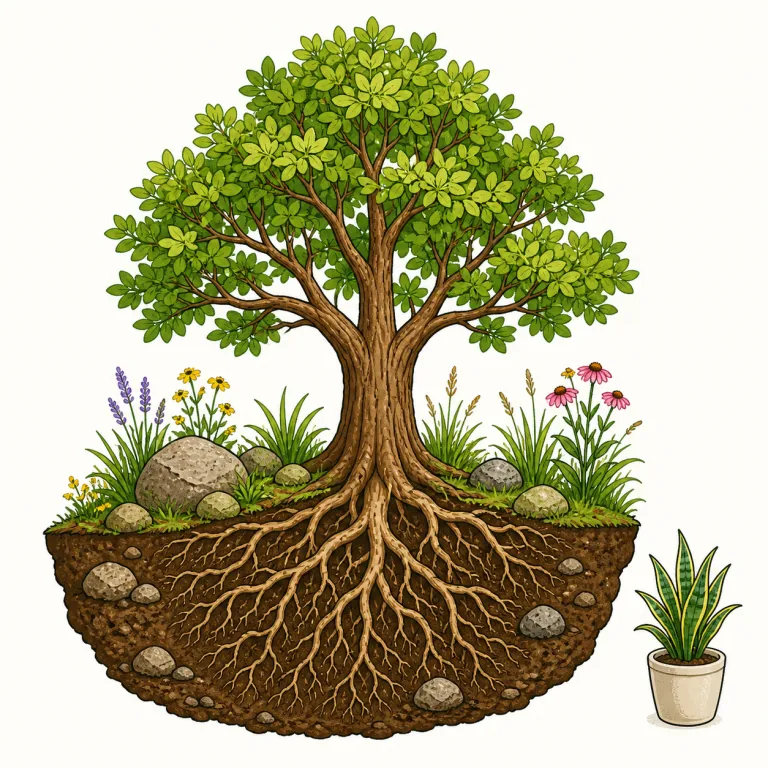
auto- は automatic の auto と同じで「自分で」。そこから「その土地が自分で生んだような存在」とイメージすると、外から来た imported の反対として覚えやすいです。意味は native / indigenous に近いですが、autochthonous はより学術的で、autochthonous species や autochthonous population のように、生物・民族・言語が「その地域にもともといる/ある」と述べる場面でよく出ます。つづりは chth の子音連続が難所なので、auto + chthonous の塊で見ると保持しやすいです。
Notice the prefix `auto-`, the same one you know from `automatic`, meaning 'self'. That can help you imagine something that belongs to the land itself, not brought from outside. This word is common in academic phrases like `autochthonous species`, so learn it as a formal alternative to `native` or `indigenous`.
例文
The autochthonous people of the island have preserved their unique culture.
その島の土着の人々は独自の文化を守ってきました。
Autochthonous plants thrive better in their native environment.
土着植物は本来の環境でよりよく育ちます。
Anthropologists study autochthonous traditions to understand human history.
人類学者は人類の歴史を理解するために土着の伝統を研究しています。
autochthonous の類義語・関連語
autochthonous の語源・成り立ち Etymology
autochthonous はギリシャ語 auto-「自己」+ chthon「大地」から成り、「土地そのものから生じた」が原義です。autochthon や chthonic も同根で、外から来たのでなく大地が産んだという像が、「土着の」という意味をはっきり支えています。
"Autochthonous" comes from Greek parts meaning "self" and "earth." Its original sense was "sprung from the land itself," not brought from elsewhere. That image developed into the modern idea of being native or indigenous to a place; related words include "autochthon" and "chthonic."
同じレベルの語彙をもっと
外部辞書で調べる
この英単語をクイズで覚えよう