
nation
nation は英検準2級・TOEIC 600レベルの英単語で、「国家、国民、民族」という意味があります。発音記号は /ˈneɪʃən/ です。
意味一覧 (3件)
国家
解説 Definition
国家とは、一定の領土と国民を持ち、主権によって統治される政治的な共同体を指す名詞です。政府や法律、文化的なアイデンティティを共有する人々の集まりであり、国際社会における基本的な単位となっています。ネーションは民族的・文化的なまとまりを強調する場合にも使われます。
A nation is a country, especially when thinking about its people, government, and shared identity. It is often used in politics, history, and international relations. The word can also suggest a group of people connected by culture, language, or tradition.
覚え方のコツ Memory Tip
nation は national, international, nationality などの中心にある基本語として、語族ごとまとめて覚えると定着しやすいです。ニュースでは the nation, nation-state, developing nations, the United Nations のようによく出るので、「国土だけでなく国民を含むまとまり」としてつかむのがコツ。country は地理的な『国』、state は制度や政府の側面が強まりやすく、nation は『一つの共同体としての国家・国民』を意識すると区別しやすくなります。
Learn `nation` as the center of a word family: `national`, `international`, `nationality`. It often appears in news phrases like `the nation`, `developing nations`, and `the United Nations`. To remember the difference, think `country` = place, `state` = system, `nation` = people as one community.
例文
This nation has a flag.
この国家には旗がある。
A nation has people and land.
国家には人々と土地がある。
Each nation has its own government.
それぞれの国家には独自の政府がある。
えいたんごクイズでの正答率
この語をはじめて出題された 43人 のうち 35人 が正解しました(81%)。
えいたんごクイズの回答から集計した独自データです。1人につき最初に出題されたときの1回だけを数えており、復習や2回目以降の回答、「わからない」と時間切れは含みません。 集計時点は 2026年9月19日 です。
国民
(意味 2)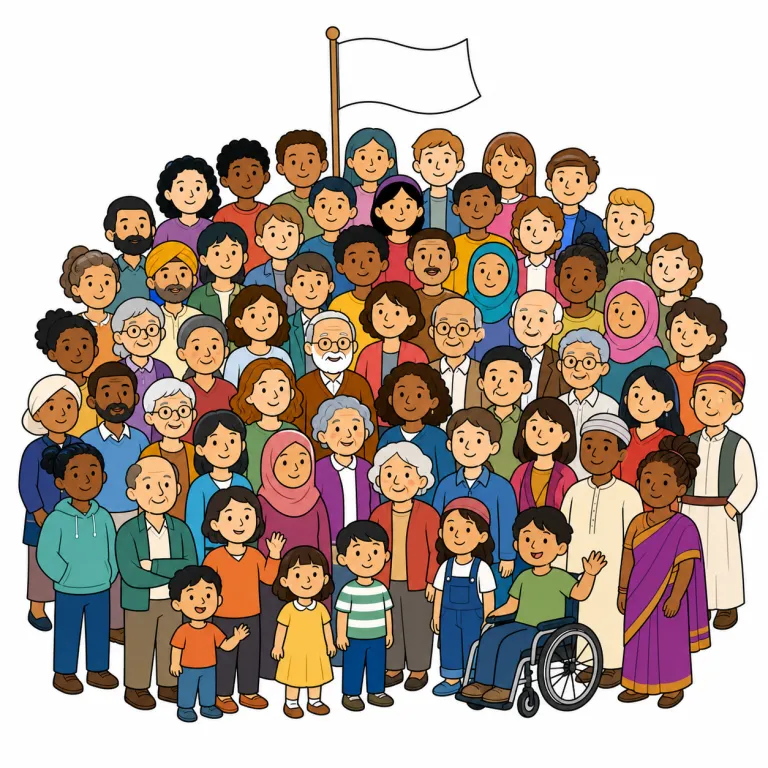
解説 Definition
nation が「国家という仕組み」ではなく、その国を構成する人々全体を指す語義。政治・歴史・報道で、政府そのものではなく、国民の意思や感情、生活をひとまとめにして述べるときによく使う。国土や体制より、人びとの集団としての側面に焦点がある。
All the people of a country considered together as one community. This sense is used when describing their shared feelings, wishes, or actions.
例文
The whole nation cheered for the team.
国民全体がそのチームを応援しました。
The king spoke to the nation.
王は国民に語りかけました。
The nation worked together.
国民は力を合わせました。
民族
(意味 3)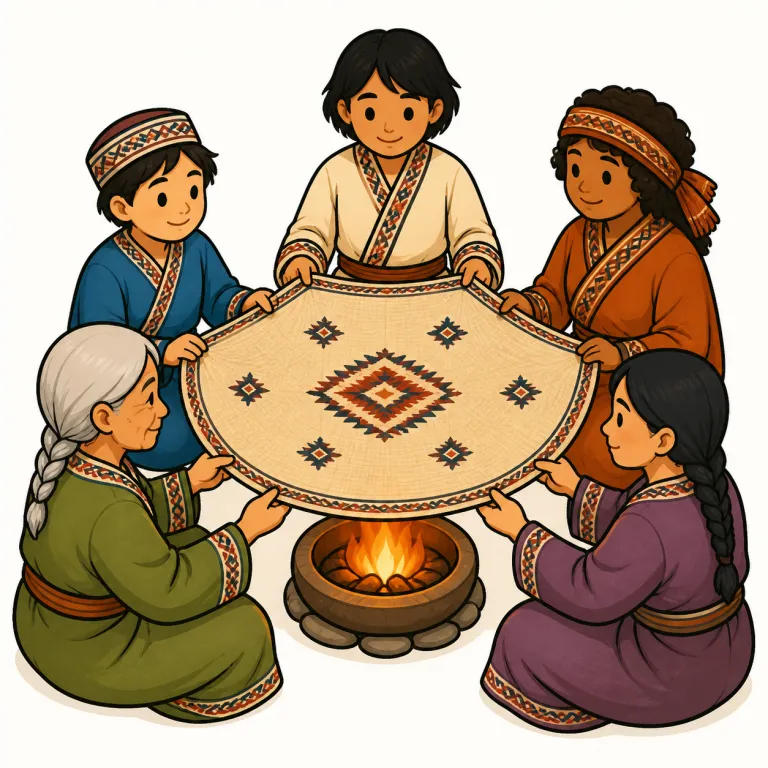
解説 Definition
nation が、共通の歴史・文化・言語・血縁意識などで結び付いた人々の集団を表す語義。現代国家の国境と一致しない場合もあり、歴史・人類学・民族問題を語る文脈で使われることが多い。政治的な国家より、文化的・歴史的なまとまりを意識する。
A community of people connected by a shared history, culture, language, or sense of ancestry. Its members may live across several countries rather than within a single country's borders.
覚え方のコツ Memory Tip
nation は「同じ歴史・文化・言語などを共有する人々のまとまり」と考えると、『民族』の意味がつかみやすいです。国境で区切られた country とは必ずしも同じでなく、別々の国に住んでいても一つの nation と見なされることがあります。the Cherokee nation のように、文化的・歴史的な共同体を指す例で覚えると、国家の意味と混同しにくくなります。
Picture people connected by shared traditions and history, even when they live on different sides of a border. This helps you remember nation as a cultural and historical community. A country marks a geographical or political unit, while this sense focuses on the people and their shared identity.
例文
Many nations live in this land.
この土地には多くの民族が暮らしています。
They are one nation with one language.
彼らは同じ言語で結ばれた一つの民族です。
This nation has its own language.
この民族には独自の言語があります。
nation の類義語・関連語
nation の語源・成り立ち Etymology
nation は古フランス語を経てラテン語 natio「生まれ」を受け継ぎ、語根は nasci「生まれる」です。nat- は birth の感覚を持ち、native や natal も同根なので、国家がもとは「同じ生まれの人々」のまとまりだったことが腑に落ちます。
Nation came through Old French from Latin natio, which first meant "birth" or "a group born from the same origin." Its root is Latin nasci, "to be born," also seen in native and natal. The meaning shifted from people of shared birth to a people, and then to a modern country or state.
同じレベルの語彙をもっと
英検準2級の一覧へ →外部辞書で調べる
この英単語をクイズで覚えよう