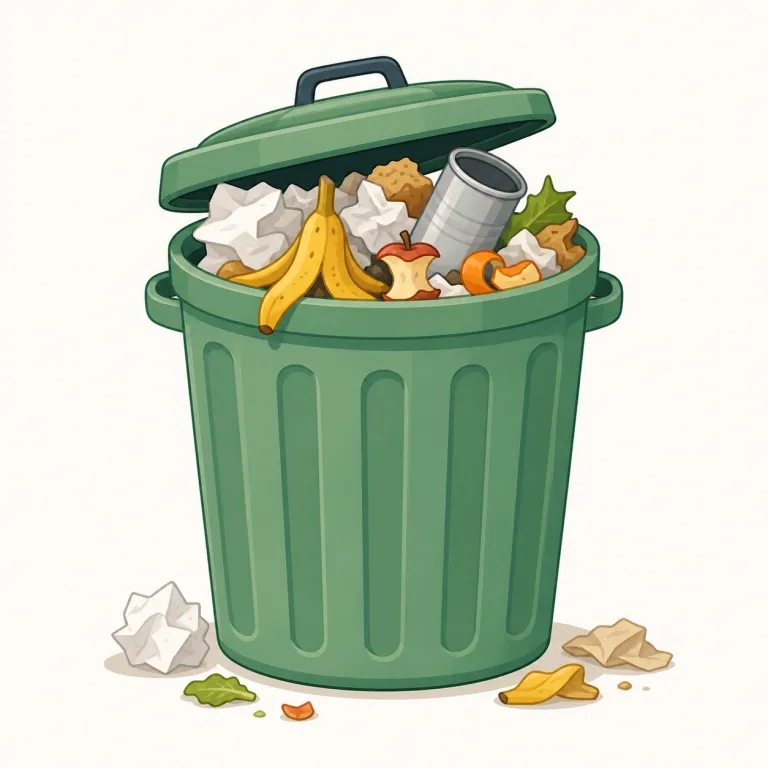
garbage
garbage は英検5級・英検6級レベルの英単語で、「ゴミ、たわごと」という意味があります。発音記号は /ˈɡɑːrbɪdʒ/ です。
意味一覧 (2件)
ゴミ
解説 Definition
不要になった物や廃棄する必要がある物のことです。日常生活で出るゴミを処理することは環境の保護に重要です。
Garbage means waste or things that are thrown away because they are no longer wanted or useful. It is commonly used for household waste and dirty things people put in a bin. In everyday American English, it is very common, and "trash" is also often used.
覚え方のコツ Memory Tip
garbage は、まず garbage can / garbage bag / take out the garbage / garbage truck のように、家の中や収集の場面ごと覚えると定着しやすい語です。単独で「ゴミ」と置くより、『家庭から出る捨てるもの』という映像で入れるのがコツ。waste は「無駄・廃棄物」まで含む広い語、trash も近い語ですが、garbage は特に生活ゴミ・台所ゴミの感じが出やすい、と並べておくと使い分けも一緒に覚えられます。
Remember `garbage` through everyday phrases like `garbage bag`, `garbage can`, and `take out the garbage`. This gives you a home scene, which is easier to remember than a single word alone. It also helps you separate it from broader words like `waste`.
例文
The garbage is in the bag.
ゴミは袋の中にあります。
Put the garbage in this box.
ゴミをこの箱に入れなさい。
This garbage smells bad.
このゴミはいやなにおいがします。
えいたんごクイズでの正答率
この語をはじめて出題された 56人 のうち 46人 が正解しました(82%)。
えいたんごクイズの回答から集計した独自データです。1人につき最初に出題されたときの1回だけを数えており、復習や2回目以降の回答、「わからない」と時間切れは含みません。 集計時点は 2026年9月19日 です。
たわごと
(意味 2)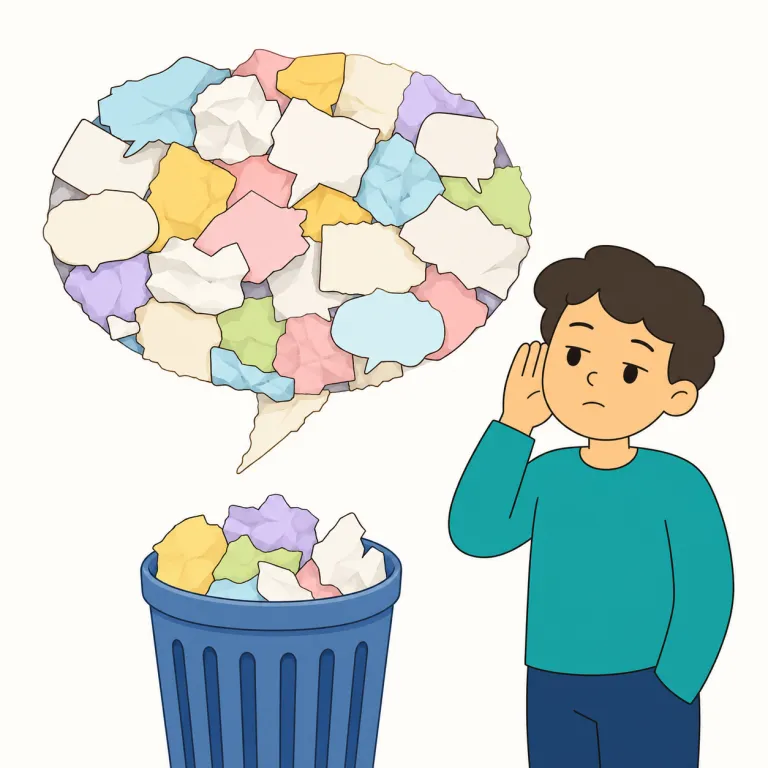
解説 Definition
人の発言や文章、番組内容などを「くだらない」「中身がない」と強く切り捨てる名詞。実際のゴミを指すのではなく、質の低さやでたらめさを非難するときに使う。かなりぞんざいで攻撃的な響きがあるため、会話では口調に注意が必要。
Statements, writing, or entertainment dismissed as worthless, foolish, or completely untrue. This informal noun expresses strong criticism and can sound rude or aggressive.
覚え方のコツ Memory Tip
garbage は、発言や記事をゴミ箱に投げ捨てる映像で覚えると定着しやすい語です。Don't believe it; it's garbage. のように、中身がない、でたらめだ、と強く切り捨てる場面で使います。garbage can や take out the garbage は実際の生活ゴミですが、この語義では idea, article, rumor などを“読む価値のないゴミ”として扱う比喩。かなりぞんざいなので、批判の強さも一緒に覚えると使い分けやすいです。
Picture throwing an article into a bin because you think its contents are worthless or false. Remember Don't believe it; it's garbage, including the strong, dismissive tone.
例文
Don't believe that article; it's complete garbage.
あの記事を信じるな。まったくのたわごとだ。
He said the rumor was garbage and walked away.
彼はそのうわさはたわごとだと言って立ち去った。
Most of what they post online is garbage.
彼らがネットに投稿するものの大半はたわごとだ。
garbage の類義語・関連語
類義語
garbage の語源・成り立ち Etymology
garbage は中英語・英仏語 garbage に由来し、もとは鶏の内臓など「捨てるくず肉」を指した語です。はっきりした接頭辞はなく、-age は名詞語尾。garbage can や garbage collector を見ると、台所くずからあらゆる廃棄物へ広がった語だとつかめます。
"Garbage" came through Middle English and Anglo-French, where it first meant waste parts of an animal, especially kitchen scraps like offal. Later, its meaning widened from thrown-away meat to waste of all kinds. The ending "-age" is a common noun ending, and modern phrases like "garbage can" reflect that broader sense.
同じレベルの語彙をもっと
英検5級の一覧へ →外部辞書で調べる
この英単語をクイズで覚えよう