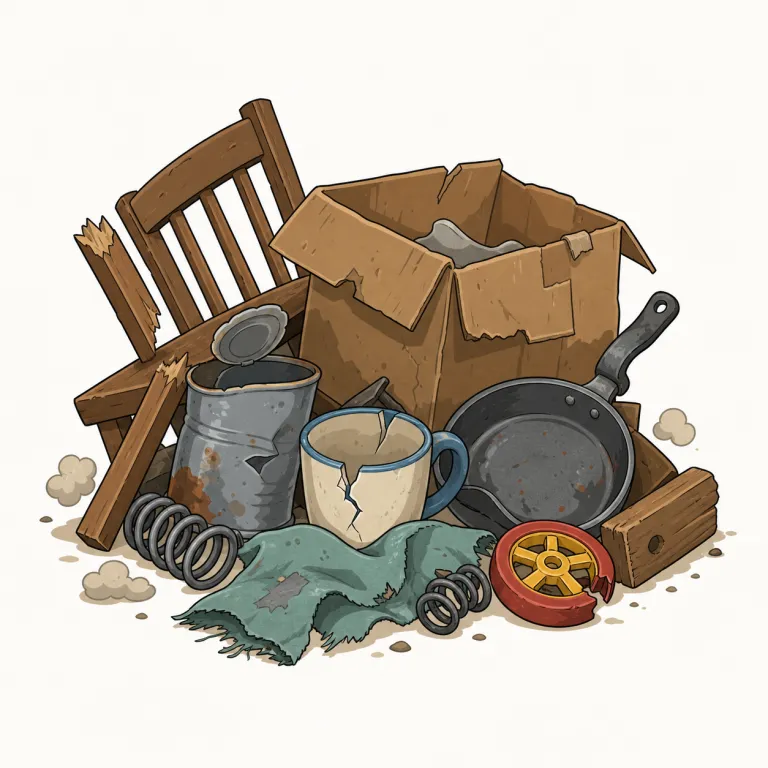
junk
junk はTOEIC 600レベルの英単語で、「がらくた、くず、中国の帆船」という意味があります。発音記号は /ˈdʒʌŋk/ です。
意味一覧 (2件)
がらくた、くず
解説 Definition
役に立たない古い物や、価値の低い品物、捨てられるような雑多な物を指す名詞。壊れた機械や不要品、質の悪い商品などについて使われ、日常会話では「くだらない物事」や「駄作」のように軽くけなす意味で使われることもある。
Junk means old, broken, or useless things that have little value. It is often used for unwanted objects in a room, house, or storage area. The word can also suggest something of poor quality.
覚え方のコツ Memory Tip
junk はまず junk food・junk mail・junk shop などの定番表現をセットで覚えると残りやすいです。共通する芯は「質が低い・不要・がらくた」。food なら栄養より手軽さ優先の安っぽい食べ物、mail なら迷惑メール。trash / garbage が単なる「ごみ」なのに対し、junk は「まだ物の形はあるが、古い・雑多で価値がない物」に寄りやすい語です。a garage full of junk のように物置の不要品を思い浮かべると定着しやすく、This is junk. なら物にも作品にも「駄目だね」と軽く切れます。
Remember `junk` through common pairs: `junk food`, `junk mail`, and `junk shop`. In all of them, the core feeling is "low-quality or unwanted stuff." It is closer to old, useless things than to simple `trash` or `garbage`.
例文
Don't keep all that junk in the garage.
そんながらくたを全部ガレージに置いたままにしないで。
This store sells used furniture, antiques, and sometimes pure junk.
この店では中古家具や骨董品のほかに、ただのくず同然の品まで売っている。
We sorted out the junk from the useful tools.
私たちは使える工具からがらくたをより分けた。
中国の帆船
(意味 2)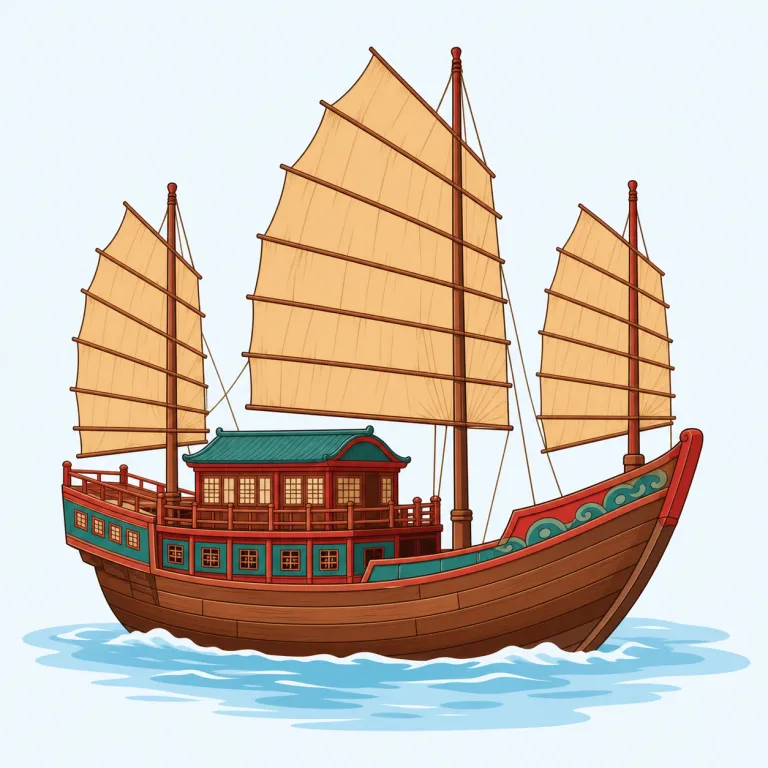
解説 Definition
ジャンク船は、中国の伝統的な帆船で、独特の平底の船体と張り出した帆が特徴です。何千年も前からアジアの沿岸地域での貿易や輸送に用いられてきました。
A junk is a traditional Chinese sailing boat with a flat bottom and large sails. It is mainly used when talking about Asian history, trade, or old-style ships. This meaning is different from the more common word junk meaning unwanted things.
覚え方のコツ Memory Tip
まず、ふだんの junk=「がらくた」と完全に切り離して覚えるのが最優先です。船の意味では、単語単体よりも a Chinese junk、junk ship、junk rig のような形で見たほうが定着します。英語では clipper や schooner のように、短い語がそのまま船種名になるので、その仲間として覚えると整理しやすいです。中国の港、沿岸交易、横に広がる帆のイメージと結びつけると、junk food や junk mail の junk と混同しにくくなります。
Separate this completely from everyday "junk" like junk food or junk mail. For the ship meaning, remember it in phrases such as "a Chinese junk" or "junk ship," not by itself. Think of it like other short ship names such as "clipper" or "schooner," and connect it with old Chinese coastal trade and wide sails.
例文
The ancient junk sailed across the Asian seas.
古代のジャンク船はアジアの海を航海しました。
The junk sailed safely through the storm.
ジャンク船は嵐の中を無事に進みました。
Traditional junks are still used for tourism.
伝統的なジャンク船は今でも観光用に使われています。
junk の類義語・関連語
類義語
junk の語源・成り立ち Etymology
中英語 jonk(古い船のロープ)に由来し、元は船で使い古された綱や索具を指した。ポルトガル語 junco(アジアの帆船)との関連も指摘される。関連語に junkyard(廃品置場)がある。「船の古縄」から転じて「役に立たないもの、がらくた」全般を意味するようになった。
"Junk" comes from Middle English jonk, which first meant old rope or worn-out ship tackle. It may also be connected with Portuguese junco, a kind of Asian sailing ship. The idea moved from used-up things on a ship to useless old things in general, which gave English its modern sense.
同じレベルの語彙をもっと
TOEIC 600の一覧へ →外部辞書で調べる
この英単語をクイズで覚えよう