cause
cause は英検準2級・TOEIC 600レベルの英単語で、「原因、引き起こす」という意味があります。発音記号は /ˈkɔːz/ です。
意味一覧 (2件)
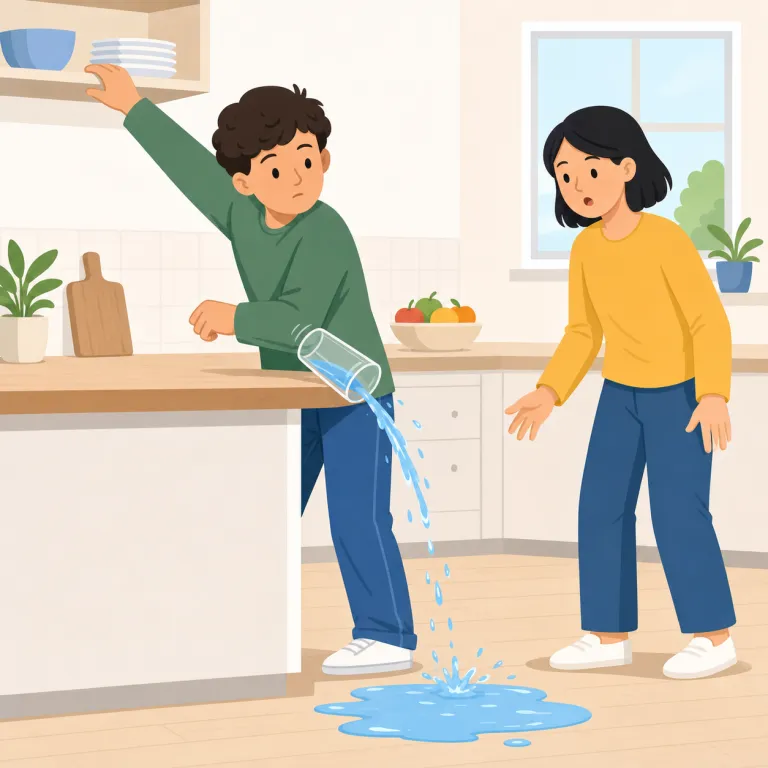
原因
解説 Definition
名詞の cause は、ある出来事や問題を生み出したもとになる事柄を表し、「原因」という意味で使う。事故・病気・失敗などの説明でよく用いられ、結果を引き起こした要因を客観的に示す語。the cause of ... の形で「〜の原因」と述べることが多い。
Something that makes an event or problem happen. This noun is often used when explaining what produced an accident, illness, or failure.
覚え方のコツ Memory Tip
cause は「結果を生み出したもと」を指す名詞です。床の氷で人が転ぶ絵を描き、転倒という結果から矢印を逆にたどった先の ice が cause だと考えると残ります。最重要の形は the cause of+結果で、the cause of the accident「事故の原因」、the cause of the disease「病気の原因」のように使います。reason は人の判断や行動の「理由」にも広く使えますが、cause は出来事を実際に引き起こす要因に重点がある、と押さえると混同しにくいです。
Picture someone slipping on ice, then follow an arrow backward from the fall to the ice: the ice is the cause. Remember the cause of followed by the result, as in the cause of the accident. Focus on what actually produced the event.
例文
Rain was the cause of our late start.
出発が遅れた原因は雨でした。
The cause is bad food.
原因は悪い食べ物です。
The cause of my fall was ice.
私が転んだ原因は氷でした。
えいたんごクイズでの正答率
この語をはじめて出題された 37人 のうち 29人 が正解しました(78%)。
えいたんごクイズの回答から集計した独自データです。1人につき最初に出題されたときの1回だけを数えており、復習や2回目以降の回答、「わからない」と時間切れは含みません。 集計時点は 2026年9月19日 です。
引き起こす
(意味 2)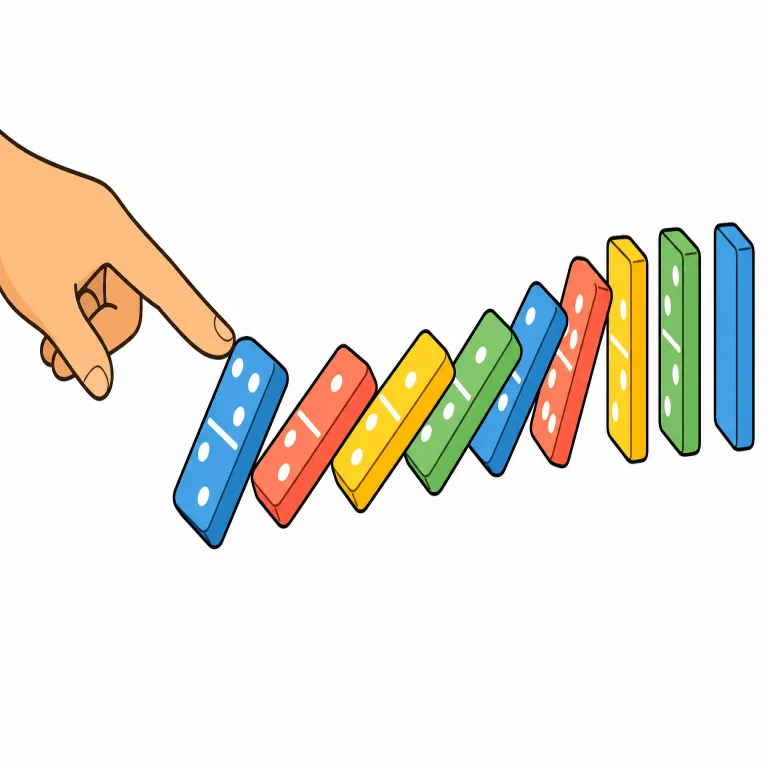
解説 Definition
ある出来事や行動が別の結果や状態を生じさせることを表す動詞です。人や物事が原因となって変化・問題・影響をもたらす場面で使われ、良い結果にも悪い結果にも使えますが、日常では特にトラブルや悪影響を述べる文脈でよく用いられます。
Cause means to make something happen, especially a result or change. It is often used for events, problems, feelings, or effects. The word is common in both everyday English and more formal explanations.
覚え方のコツ Memory Tip
まず cause and effect(原因と結果)をセットで覚えると、cause は『結果を生む側』だと定着します。because, causal も同じ仲間なので、『理由・原因』の核を共有する語としてまとめると忘れにくいです。使い方は cause a problem, cause damage, cause confusion のように、問題や悪影響を述べる場面が特に頻出。主語には storm, noise, stress のような出来事や要因が来やすく、make より硬め、happen と違って『原因があって何かを起こす』語です。
Link `cause` with `effect`: the cause is what makes something happen, and the effect is the result. Remember common patterns such as `cause a problem`, `cause damage`, and `cause confusion`. Unlike `happen`, `cause` has a subject that brings about the result.
例文
Rain causes many problems.
雨は多くの問題を引き起こします。
Fire causes black smoke.
火は黒い煙を発生させます。
This sound causes a headache.
この音は頭痛を引き起こします。
えいたんごクイズでの正答率
この語をはじめて出題された 50人 のうち 41人 が正解しました(82%)。
えいたんごクイズの回答から集計した独自データです。1人につき最初に出題されたときの1回だけを数えており、復習や2回目以降の回答、「わからない」と時間切れは含みません。 集計時点は 2026年9月19日 です。
cause の類義語・関連語
対義語
派生語
cause の語源・成り立ち Etymology
「cause」は古フランス語causeを経てラテン語causa「理由・訴訟」に由来します。接頭辞はなく、causalやbecauseが同根。もとは法廷で争う「案件・言い分」だった語が、物事を引き起こす「原因」へ広がったと考えると腑に落ちます。
The word comes through Old French cause from Latin causa, meaning a reason or a legal case. Causal and because are related words.
同じレベルの語彙をもっと
英検準2級の一覧へ →外部辞書で調べる
この英単語をクイズで覚えよう