糖衣で覆う、アイシングする
verb 動詞ケーキなどの表面を、砂糖を主材料とする甘いクリームや糖衣で覆うことを表します。ice a cakeのように目的語を取り、氷で冷やすという意味とは区別されます。
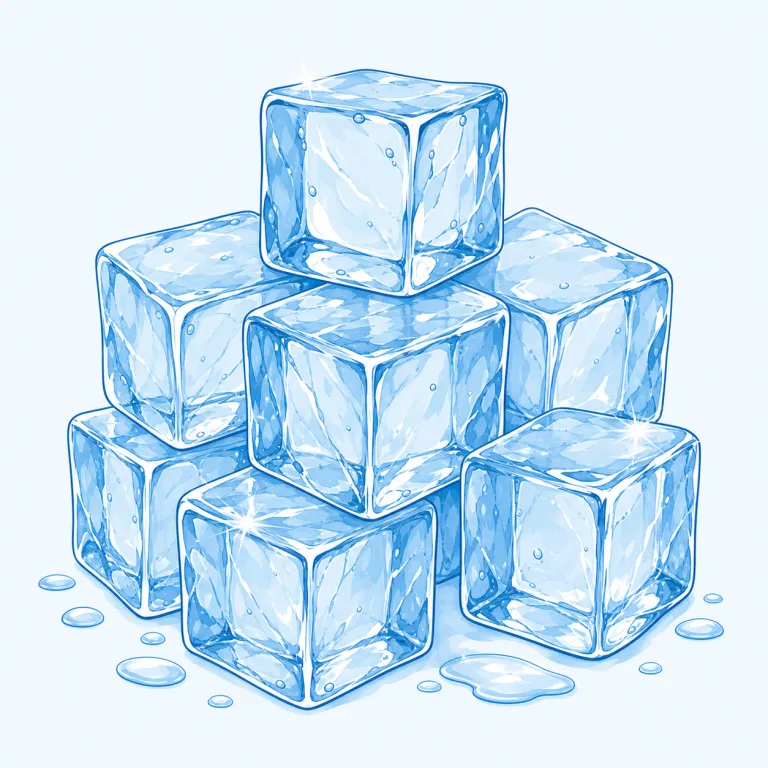
ice は英検4級レベルの英単語で、「氷」という意味があります。発音記号は /aɪs/ です。
「氷」とは、水が0度以下に冷却されて固体になったものを指します。自然界では冬に湖や川が凍ったり、冷凍庫で人工的に作ることができます。飲み物を冷やすため、スポーツの負傷処置、または芸術作品としても広く利用されます。
Ice is frozen water. It is common in cold weather, drinks, sports, and nature. The word can refer to natural ice outside or ice made in a freezer.
まず「ice=名詞の氷」を中心に置き、動作は freeze、凍った状態は frozen と分けて覚えると整理しやすいです。形容詞は icy で「氷のように冷たい」。ice cube, ice cream, ice water のように、ごく基本的な名詞の前について具体物を作る語だと意識すると定着します。cold は単に“寒い・冷たい”、ice はその結果できた“固まった水”という違いで場面ごとに結びつけると忘れにくいです。
Keep `ice` separate from related words: `freeze` is the action, `frozen` is the state, and `icy` is the adjective. `Ice` is the thing itself. It becomes easier to remember through common phrases like `ice cube`, `ice water`, and `ice cream`.
Ice is cold and hard.
氷は冷たくてかたい。
Put ice in the cup.
コップに氷を入れて。
The ice melts in the sun.
氷は太陽の下でとける。
この語をはじめて出題された 53人 のうち 52人 が正解しました(98%)。
えいたんごクイズの回答から集計した独自データです。1人につき最初に出題されたときの1回だけを数えており、復習や2回目以降の回答、「わからない」と時間切れは含みません。 集計時点は 2026年9月19日 です。
文脈によって、次の意味でも使われます。
ケーキなどの表面を、砂糖を主材料とする甘いクリームや糖衣で覆うことを表します。ice a cakeのように目的語を取り、氷で冷やすという意味とは区別されます。
ice は古英語 is にさかのぼるゲルマン系の古い語で、さらに印欧祖語では「凍るもの」を表す語根につながります。icy や icicle も同じ核を保っており、飾りのない短い形そのものに、凍って固まる感覚がそのまま封じ込められています。
"Ice" is a very old Germanic word, coming from Old English is. It goes back to an ancient Indo-European root linked with freezing. Related words like "icy" and "icicle" still keep the same basic idea of something frozen and hard.
この英単語をクイズで覚えよう