活力、元気、意欲
noun 名詞人が活動を続けるための体力や、物事に熱心に取り組む活力・意欲を表す。have the energy to do や full of energy の形で、疲労の有無や生き生きした様子を述べる。
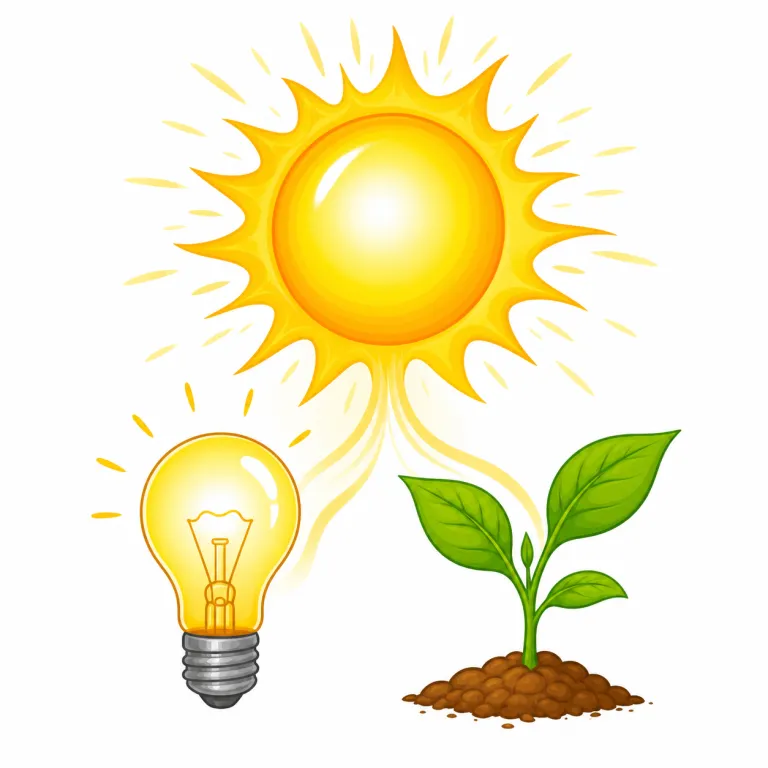
energy はTOEIC 860・TOEFL 80・IELTS 6.5レベルの英単語で、「エネルギー」という意味があります。発音記号は /ˈɛnɚdʒiː/ です。
物理学・工学的な意味における仕事をする能力、または電力・熱・光などの物理的なエネルギーのこと。石油・太陽光・電力などの資源として利用される力の総称でもある。現代社会の産業・生活・環境問題と密接に関わる概念である。
Energy is the power needed for physical action, movement, or activity. It can describe a person's strength and liveliness, or power from sources such as electricity, gas, or sunlight. The word is common in both everyday life and science.
energy はまず energetic(元気な)とセットで覚えると定着しやすい語です。「人に energy がある」なら活力、「solar energy / nuclear energy / clean energy」なら物理的・社会的なエネルギーで、文脈で両方に広がります。power が機械の出力や権力にも触れるのに対し、energy はもっと広く“動かすもとになる力”。save energy, energy crisis, renewable energy などの決まった組み合わせごと覚えると、ニュースでも理科でも同じ核の意味で読めます。
Connect `energy` with Greek `ergon`, meaning "work," also seen in `ergonomic`. Think of energy as the power that makes work or activity possible. For a person it can mean vitality; in science it is the capacity to do work.
The sun gives us energy.
太陽は私たちにエネルギーをくれる。
This car uses clean energy.
この車はクリーンなエネルギーを使う。
The town gets energy from the wind.
町は風からエネルギーを得ている。
この語をはじめて出題された 31人 のうち 31人 が正解しました(100%)。
えいたんごクイズの回答から集計した独自データです。1人につき最初に出題されたときの1回だけを数えており、復習や2回目以降の回答、「わからない」と時間切れは含みません。 集計時点は 2026年9月19日 です。
文脈によって、次の意味でも使われます。
人が活動を続けるための体力や、物事に熱心に取り組む活力・意欲を表す。have the energy to do や full of energy の形で、疲労の有無や生き生きした様子を述べる。
「energy」はギリシャ語 energeia に由来し、en-「中で」+ ergon「仕事」が骨格です。ergonomic や synergy に同じ erg- が見え、本来は「内部で仕事が起きている状態」なので、energy が単なる気分でなく「働かせる力」を指す理由が腑に落ちます。
Energy comes from Greek energeia, built from en, meaning "in," and ergon, meaning "work." Related forms appear in words like ergonomic and synergy. The original sense was "activity" or "working power," which later became the modern idea of force or power available for action.
この英単語をクイズで覚えよう