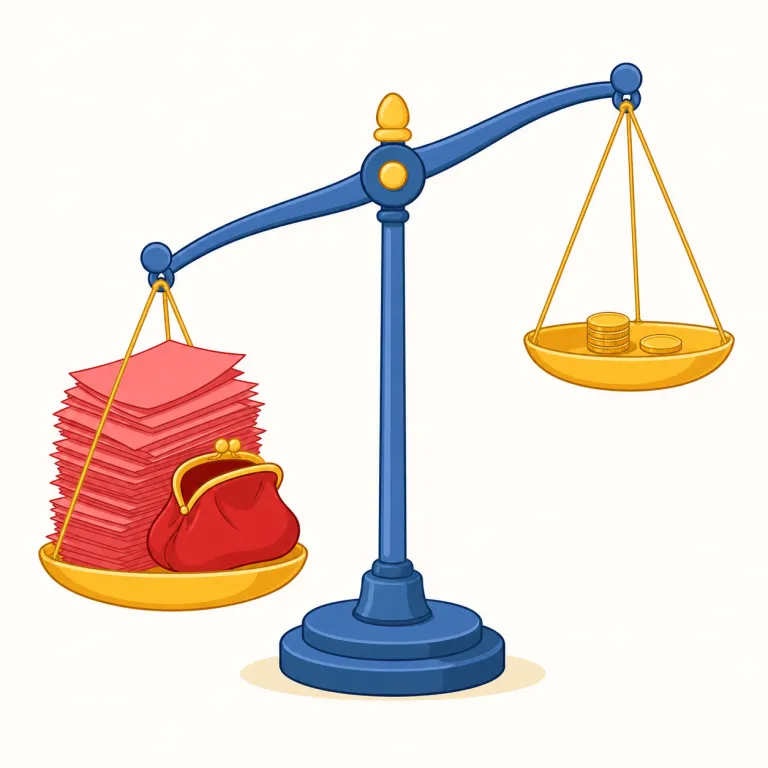
deficit
deficit は英検2級・TOEIC 860・TOEFL 80・IELTS 6.5レベルの英単語で、「赤字、不足」という意味があります。発音記号は /ˈdɛfɪsɪt/ です。
意味一覧 (2件)
赤字
解説 Definition
支出が収入より多い状態のことです。財政的に困難な状況を表します。
A deficit is the amount by which something is too small or less than what is needed. It is often used in finance when spending is greater than income, or when a government or company is losing money. The word can also be used more generally for a shortage.
覚え方のコツ Memory Tip
deficit は「足りていない状態を、数字や会計でとらえる語」と覚えると残りやすいです。deficient(不十分な)や defect(欠け・欠陥)を知っていれば、どれも “欠けている” 仲間。特に deficit は金額・数量の不足に出やすく、budget deficit(財政赤字)、trade deficit(貿易赤字)で頻出。debt が「借金そのもの」なのに対し、deficit は「収入より支出が多く、差し引きマイナスになっている状態」を指す、と区別すると混同しにくいです。
Connect `deficit` with other `lack` words like `defect` and `deficient`. It usually appears with numbers, money, or amounts, as in `budget deficit` or `trade deficit`. Keep it apart from `debt`: debt is money owed, while deficit is the negative gap when there is not enough.
例文
The company reported a deficit after the pandemic.
その会社はパンデミック後に赤字を報告した。
We must reduce spending to avoid a budget deficit.
予算の赤字を避けるために支出を減らさなければならない。
A trade deficit can weaken the national economy.
貿易赤字は国の経済を弱めることがある。
えいたんごクイズでの正答率
この語をはじめて出題された 60人 のうち 35人 が正解しました(58%)。
えいたんごクイズの回答から集計した独自データです。1人につき最初に出題されたときの1回だけを数えており、復習や2回目以降の回答、「わからない」と時間切れは含みません。 集計時点は 2026年9月19日 です。
不足
(意味 2)
解説 Definition
人や物、能力、数量などが必要な水準に足りていない状態を表す名詞。財政上の赤字だけでなく、睡眠不足、注意力の不足、資源不足のように、広い場面で「欠けている分」を指して使う。特定の機能や成績が基準より足りないという、やや客観的な響きがある。
A shortage measured against what is needed or expected. It can involve resources, staff, sleep, or an ability that falls below a required level.
例文
The report shows a deficit of trained staff in rural hospitals.
その報告書は、地方の病院で訓練を受けた職員が不足していることを示している。
Many regions face a water deficit during the dry season.
多くの地域は乾季に水不足に直面する。
Even a small attention deficit can affect learning.
注意力のわずかな不足でも学習に影響することがある。
deficit の類義語・関連語
deficit の語源・成り立ち Etymology
ラテン語 deficere(欠ける、不足する)の過去分詞 deficitus から。de-(離れて)+ facere(する・作る)で「やり遂げられない→不足」の意。関連語: deficient(不十分な)、defect(欠陥)。何かが「為されずに離れていく」から赤字・不足の意味になった。
`Deficit` comes from Latin `deficere`, meaning "to fail," "to fall short," or "to be lacking." It is built from `de-` and `facere`, meaning "to do" or "to make." The sense moved from something not being fully done or supplied to the idea of shortage or lack. Related English words include `deficient` and `defect`.
同じレベルの語彙をもっと
英検2級の一覧へ →外部辞書で調べる
この英単語をクイズで覚えよう