
意味一覧 (2件)
欠点、短所
解説 Definition
計画、提案、制度、物などを評価するときの欠点や不利な点を指す名詞。長所を表す merit と対比して、merits and demerits の形でもよく用いられる。規則違反に対する罰点の語義とは区別する。
A demerit is a fault, weakness, or disadvantage of a plan, proposal, system, object, or other subject being evaluated. It is often contrasted with a merit.
覚え方のコツ Memory Tip
demerit は、計画・提案・制度などを評価したときの「欠点・不利な点」を指す名詞である。長所の merit と対にして merits and demerits「長所と短所」と覚えるとよい。a demerit of the plan のように、何の欠点かを of で続けられるが、ここでは規則違反の罰点を意味しない。
Pair it with merit: a merit is a good point, while a demerit is a bad point. The phrase merits and demerits means advantages and disadvantages.
例文
One major demerit of the plan is its high implementation cost.
その計画の大きな欠点の一つは、実施費用が高いことだ。
The proposal has several demerits that require careful consideration.
その提案には慎重に検討すべき短所がいくつかある。
We compared the merits and demerits of each design.
私たちは各設計の長所と短所を比較した。
罰点
(意味 2)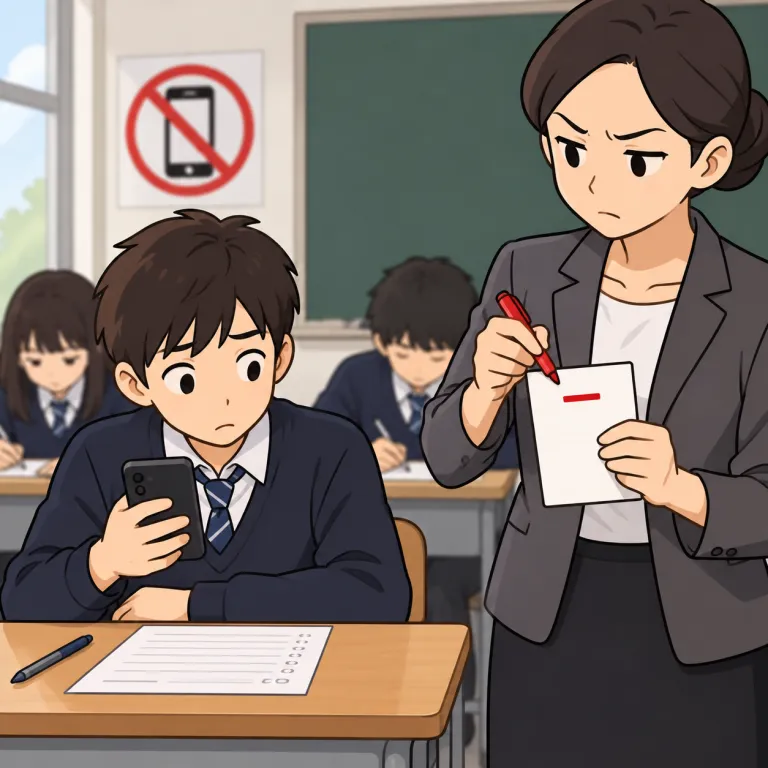
解説 Definition
学校、職場、組織などで、規則違反や不適切な行為の記録として科される罰点を指す名詞。抽象的な欠点ではなく、懲戒制度の中で付与される具体的なマイナス評価を表す。
A demerit is a mark or point recorded as a penalty for breaking a rule, especially in a school, workplace, military, or similar disciplinary system.
覚え方のコツ Memory Tip
merit「長所・功績」に対し、demerit は制度上のマイナス点を表す。receive a demerit for being late のように、学校や組織で遅刻・規則違反の記録として科される「罰点」を指す。単なる性格や製品の「欠点」ではなく、懲戒記録に残る具体的な点である。
Imagine a conduct record: a merit can count in someone’s favor, while a demerit is a penalty mark entered against them. This sense names a recorded sanction, not a general disadvantage.
例文
Students who break the rules receive demerits on their disciplinary records.
規則を破った生徒は、懲戒記録に罰点を科される。
He received a demerit for arriving late to inspection.
彼は点検に遅刻したことで罰点を受けた。
Three demerits may result in detention after school.
罰点が三つたまると、放課後の居残り処分になることがある。
demerit の類義語・関連語
demerit の語源・成り立ち Etymology
demerit は merit と同系で、歴史的にはラテン語 demereri「受けるに値する、身に招く」に関係する。英語では否定的な評価を受ける理由から、欠点や不利な点を表す名詞として定着した。
Demerit is related to merit and ultimately to Latin demereri, meaning “to deserve” or “bring upon oneself.” In English, it developed negative uses for something that counts against a person or thing.
同じレベルの語彙をもっと
外部辞書で調べる
この英単語をクイズで覚えよう